A well-made wrap usually gives up because it was neglected before it wore out from age. In shop work, how long does a vehicle wrap last depends more on sun, parking, wash habits, mileage, and film quality than on the calendar. A premium cast wrap on a personally driven vehicle often lasts about 5 to 7 years. Work vans and fleet trucks that sit outside and rack up miles every day are often closer to 3 to 5 years. That lines up with common industry guidance on vehicle wrap lifespan.
Last updated: May 2026
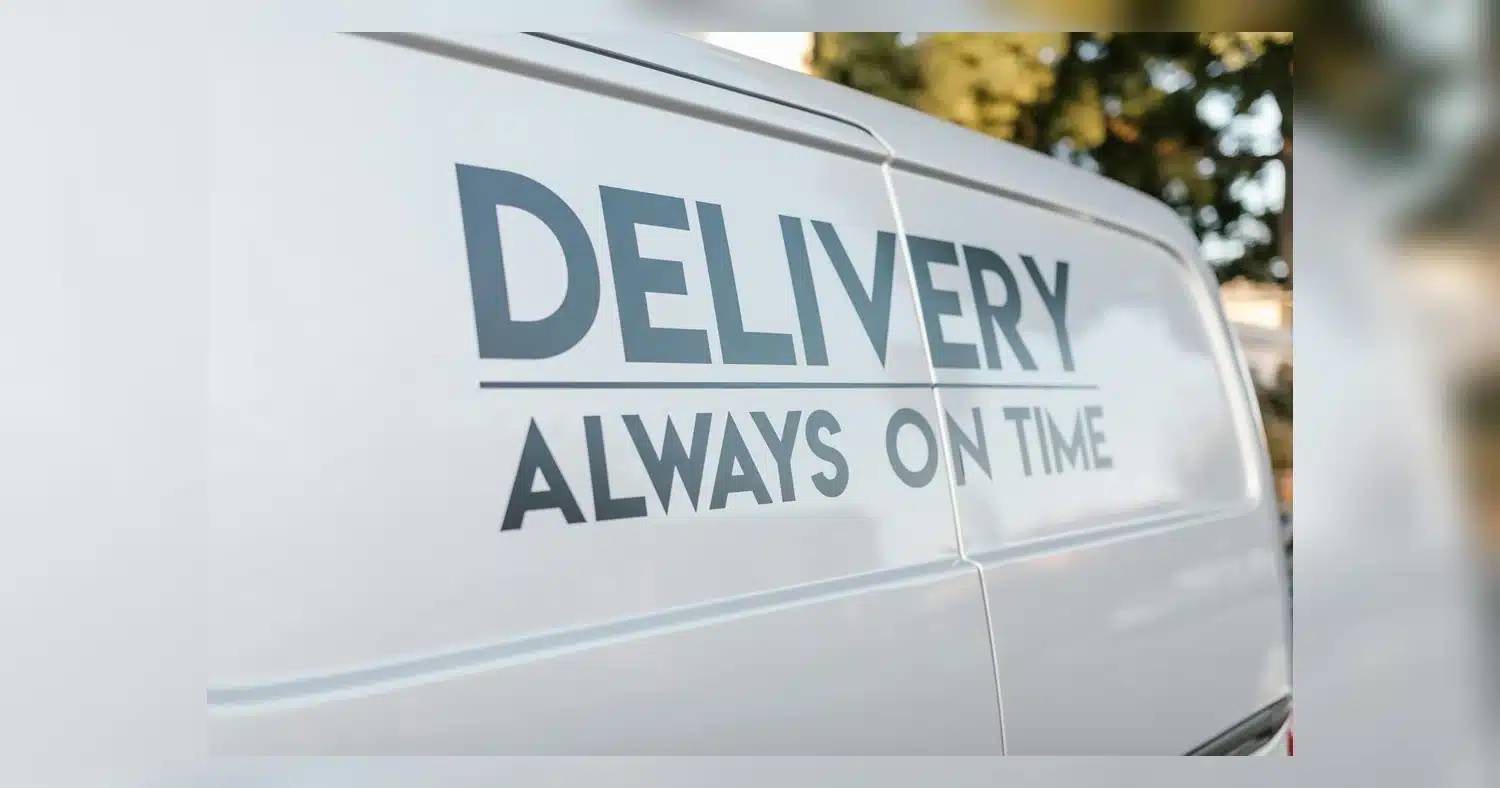
For business owners, the better question is how long the wrap will still look sharp enough to represent the brand. A delivery van in full sun, washed every week in an automatic brush tunnel, will age faster than a garage-kept SUV that is hand washed and used lightly. If you are comparing full wraps, partial wraps, or coverage options, a vehicle wrap coverage and cost guide can help you balance budget, visibility, and expected service life before you approve a job.
How long does a vehicle wrap last in real-world use?
Most professionally installed vehicle wraps last about 3 to 7 years. The biggest variables are UV exposure, outdoor parking, mileage, washing method, and how polished your brand needs the vehicle to look. A family car that sleeps indoors can stay attractive much longer than the same material on a job-site van parked in the sun every day.
In practice, personal vehicles usually get the longest life. Work vehicles land in the middle. Hard-use fleet trucks often age out first, even when the vinyl is still technically intact.
| Vehicle type | Typical lifespan | Best-case conditions | Hard-use conditions | What usually ends the wrap first |
|---|---|---|---|---|
| Personal car, garage kept | 5 to 7 years | Indoor parking, mild climate, hand washing | Less common | Owner wants a new look before failure |
| Personal car, parked outside | 3 to 5 years | Moderate sun, routine cleaning | Hot sun, snow, automatic washes | Roof and hood fading, edge wear |
| Work van | 3 to 5 years | Mixed parking, weekly washing, moderate mileage | Daily routes, outdoor storage, heavy grime | Door edge wear, branding fade, scuffs |
| Fleet truck or delivery vehicle | 2 to 5 years | Managed cleaning and covered overnight parking | High mileage, loading damage, constant weather exposure | Panel damage, abrasion, uneven aging across units |
Why one vehicle lasts longer than another
A wrapped commuter car driven 8,000 miles a year and parked in a garage will usually outlast a service van that sits on job sites all week. Climate matters too. Vehicles in hot, bright areas often show fading first on the hood, roof, and mirror caps. In snow-belt regions, salt and repeated winter washing do more of the damage.
Use type matters as much as material quality
Different vehicle shapes and wrap styles age differently in practice. Large SUV wraps, for example, have more roof and upper-panel area taking direct sun than many sedans. For small business owners, the wrap may still be physically sound at year four, but if the branding looks tired, the useful marketing life may end before the vinyl fully wears out.
What shortens or extends a wrap’s lifespan the most?
The biggest factors behind vehicle wrap lifespan are sun, outdoor parking, mileage, wash habits, winter salt, and whether the wrap needs to look presentation-ready every day. Premium vinyl helps, but real durability usually comes down to exposure and care.
Sun, parking, and daily use do the most damage
UV exposure is usually the number one wrap killer. Vehicles parked outside all day in strong sun age faster than the same wrap on a garage-kept car. The first wear usually shows up on horizontal surfaces like the roof, hood, and top edges of doors. High-mileage work vehicles also take more abuse from heat cycles, road grime, fuel splashes, and constant door use.
If you are asking how long does a vehicle wrap last in a place with long summers, expect the lower end of the lifespan range unless the vehicle is covered or stored indoors at night.
Washing habits and winter roads matter more than most owners expect
Hand washing or touchless washing is easier on edges and laminate than brush-style automatic washes. Dirty wraps that sit with bug acids, bird droppings, tree sap, or diesel film tend to stain and break down sooner. In colder regions, road salt and aggressive winter cleaning speed up edge wear around rocker panels, wheel arches, and lower doors.
- Best habit: rinse contaminants off quickly and wash regularly
- Common mistake: letting salt and grime bake onto the film for weeks
- Risk area: pressure washing too close to seams or lifted edges
Color choice and branding expectations can shorten the useful life
Not all wraps age the same visually. Dark colors, matte finishes, and heavily printed custom wraps can show fading, swirl marks, or surface haze sooner than lighter gloss colors. Even when the vinyl is still acceptable, a business vehicle often gets replaced earlier because the graphics must look sharp at every customer stop.
That is why service fleets often rewrap on appearance schedules instead of failure schedules. A wrap can still be bonded well and no longer meet branding standards after years of sun, washing, and route wear. That gap between physical life and marketing life is what many owners miss when comparing wrap life to a warranty.
Cast film vs calendered vinyl: which is the better long-term buy?
For most full wraps, cast film is the better long-term buy because it lasts longer, conforms better, and stays more stable on complex vehicle shapes. Calendered vinyl costs less up front, but on deep curves, bumpers, mirrors, and recessed panels, it usually ages faster.
Why cast film usually wins on durability
Cast vinyl is made to be thinner and more dimensionally stable, so it stretches with less internal stress and is less likely to shrink back at seams, channels, and edges. That matters if you are asking how long does a vehicle wrap last on a modern van, pickup, or SUV with sculpted body lines.
In shop use, premium cast films are the go-to choice for full commercial wraps because they are usually the longest-lasting wrap material. They also give installers more workable reposition time, which helps on large graphics and color changes.
Where calendered vinyl still makes sense
Calendered vinyl can be a good value for short-term promotions, flat-sided trailers, simple box trucks, partial graphics, and budget-sensitive campaigns. It is thicker, usually less conformable, and more prone to shrinkage over time, so it is not the first choice for a full SUV wrap or any design that has to tuck cleanly into channels and around compound curves.
Finish options and cost tradeoffs
Gloss finishes tend to show the least texture and often age more predictably. Matte, satin, chrome, and specialty textured films can look excellent, but some premium finishes are more delicate during washing and more expensive to replace panel by panel.
- Best long-term value: full wraps on daily-driven vehicles using cast film and matching laminate
- Best budget value: short-term or flatter-surface projects using calendered vinyl
- Best buying move: compare film grade, laminate type, and coverage, not just the lowest quote
If two local quotes are far apart, the film grade is often the reason. Lower price does not always mean lower quality, but it often means a different material category and a shorter vehicle wrap lifespan.

Vehicle wrap warranty: what it usually covers, and what it doesn’t
A vehicle wrap warranty usually has two separate parts, the manufacturer’s material warranty and the shop’s installation warranty. Buyers often assume those are the same thing, but they cover different problems and have different exclusions.
Material warranty vs installation warranty
The material warranty generally applies to the vinyl and laminate themselves. That can include issues such as premature cracking, excessive fading, adhesive failure, or film defects, provided the wrap was printed, laminated, installed, and maintained within the brand’s published guidelines.
The installation warranty is the shop’s promise on workmanship. That usually covers lifting edges, poor seams, bubbles from install error, missed prep, or failure in areas that should have been properly post-heated and set.
What is commonly excluded
- Rock chips, door dings, abrasion, and vandalism
- Pressure washer damage, harsh chemicals, or automatic brush washes
- Failure on rust, failing paint, body filler, fresh repaint, or oxidized clear coat
- Unsupported removal timelines for specialty films or temporary promotional graphics
- Horizontal surfaces that age faster, especially roof and hood areas in high-sun climates
This is why warranty wording matters. A manufacturer may stand behind the film but deny a claim if the vehicle had unstable paint or the installer used an unapproved print and laminate combination.
What to confirm before you approve the quote
- Ask which exact film and laminate are being used, not just “premium vinyl.”
- Get the warranty term in writing for both material and labor.
- Ask whether prep, edge sealing, and post-heating are included.
- Confirm whether your vehicle’s paint condition has been inspected before install.
- Ask who handles claim labor if a panel fails later: the manufacturer, the installer, or both.
If you are comparing shops in your area, the safest quote is the one that clearly lists brand, film grade, coverage, exclusions, and labor responsibility. That gives you a more realistic picture of both vinyl wrap durability and the real value behind the price.
Care routine that extends vinyl wrap durability
The fastest way to improve vinyl wrap durability is simple. Let the film cure properly, wash it gently, and remove contaminants before they bake into the surface. Good maintenance will not make a low-grade wrap last forever, but it can keep a quality wrap looking presentable much longer.
Let the wrap cure before normal washing
For the first 24 to 48 hours after installation, keep the vehicle dry if possible. That gives the adhesive time to settle, especially around edges, recesses, and seams. If the vehicle lives outdoors, avoid parking under trees during that first week. Sap, bird droppings, and heavy pollen are harder to clean off a fresh wrap.
During the first 7 days, skip waxes, ceramic sprays not made for wraps, and aggressive spot cleaners. Different finishes also need different care. Matte and satin films should never be polished because polishing can create shiny spots.
Wash the right way
Hand washing is still the shop-preferred method. Use cool or lukewarm water, a pH-neutral automotive soap, and a clean microfiber mitt. Rinse first, wash top to bottom, and dry with a soft microfiber towel to reduce water spotting.
- Avoid tunnel washes with brushes
- Avoid abrasive compounds and solvent-heavy cleaners
- Use wrap-safe cleaners for grease, bugs, and road film
If you must use a pressure washer, keep it below about 2,000 PSI, use a wide fan tip, stay 12 to 18 inches back, and never spray directly into edges or lifted seams.
Remove contamination quickly
Bird droppings, bug splatter, tree sap, fuel drips, and road salt should be cleaned off as soon as possible. Soften the contamination with warm soapy water or a wrap-safe cleaner, then blot and wipe gently. Do not scrape with fingernails or hard plastic.
Regular cleaning and quick contaminant removal are two of the easiest habits that help a wrap keep its color and finish longer.
When it is smarter to repair, replace, or refresh the wrap
Repair makes sense when the damage is isolated and the surrounding film is still healthy. Replacement is usually smarter when failure is spreading, the color no longer matches, or the wrap no longer represents the business well.
Signs a partial repair is still worth it
A panel repair is usually the best call when the problem is limited to one area, such as a scraped fender, a torn door section, or a small edge lift caused by a pressure washer. If the rest of the wrap is still glossy, stable, and tightly bonded, a shop can often reprint and replace only the damaged panel.
- Best for isolated cuts, scuffs, or impact damage
- Works better when the wrap is newer and the color has not faded much
- Most practical when the same film and print profile are still available
Signs replacement is the smarter move
If you see widespread fading, multiple lifting edges, cracking over curves, brittle film, shrinking around seams, or obvious color shift between panels, repairs usually start looking patchy. That is especially true on older custom wraps where sun exposure has changed the original print. A new panel can look noticeably brighter than the rest of the vehicle.
For fleets, uniformity matters. If several vans now look different from one another, a phased refresh often beats chasing one-off fixes. That is the point where many businesses compare options and decide whether to rewrap high-visibility vehicles first.
Practical decision factors for a vehicle or fleet
Use a partial repair when damage is under roughly 10 to 20 percent of the wrapped area and branding still matches. Choose a full rewrap when failure appears on multiple panels, removal will likely expose more weak areas, or the business has changed logos, phone numbers, or service areas. Guidance on when to replace or update a vehicle wrap matches what shops see every day. Once appearance becomes inconsistent, replacement usually protects the brand better than repeated repairs.
The smartest way to judge wrap life is to match the vinyl, warranty, and care plan to how the vehicle is actually used. Before you sign off on a quote, ask the shop which film they are using, how long they expect it to look presentable in your climate, what the warranty covers, and whether spot repairs are realistic for your vehicle or fleet. If you want a wrap that lasts and still sells your brand well year after year, get a shop-specific recommendation instead of relying on a one-size-fits-all lifespan estimate.
How long does a vehicle wrap last?
Most vehicle wraps last about 3 to 7 years. Premium cast vinyl, good installation, mild weather, and indoor parking can push that closer to the upper end, while constant sun and heavy use usually shorten it.
How long do car wraps last on a garage-kept vehicle?
A garage-kept vehicle wrap often lasts 5 to 7 years or longer if it is washed carefully and not exposed to harsh chemicals. Lower UV exposure is one of the biggest reasons indoor-stored wraps stay attractive longer.
Does outdoor parking shorten vehicle wrap lifespan?
Yes. Outdoor parking exposes the wrap to UV rays, heat cycles, rain, snow, and pollutants every day. That usually causes faster fading, edge wear, and a shorter overall lifespan than a vehicle that is stored indoors.
What does a vehicle wrap warranty usually cover?
Most warranties cover material defects such as cracking, peeling, or abnormal fading when the wrap is used and maintained correctly. They usually do not cover accident damage, rock chips, poor paint adhesion, brush wash damage, or chemical misuse.
How can I make a vehicle wrap last longer?
Wash it by hand or use touchless washing, remove bird droppings and road grime quickly, and avoid strong solvents or abrasive brushes. Parking in shade or indoors also helps extend wrap life.
When should I replace a wrap instead of repairing it?
Replace the wrap when the damage is widespread, the film is shrinking or cracking, or the color has faded unevenly across several panels. Small tears and edge lifts can often be repaired, but a full replacement is usually better when the wrap no longer looks uniform.
Get a Free Quote Today
Contact us at +1-(416) 288-8661 or Email us at info@Brandingcentres.com and let's get started.