When a clinic, law office, or accounting firm needs new stationery fast, a 500-sheet run with matching envelopes can often be turned around in 2 to 4 business days. For letterhead printing Toronto buyers, it usually pays to order the full set together, so the letterhead, envelopes, continuation sheets, and return address details all match in paper white, colour, and layout from the start.
Last updated: August 2026
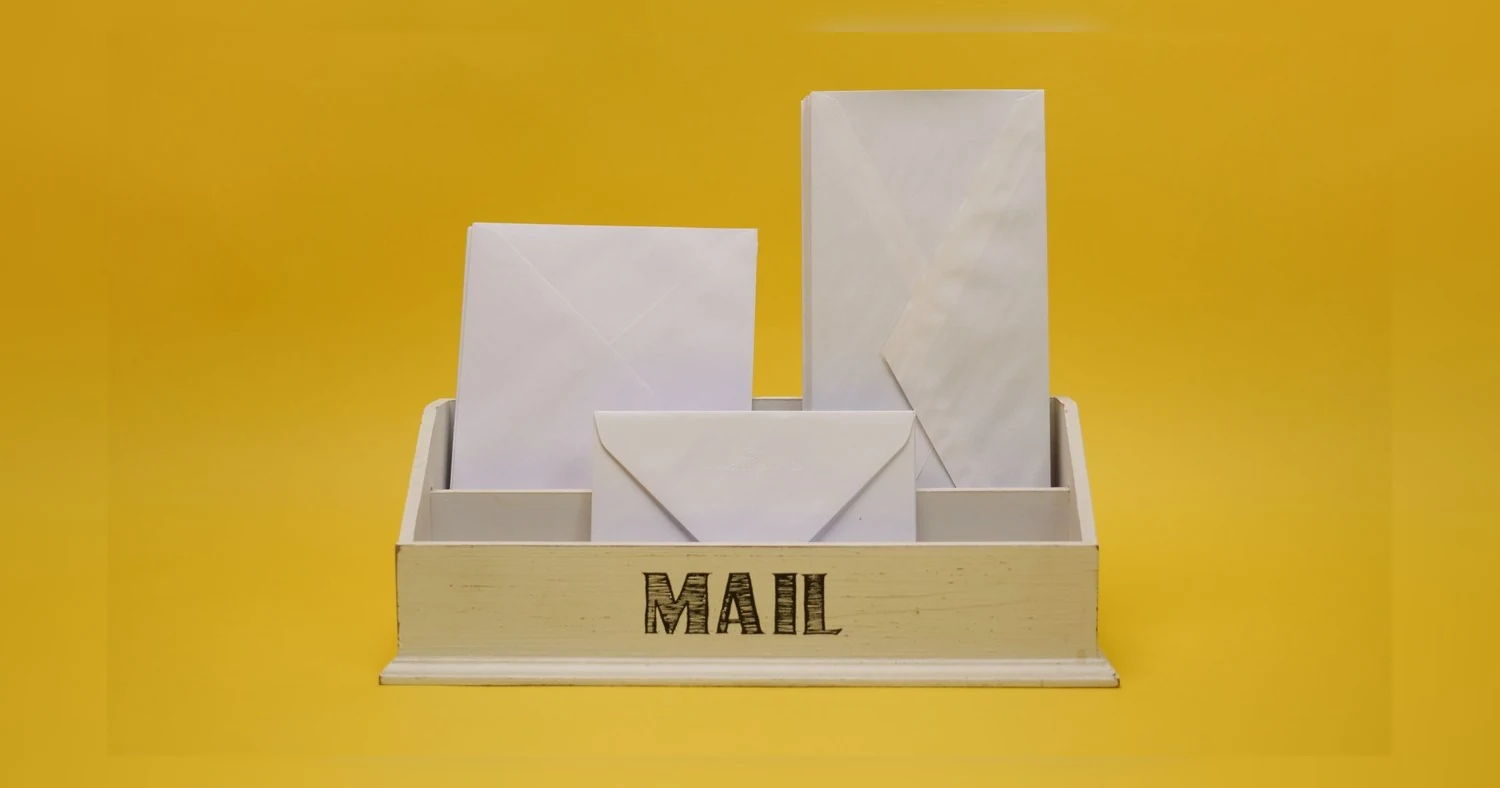
A consistent stationery package does more than look tidy. It gives front desk staff confidence when they send mail, helps professional services firms build trust, and keeps medical and dental practices looking sharp on referrals, invoices, notices, and records. If you are updating your visual identity before a reprint, this guide on creating a brand persona can help you settle the tone and look. Many print shops also bundle matching sheets and envelopes together, as shown in these letterhead and envelope printing options, so checking the whole set before production often saves time and cuts down on mismatched reorders later.
Below, you will find what belongs in a complete stationery set, how paper and envelope choices affect first impressions, what Toronto buyers should check before ordering, and how to keep reprints consistent for office use.
What a complete branded stationery set should cover
A complete stationery set should cover every document and mail piece your office uses often, not only the main letterhead. The goal is a system where each item looks related, prints cleanly, and fits daily workflow without staff having to improvise.
For most firms, that means starting with matching letterhead and envelopes, then adding the pieces that handle longer correspondence, mailed forms, and internal routing. In practice, many letterhead and envelope printing packages are built around these core items because they cover most business mail.
Core pieces every office should have
- Letterhead for proposals, notices, invoices, welcome letters, and formal correspondence.
- Continuation sheets for page two and beyond, usually lighter on branding so multi-page documents stay clean and economical.
- #10 envelope printing for everyday mailed letters, statements, and signed documents.
- Return envelopes if clients send payments, forms, or approvals back to your office.
Useful add-ons for offices that mail often
- Window envelopes for statements or form letters generated from software.
- 9 x 12 or 10 x 13 envelopes for contracts, medical records, presentation folders, and documents that should not be folded.
- Memo sheets or note pads for reception desks, treatment coordinators, and internal notes.
- Mailing labels when variable sender information is needed across departments or providers.
Keep the set consistent, not identical
Consistency comes from repeating the same logo treatment, typefaces, brand colours, and return address style across all pieces. That does not mean every item needs the same layout. A continuation sheet can be simpler than page one. A medical clinic may need a discreet envelope front, while a law office may want a more formal layout with a partner list.
If your business is refreshing its identity, clarifying your brand persona first helps you decide whether the set should feel conservative, premium, approachable, or highly corporate.
Paper, envelope, and ink choices that shape first impressions
The paper and envelope specs matter as much as the design. Stock weight, brightness, finish, and ink choice change how professional the piece feels in hand, how readable it is, and whether it works well with office printers, copiers, and handwritten notes.
For professional services, clinics, and established brands, a clean uncoated sheet with a well-matched envelope is usually the safest starting point. From there, you can choose a brighter, heavier, or more textured look depending on how formal or premium you want the stationery to feel.
| Element | Common options | Best for | Benefits | Watch-outs |
|---|---|---|---|---|
| Letterhead stock weight | 24 lb, 28 lb, premium writing stock | 24 lb for daily office use, 28 lb for a more substantial feel | Heavier sheets feel more premium and reduce show-through | Very heavy sheets may not feed as easily through some desktop printers |
| Paper brightness | 92 bright, 96 bright, 100 bright | 92 to 96 for conservative brands, 100 for a crisp modern look | Higher brightness increases contrast and colour pop | Ultra-bright sheets can feel stark for softer or traditional branding |
| Finish | Smooth uncoated, linen, laid, premium opaque | Smooth uncoated for clinics and offices, linen for formal firms | Uncoated stocks write on well and work for laser overprinting | Textured stocks may soften fine details or small type |
| Envelope format | #10, window #10, 9 x 12 booklet, 10 x 13 catalog | #10 for standard letters, larger envelopes for unfolded documents | Keeps mailing professional and reduces awkward folding | The wrong format creates bulk, wasted postage, or visible creasing |
| Ink and colour approach | Black only, black plus one PMS, full colour CMYK | Black or one spot colour for classic brands, CMYK for richer logos | Spot colours can look more consistent on brand-critical logos | Complex colour builds may shift slightly across paper types |
What usually works best by industry
Law, accounting, and financial firms often choose 24 lb or 28 lb bright white uncoated stock with black or dark navy ink. Dental and medical offices usually prefer smooth stocks that accept handwriting clearly and scan well. Established brands that want more presence may move to a premium opaque sheet or a subtle linen finish for board correspondence.
Choosing envelopes that actually match
With custom envelopes Canada buyers often focus on size first, but shade and surface matter too. If the envelope white is noticeably cooler or duller than the letterhead, the set can look pieced together. Ask for matching paper families or the closest available envelope stock when ordering business stationery printing.
For most day-to-day mail, a standard #10 is still the workhorse. Save larger booklet or catalog envelopes for contracts, presentation packs, records, and documents that should arrive flat.
What letterhead printing Toronto buyers should confirm before ordering
Before placing an order, confirm the production details that affect accuracy and timing. With letterhead printing Toronto businesses often need a fast turnaround, but most delays happen before the press starts: incorrect files, unclear proof approvals, missing envelope specs, or last-minute address changes.
File setup and proof approval
- Send press-ready PDF files whenever possible.
- Outline fonts or embed them so nothing substitutes unexpectedly.
- Use CMYK values or specify Pantone colours if brand matching is important.
- Include 0.125 inch bleed only if colour or artwork runs to the edge.
- Keep important text inside safe margins, especially on envelopes.
Always request a proof and confirm who has final approval authority. One partner changing a phone number after approval can reset the timeline for the full stationery set.
Turnaround, pickup, and delivery
Ask whether the quoted schedule starts from file submission or from proof approval. In Toronto, that distinction matters on rush jobs. A same-day file upload does not help if the proof sits unapproved until the next afternoon.
Also confirm whether you are picking up locally or need delivery to a downtown office, clinic, or GTA location. Pickup can save a day on urgent reprints. Delivery is often better for larger envelope cartons or multi-box business stationery printing orders.
How to avoid delays on urgent reprints
- Keep a locked approved version of each item: letterhead, continuation sheet, and envelope art.
- Save exact specs such as paper weight, envelope style, and ink choice.
- Standardize staff names, titles, and address formatting before reordering.
- Reorder before you are down to the last carton, especially for custom sizes or specialty stocks.
- If you use multiple locations, note which address version belongs to each branch.
For urgent reprints, the fastest path is usually reusing an already approved file on a stock the printer keeps regularly. If you expect frequent mailings, mention that up front so the shop can recommend practical specs for repeat runs of matching letterhead and envelopes.
How to keep letterheads and envelopes colour matched
The cleanest way to keep matching letterhead and envelopes looking intentional is to treat them as one print set, not two separate items. That means locking in the same logo placement, the same return address styling, the same paper white, and proofing both pieces side by side before the job goes to press.
Use the same visual anchor points
Start with placement. If the logo sits 0.5 inch from the top and 0.625 inch from the left on the letterhead, the envelope should echo that relationship rather than feel randomly placed. It does not need to be identical in size, but it should feel like part of the same system. For most business stationery, the return address should use the same font, colour build, and spacing rules as the contact line on the letterhead.
If you are refreshing stationery as part of a rebrand, your brand persona should guide whether the layout feels more formal, clinical, premium, or approachable.
Match the stock white, not just the ink
Many sets look off because the ink is the same, but the paper is not. A bright white envelope against a warmer natural white letterhead will make the logo appear different even when the CMYK values match. In letterhead printing Toronto orders, ask for the same paper family when possible, or compare stocks under neutral lighting before approval. For everyday office use, a 24 lb or 28 lb uncoated letterhead paired with a matching wove envelope is a common choice.
Proof both pieces together
Do not approve a letterhead proof on its own and assume the envelope will follow. Ask for a combined proof showing both layouts, paper names, and ink specs. If brand colour matters, confirm whether the job is running in CMYK or with a specific Pantone match. Also verify practical details such as whether the envelope is a standard #10, whether there is a window, and how the return address prints against folds, flaps, or security tint. A side-by-side proof catches mismatched whites, size issues, and weak logo contrast before a full run is printed.
What drives pricing for business stationery printing
The biggest pricing drivers in business stationery printing are quantity, number of ink colours, paper grade, envelope style, personalization, and whether you order the full set together. Small design changes can have a noticeable effect on cost, especially when envelopes are part of the job.
Quantity and colour count
Unit cost usually drops as quantity goes up because setup and press time are spread over more pieces. A run of 1,000 letterheads will typically cost less per sheet than 250, even if the total invoice is higher. Single-colour jobs, such as black or a dark corporate blue, are generally more economical than full-colour letterhead because they use less complex press setup and proofing. If your logo can print cleanly in one colour without losing impact, that is often the most budget-friendly route for daily correspondence.
Paper upgrades and envelope format
Stock matters. Moving from a standard uncoated 24 lb sheet to premium linen, cotton, or heavier 28 lb and 32 lb stocks raises material cost and can affect run speed. Envelopes also vary more than many buyers expect. Standard #10 envelope printing is usually the most efficient option for folded 8.5 x 11 letters, while window envelopes, security tint, peel-and-seal closures, or larger booklet formats add cost. For firms ordering custom envelopes Canada wide, shipping and lead time can also change the final number.
Variable data, proofs, and bundled runs
Personalization increases price because each version needs data handling and more careful proofing. Examples include different doctor names, lawyer direct lines, satellite office addresses, or department-specific reply envelopes. Rush turnaround can also add fees, particularly when a Toronto office needs same-week delivery.
One of the best ways to control cost is to order the suite together. Bundled letterhead and envelope jobs are a common commercial print option because they reduce duplicate setup, keep colour decisions consistent, and simplify proof approval. If you know you will need matching letterhead and envelopes within the same quarter, quoting them as one project often gives better value than placing separate reorders.
Common mistakes that make matching letterhead and envelopes look off
Most stationery mismatches come from small production decisions, not major design failures. The set usually looks off because the stock, specs, or files changed between runs, or because one piece was approved without checking how it relates to the other.
Mismatched paper whites. This is the most common issue. A blue-white envelope beside a warmer ivory-toned letterhead makes the same logo ink appear different. Always compare actual stock samples, not just paper descriptions.
Outdated contact details. Businesses often update the letterhead address or phone number and forget the envelope return address. Medical practices, legal offices, and multi-location firms run into this often after moves, fax removals, or direct line changes.
The wrong envelope size for the job. A #10 works for a standard tri-fold letter. It does not work well for flat forms, multipage packets, or inserts that should not be creased. Choosing the wrong size makes the mailing feel improvised and can create stuffing problems in the office.
Paper that is too thin. Very light sheets can show through, wrinkle in printers, and feel out of step with a professional envelope. For established firms ordering letterhead printing Toronto wide, a sturdier uncoated sheet often gives better day-to-day performance and a more consistent set.
Inconsistent brand assets across reorders. Different logo files, revised taglines, RGB artwork converted poorly to print, or unauthorized font substitutions can make new envelopes clash with existing letterhead. Keep one approved print-ready package with CMYK or Pantone values, fonts, clear margins, and current contact lines.
Approving pieces separately. If the envelope is reordered months later from old art, the placement, tint, or logo scale may shift. Ask for a proof that shows both items together whenever possible, especially if the company is going through a broader identity cleanup.
A simple reorder checklist prevents most of these errors: confirm stock name, confirm envelope format, confirm all contact details, confirm logo file version, and confirm the last approved proof date before printing starts.
How to choose a print partner for reorders, proofs, and compliance
The best print partner is not the lowest quote. For ongoing business stationery printing, you want a supplier that can proof accurately, keep approved files organized, handle repeat orders fast, and support compliance if your office sends regulated or sensitive documents. That matters even more for firms buying letterhead printing Toronto-wide across multiple locations or departments.
Check proofing and file support first
Start by asking what kind of proofs are included and what files the shop can work with. A reliable supplier should accept press-ready PDFs, flag setup problems before printing, and explain whether you are approving a digital PDF proof, a hard-copy proof, or both.
- Ask if they check bleeds, margins, image resolution, and black text settings.
- Confirm how they handle Pantone to CMYK conversions if brand colour accuracy is important.
- For updated branding, make sure they can work from vector logos and older files without rebuilding everything from scratch.
- If your stationery is tied to a broader identity refresh, it helps when the shop understands brand personas and how print choices support them.
Make reorders simple, fast, and consistent
Reordering should take minutes, not a new setup cycle each time. Ask whether the printer stores approved artwork by version, item, and order date, especially if you need matching letterhead and envelopes, branch-specific contact details, or frequent #10 envelope printing runs.
Many commercial suppliers offer coordinated letterhead and envelope printing services, which helps reduce the risk of drifting colours, paper substitutions, or mismatched window and non-window envelope layouts.
- Can they save multiple contact versions under one account?
- Do they offer same-day or 2 to 3 business day turnaround for reorders in the GTA?
- Can they split deliveries between offices or hold stock for scheduled releases?
Ask compliance and reliability questions up front
For medical, dental, legal, and financial offices, file handling matters. Ask who can approve reprints, how artwork is stored, and whether old versions are locked once replaced. A good supplier for custom envelopes Canada orders should also confirm backup plans for stock shortages, press issues, and rush deadlines.
If a shop cannot clearly explain proof approval, version control, and delivery timelines, it is not ready to manage ongoing stationery for a regulated business.
Getting the most from your next order
The most efficient stationery projects are the ones planned as a system. If you already know your logo, address, and envelope format, use that stability to your advantage by ordering the full set together and locking a reusable spec for future reprints. That approach keeps letterhead printing Toronto orders faster, reduces approval mistakes, and gives your staff a reliable set of materials they can use without second-guessing the brand.
Before you place a stationery order, gather your current logo files, confirm the exact contact details to appear on both pieces, choose the envelope format your team actually mails most often, and ask for a proof that shows paper, colour, and placement together. If you need a fresh, reliable set for daily office use or a brand update, the next practical step is to request pricing on bundled letterhead and envelope quantities that fit your reorder cycle.
Helpful External Resources
These sources provide supporting background and additional context.
- Letterhead And Envelope Printing
- Letterhead Printing Toronto
-
What is the best paper weight for letterhead and matching envelopes?
For letterhead, 24 lb to 28 lb premium bond is a common choice because it feels professional and runs well through most office printers. For matching envelopes, 24 lb to 28 lb stock is also a solid standard. If you want a more polished look for letterhead printing Toronto orders, choose an uncoated stock with good opacity so your branding looks sharp on both pieces.
-
Is #10 envelope printing the right choice for most business mail?
Yes, #10 envelopes are the standard for most business correspondence, including invoices, letters, and statements. They are the safest choice if you want a familiar, mail-friendly format that works with common letterhead sizes and many mailing systems. If you send client mail often, #10 is usually the best place to start.
-
How long does custom envelopes Canada production usually take?
Production time is often 5 to 10 business days after proof approval, depending on quantity, paper, and print complexity. Rush service may be available if you need it sooner. For the smoothest turnaround, submit final artwork early and confirm mailing specs before ordering.
-
What should I check before reordering business stationery printing?
Confirm your logo, address, phone number, and legal details are still current. Also review paper stock, envelope size, ink colour, and whether your letterhead and envelopes still match your brand. Before reordering, ask for a proof if anything changed, especially for business stationery printing used across multiple departments.
-
How should I prepare files for letterhead and envelope printing?
Use print-ready PDF files with outlined fonts, linked images, and the correct bleed and margin settings. Keep text away from envelope seams and address zones, and make sure colours are set correctly for print. If you are ordering letterhead printing Toronto services, a clean vector logo and high-resolution artwork will give the best result.
-
Can I order small quantities first to test the look and price?
Yes, many print shops allow short runs so you can check colour, paper feel, and compatibility with your office printers before placing a larger order. This is a practical way to compare pricing and make sure your stationery set looks consistent across letterhead and envelopes.
Get a Free Quote Today
Contact us at +1-(416) 288-8661 or Email us at info@Brandingcentres.com and let's get started.