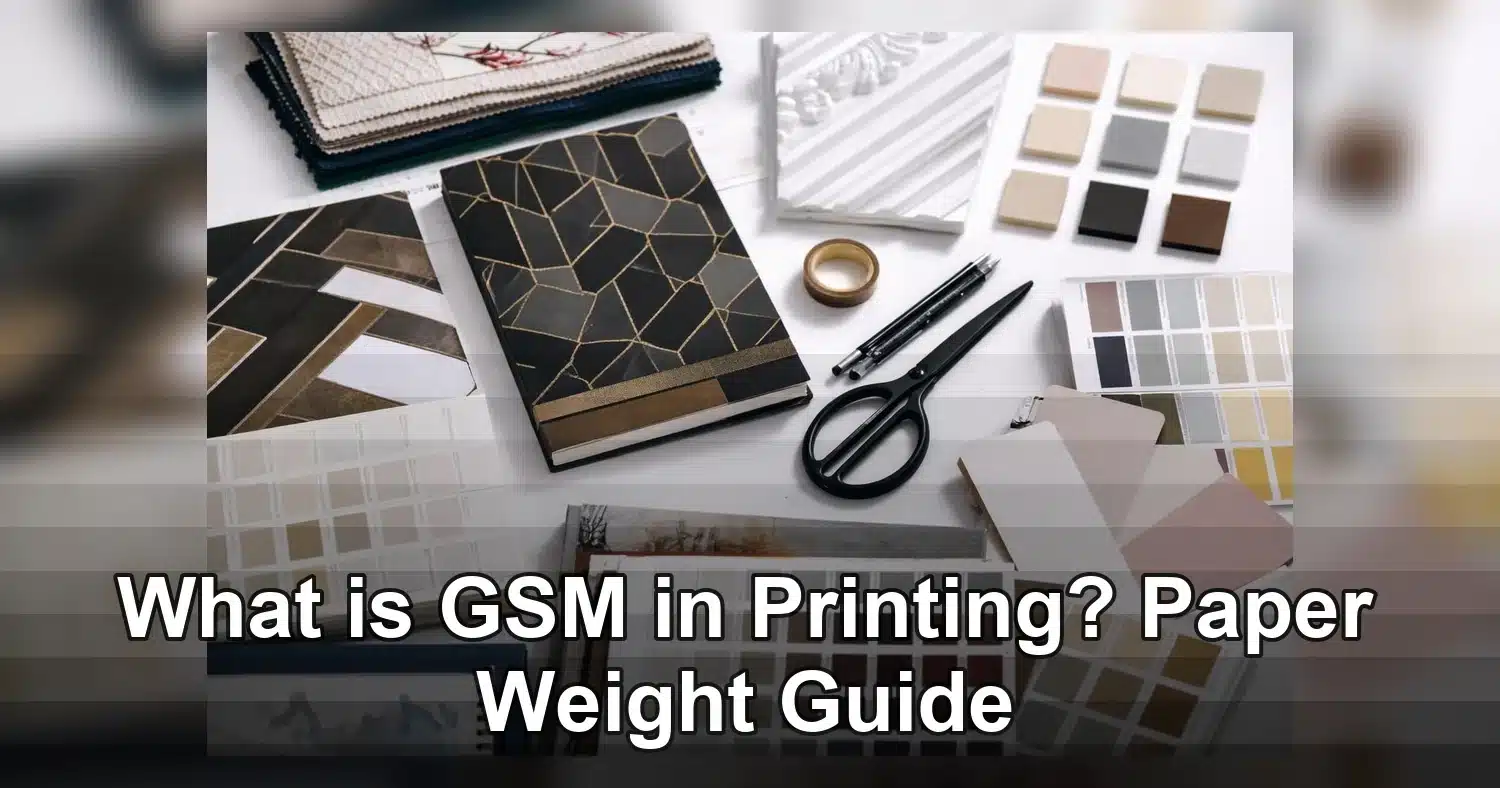
When people ask what is gsm in printing, they usually want a quick way to pick paper that feels right and prints well. GSM means grams per square meter, the standard way to measure paper weight. It tells you how much one square meter of a sheet weighs, which makes it easier to compare stocks across sizes and suppliers.
Last updated: May 2026
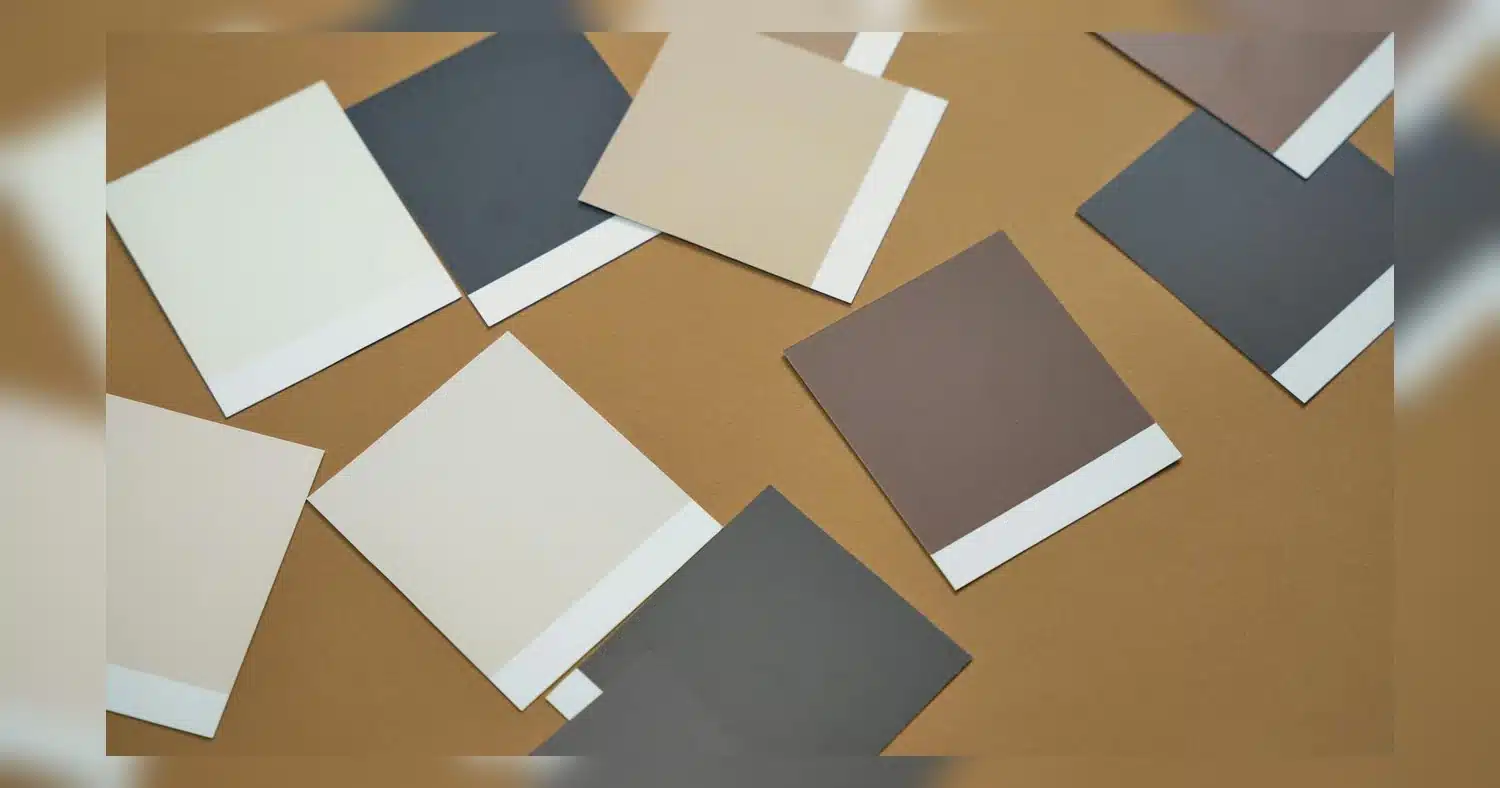
In practice, GSM helps predict stiffness, opacity, folding behavior, mailing cost, and the overall impression a printed piece makes. A flyer, menu, brochure, and business card can each use a different GSM depending on how they will be handled and how premium they need to feel. The best choice is the one that fits the job, the printer, and the end user.
What is GSM in printing?
GSM is short for grams per square meter. If a paper is rated at 150 GSM, one square meter of that paper weighs 150 grams. The number rises as the sheet gets heavier, sturdier, and usually thicker.
GSM is useful because it gives printers and buyers a common reference point. Unlike sheet counts or size-based descriptions, it lets you compare stock fairly whether you are ordering A4, letter, or custom sizes.
It is important to remember that GSM is a weight measurement, not an exact thickness measurement. Two papers with the same GSM can feel different if one is coated, compressed, porous, or made from a different fiber mix.
A simple way to think about it: GSM tells you how substantial the paper is for its area, not how many sheets you have and not the size of the sheet.
GSM vs lb vs paper thickness
Paper specs are often described with three different ideas. GSM tells you the weight per square meter. lb, or pounds, is a traditional U.S. system that depends on the base sheet size used to calculate weight. Thickness, often measured in points or microns, tells you how bulky and rigid the sheet feels.
| Spec | Measures | Best use | What it tells you |
|---|---|---|---|
| GSM | Weight per square meter | International paper comparison | How heavy the stock is for its area |
| lb | Weight of a parent sheet | U.S. paper ordering | General paper category, not a perfect match |
| Thickness | Caliper or point size | Cards, covers, inserts | How stiff or bulky the sheet feels |
GSM vs lb does not convert perfectly because lb can refer to different paper families and parent sheet sizes. That is why one printer might describe a stock as 100 lb text while another lists a similar sheet at 148 GSM. The numbers can be close in feel, but not identical in every case.
Choose GSM when you need to compare vendor specs or international quotes. Choose thickness when the piece must resist bending, hold a fold, or feel rigid in the hand.
Which GSM works best for common print pieces?
The right GSM depends on use, not just preference. Start with the handling demands of the job, then adjust for budget and finish.
- Flyers: 130 to 170 GSM is a common range for handouts and promotions. It keeps costs controlled while still feeling more substantial than basic copy paper.
- Brochures: 170 to 250 GSM works well for covers or single-sheet brochures that need a cleaner, more polished feel. Interior pages are often lighter than the cover.
- Menus: 200 to 350 GSM is common for menus that are handled often, wiped down, or left on tables for long periods. Lamination can help lower GSM options last longer.
- Business cards and appointment cards: 250 to 400 GSM is typical when you want a sturdy card that resists bending and communicates quality.
If the piece will be mailed, folded, or carried around all day, midweight paper often gives the best balance between strength and cost. If it is a one-time handout, a lighter stock may be enough.
A practical rule is to choose the lightest GSM that still looks professional and feels durable enough for the job.
How to choose between two close GSM options
If you are stuck between two nearby paper weights, use the job requirements to decide.
- Choose the lower GSM when the piece must be mailed in volume, folded many times, or kept affordable.
- Choose the higher GSM when the piece will be handled often, needs a richer feel, or should reduce show-through on both sides.
- Choose thickness first when rigidity matters more than total weight.
When in doubt, ask your printer for a sample with the actual print method you plan to use. A coated stock, an uncoated stock, and a laminated stock can all feel different even at the same GSM.

How GSM affects print quality and durability
Higher GSM paper usually feels stiffer, shows less through the sheet, and handles heavy inks better. Lower GSM paper is lighter and cheaper, but it can curl more easily and show images or text from the reverse side when printed on both sides.
Show-through and opacity
Opacity matters when you print dark colors, full backgrounds, or double-sided layouts. A lighter stock may allow the opposite side to be visible, which can make text harder to read and images look less clean. Higher GSM often improves opacity, but coating and paper construction also play a role.
Folding and scoring
As GSM increases, paper becomes less flexible. That is great for cards and covers, but folded pieces may need scoring to avoid cracked edges and rough creases. A tri-fold brochure on lighter stock folds easily, while the same design on heavy cover stock needs a different finishing setup.
Durability and presentation
Heavier paper resists dog-earing, bending, and edge wear better than lighter stock. It also changes the way customers judge your piece. A thicker menu or brochure usually feels more intentional and premium than a flimsy version, even if the design is identical.
How GSM affects price and turnaround
Heavier paper usually costs more to buy and ship. It may also add production time because thicker stock can need scoring, special press settings, or extra finishing steps.
Several factors can raise the price of a job:
- The sheet itself costs more at higher GSM.
- Special finishes such as lamination, foil, or soft-touch coating are often paired with heavier stock.
- Thicker paper may create more setup waste during printing.
- Mailing and freight costs rise as the finished piece gets heavier.
Turnaround can also change. Some digital presses have thickness limits, and some folds or coatings require additional equipment. If the printer needs to source a specialty stock or move the job to another production method, delivery may take longer.
Lower GSM stocks are often faster and cheaper for simple flyers, inserts, and internal documents. Heavier GSM is worth the extra cost when the piece needs a premium feel, more durability, or less show-through.
Common GSM mistakes to avoid
The biggest mistake is choosing paper by feel alone. A sample that seems fine in a paper book can behave very differently once it is printed, folded, mailed, or handled by customers.
- Using paper that is too thin for double-sided printing: This can lead to show-through, a weak feel, and a less professional result.
- Choosing stock that is too thick for the fold: Heavy paper without scoring can crack at the crease and look worn too soon.
- Ignoring printer limits: Not every printer can run every GSM reliably, especially on short-run digital equipment.
- Matching the wrong stock to the job: A one-day promo flyer does not need the same paper as a sales leave-behind or premium appointment card.
- Forgetting brand perception: If the paper feels cheaper than the message, the piece can undermine the brand instead of supporting it.
The safest way to avoid reprints is to ask for a sample, confirm whether scoring is needed, and tell your printer exactly how the piece will be used.
When to request samples or a spec check
Ask for a physical sample when paper feel is part of the buying decision. This is especially useful if you are choosing between close options like 170 GSM and 200 GSM, or 300 GSM and 350 GSM.
Request a proof when layout, color, pricing, or QR codes must be correct. A proof helps catch trim problems, panel order mistakes, and low-resolution images before the full run starts.
Ask for a quick prepress spec check when the job involves folds, scores, lamination, or mailing. It is a small step that can prevent production delays and avoid choosing a stock that is unsuitable for the final finish.
If you remember one thing, make it this: the best GSM is the lightest one that still performs properly for the job.
What GSM should I choose for flyers?
130 to 170 GSM is a solid range for most flyers. It is light enough for affordable printing and distribution, but sturdy enough to feel intentional instead of flimsy.
What GSM is best for business cards?
250 to 400 GSM is common for business cards because the sheet needs enough stiffness to resist bending and feel premium in hand. The exact choice depends on whether you want a standard, sturdy, or luxury feel.
Is higher GSM always better?
No. Higher GSM means heavier and usually thicker paper, but the best paper depends on folding, mailing, printer limits, and cost. A heavy stock can be the wrong choice if the piece needs to fold cleanly or stay within budget.
How does GSM compare to lb?
GSM is a metric measure of weight per square meter. lb is a legacy U.S. system based on a parent sheet size, so it does not convert one to one. GSM is usually easier to compare across printers and countries.
Does GSM tell me how thick paper is?
Not exactly. GSM is about weight, not thickness, although higher GSM often feels thicker and stiffer. Coating, density, and fiber structure can make two papers with the same GSM feel different.
Get a Free Quote Today
Contact us at +1-(416) 288-8661 or Email us at info@Brandingcentres.com and let's get started.