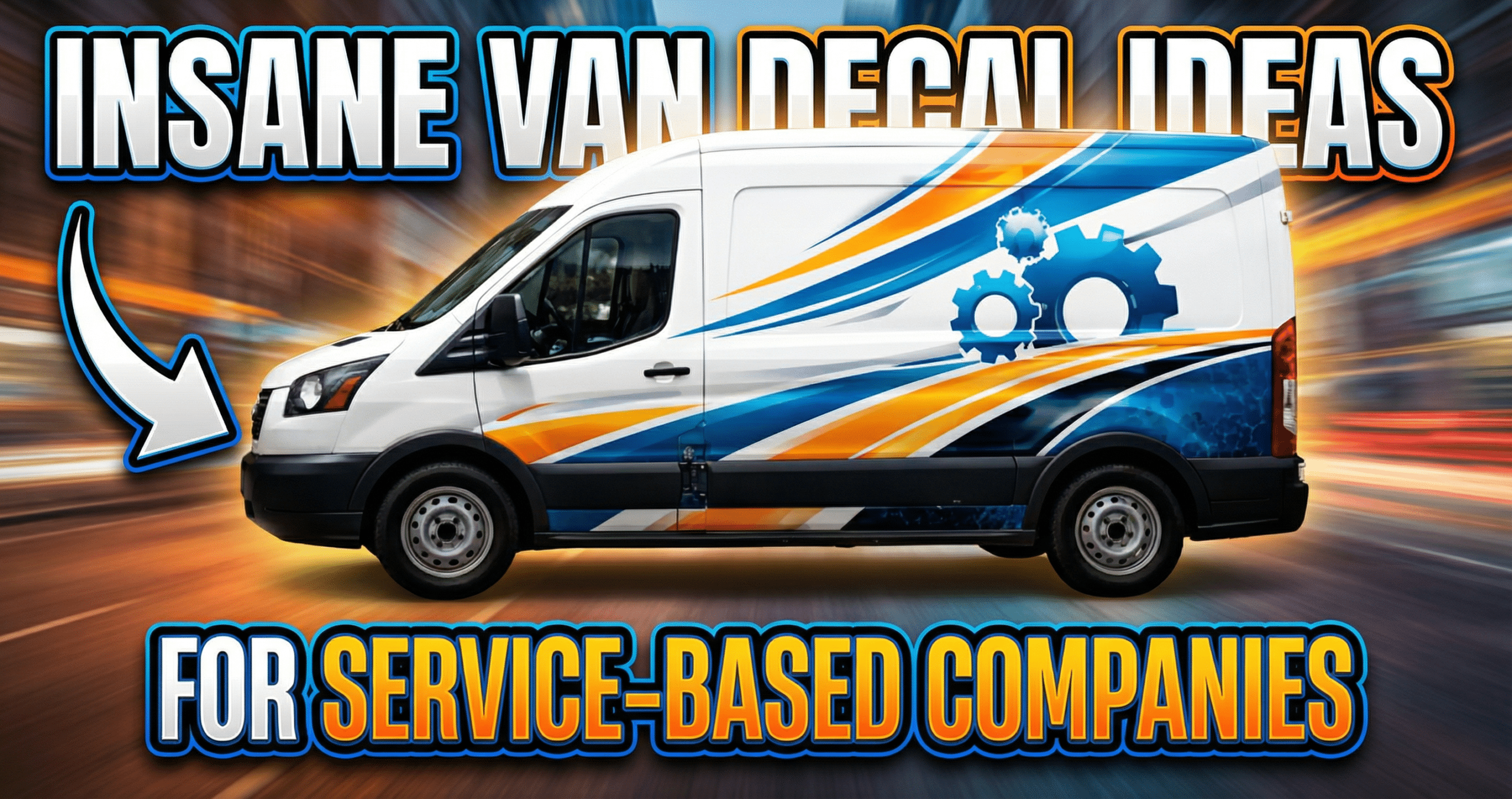
The best Van Decal Ideas for service-based companies are the ones people can understand in a few seconds. On the road, at a jobsite, or parked in a neighborhood, your van usually gets only a quick glance, so the design needs to answer three questions fast: who you are, what you do, and how to contact you.
Last updated: April 2026
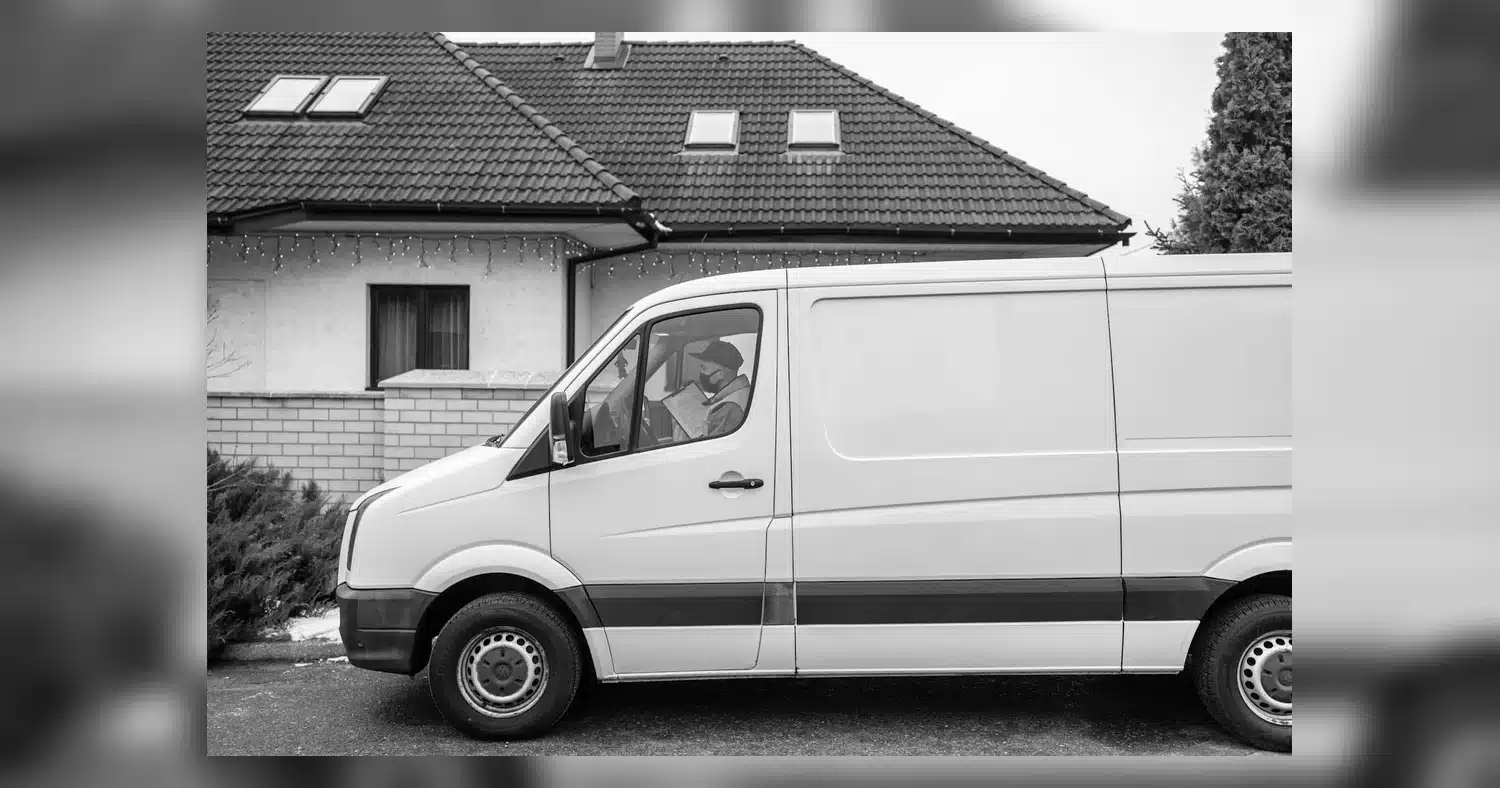
For most trades and mobile service businesses, the winning formula is simple. Use a clear logo, one primary service message, a large phone number, and strong contrast that stays readable in traffic. That approach turns daily driving and parking into local brand exposure without the ongoing cost of ads. If you are comparing formats for one vehicle or a larger fleet, start by reviewing custom van decals and lettering options with readability, durability, and budget in mind.
This matters because most people only see a service van for a moment. They may be walking by, waiting at a stoplight, or passing your parked vehicle in a driveway. Simple designs with bold type and clear contact details tend to outperform busy layouts. Below, you will find practical van decal ideas, the best format for each budget level, and the design rules that help service vans generate more calls.
Van Decal Ideas That Work Best for Service-Based Companies
The strongest van decal ideas are the ones that can be read at a glance. A passersby should be able to identify your business category and know how to reach you without studying the side of the van. That is why clean branding usually works better than a long list of services, decorative shapes, or small text.
For service companies, the goal is not to explain everything. It is to make your vehicle memorable, trustworthy, and easy to contact. A plumber does not need a full menu of services on the side panel. An electrician does not need a paragraph about every certification. A cleaner, landscaper, mover, or contractor usually gets better results from a short message that supports the main service and leaves room for the phone number to stand out.
Best-performing decal concepts by business type
- Trades and repairs: Logo, service category, phone number, website, and license or registration details if required.
- Cleaning and facility services: Bright, high-contrast branding with a short benefit line such as residential, commercial, or emergency service.
- Landscaping and exterior services: Bold side graphics, readable contact details, and green or earth-tone accents that fit the brand.
- Delivery and mobile businesses: Large logo, route-friendly identification, and minimal text so the van is easy to recognize from a distance.
- Health, wellness, and home care services: Professional layouts that feel polished and trustworthy, with contact information kept simple and uncluttered.
Consistency matters if you run more than one van. Matching decal placement across every vehicle creates a more organized fleet and helps people recognize your company faster. Even if the van models differ, the same logo position, phone number placement, and color scheme make the brand look established. If you need a simple starting point, a van decals lettering layout with one logo, one core service line, and one phone number is often the most practical way to begin.
Some businesses also need compliance or identification markings. If your operation requires unit numbers, fleet IDs, or regulated identifiers, options such as NSC number decal and CVOR number decal applications can usually be incorporated without making the design feel crowded.
Choose Between Vinyl Decals, Lettering, Partial Wraps, and Full Vehicle Wraps
The right format depends on your budget, how much coverage you want, and how strongly you want the van to work as a marketing asset. A single vehicle may only need decals or lettering. A growing fleet may benefit from partial wraps or full wraps that create a stronger and more consistent visual system.
| Option | Coverage | Typical Cost Tier | Durability and Maintenance | Best Use Case |
|---|---|---|---|---|
| Vinyl decals | Low to moderate, usually logos, phone numbers, and service text | Lowest | Good durability with basic care, easy to replace if damaged | Single vans, startups, and companies needing a clean, simple look |
| Vinyl lettering | Minimal, focused on text-based branding | Low | Strong for daily service use, simple to clean and maintain | Budget-conscious fleets, compliance markings, and contact-heavy layouts |
| Partial wraps | Moderate, often side panels, rear doors, and accent areas | Medium | Very good when installed properly, covers more paint and original color | Businesses that want more impact without the cost of a full wrap |
| Full vehicle wraps | High, nearly complete exterior coverage | Highest | Excellent branding durability, more material to inspect over time | High-visibility service fleets, multi-van branding, and premium presentation |
How to choose the right format
If your main goal is affordable lead generation, vinyl decals and lettering are usually the smartest place to start. They let you include the essentials without turning the van into a billboard. That is especially useful when you are testing a new service area or branding the first vehicle in your business.
Partial wraps are a strong middle ground. They add color, shape, and more visual presence while staying below the cost of a full wrap. They also work well on vans with large side panels where a logo alone might look too small. If the body style makes the design tricky, looking at examples of bold van decals on a Ram ProMaster can help you see how panel size and layout affect visibility.
Full vehicle wraps create the biggest impact and are best when brand recognition is a priority. They can make a fleet look polished and uniform, especially for companies that serve neighborhoods, commercial properties, or job sites all day long. A practical way to decide is to match the format to your growth stage:
- Startup: decals or lettering
- Established local business: partial wrap
- Fleet expansion or premium positioning: full wrap
Turnaround also matters. Decals and lettering are often faster to produce and install than larger wraps, which can be helpful if you need the vehicle back in service quickly. For a service company, downtime has a real cost, so the biggest option is not always the best option.
Design Rules That Make Van Decals Easy to See on the Road
The most effective van decals are easy to read at a glance, even from the next lane. That means strong contrast, large type, and a layout that puts the most important details where people naturally look first.
Keep the message short and legible
Use one main logo, one short service line, and one primary contact method. If the design tries to say too much, the van becomes harder to read and less memorable. A short phrase like Emergency Plumbing Service or Commercial Cleaning is far more useful than a long list of every service you offer.
- Font size: Make the business name and phone number large enough to read from several car lengths away.
- Contrast: Light text on dark paint, or dark text on light paint, usually performs best.
- Logo placement: Keep the logo visible, but not so small that it gets lost in the layout.
- Phone number hierarchy: Put the phone number near the center or rear so it is easy to capture when the van passes by.
Website visibility matters too, but it should not compete with the phone number. If you include both, make the phone number the primary response path and the website the secondary option. A QR code can help when the van is parked or moving slowly, but it usually does not perform as well when someone is driving past at speed.
Side and rear placement can improve response rates. Side panels are best for recognition, while rear doors are often the best place for contact details because drivers can read them in traffic or at stoplights. Rear placement also works well for vans parked at customer homes, since neighbors and passersby get a direct view.
Road-ready checklist
- Use one clear focal point per side of the van
- Keep small text to a minimum
- Avoid busy backgrounds behind contact details
- Place the call to action where it can be seen quickly
- Test the design at a distance before production
For service-based companies, the best van decal ideas are usually the ones that look simple, trustworthy, and fast to understand. Industry examples from best van wrap ideas and designs show the same pattern: bold branding, strong contrast, and minimal clutter consistently outperform overly detailed layouts on the road.
Pricing Factors, Turnaround Times, and What Affects Installation
The budget for van decal ideas depends on size, material, print method, prep work, and how many vehicles you are branding. A small set of vinyl decals costs less than a full vinyl wrap, but the biggest price swings usually come from coverage area and installation complexity.
What drives cost
- Size and coverage: Door logos and contact info are cheaper than full side graphics, rear doors, and roofline branding.
- Material choice: Standard calendared vinyl is usually more affordable for simple flat-surface graphics, while cast vinyl performs better on curves and recessed panels.
- Print method: Simple cut vinyl lettering is generally faster and less expensive than full-color printed vehicle decals with contour cutting.
- Lamination: A gloss or matte laminate adds durability, UV resistance, and easier cleaning, but it also adds material and labor cost.
- Vehicle prep: New vans, dirty surfaces, wax residue, and body damage can all increase prep time before installation.
- Fleet quantity: Multiple identical vans often lower the per-unit cost because design setup and production can be repeated efficiently.
Turnaround time considerations
Most projects move faster when the layout is simple, the artwork is already vector ready, and the van is available for install without delay. Custom design rounds, proof revisions, and color matching can add time before production starts.
For fleet orders, lead time often expands because every vehicle should be measured and approved before printing. If your van has a unique body style, rivets, curves, or sliding-door panel gaps, expect the installer to spend extra time planning panel placement so the graphics read cleanly on the road.
Installation location also matters. A shop install can be more controlled for temperature, lighting, and surface prep, which is useful for detailed wraps and precision lettering. Mobile install may be convenient for busy van decals lettering jobs, but it can take longer if weather, parking space, or dust interferes with the work.
Typical budget factors to compare
- One van versus a growing fleet
- Door decals only versus side, rear, and partial wrap coverage
- Matte, gloss, or specialty laminate finish
- Indoor shop installation versus on-site installation
- Standard service graphics versus regulated fleet numbering
If your business operates commercial vehicles, plan for compliance details early. Jobs that require number decals, registration identifiers, or special fleet markings can affect layout and install time, especially when paired with NSC number decal or CVOR number decal requirements.
High-Impact Van Decal Ideas by Service Type
The best van decal ideas match the service you sell, not just the vehicle size. The goal is to make the offer obvious in three seconds, then give people one reason to call right away.
Plumbers
Use a clean message like Fast Leak Repairs or Drain Cleaning and Emergency Service. Add a phone number, service area, and a simple icon such as a wrench, pipe, or water drop. Emergency language works well because it creates urgency.
Electricians
Lead with safety and specialization. Good angles include Residential and Commercial Wiring, Panel Upgrades, or 24 7 Electrical Repairs. Electric companies often benefit from strong contrast and a clean, technical look that feels trusted and professional.
HVAC companies
Focus on comfort and speed: Heating and Cooling Service, AC Repairs, or Seasonal Maintenance Plans. If you do installations, add that too. Seasonal reminders on side panels can help turn parked vans into rolling ads during peak weather months.
Cleaners
For cleaning businesses, emphasize results and reliability. Homes, Offices, and Move Out Cleans or Weekly, Deep, and Post Construction Cleaning tells prospects exactly what you do. A bright, fresh design often performs better than cluttered graphics.
Landscapers
Use landscape visuals sparingly and make the service easy to scan. Phrases like Lawn Care, Property Maintenance, Sod and Mulch, or Seasonal Cleanup work well. Since these vans often sit in neighborhoods, clear local branding matters.
Movers
Lead with convenience and trust: Local and Long Distance Moves, Packing and Loading Help, or Same Day Moving Quotes. Add a large phone number and a simple promise such as careful handling or insured service.
Contractors
For general contractors, the most effective message is usually broad and credible: Renovations, Framing and Additions, or Design Build and Repairs. If you offer multiple trades, list the top three instead of overcrowding the body copy.
Delivery businesses
Delivery fleets need fast recognition more than detailed service lists. Use the company name, service type, delivery zone, and a web or phone contact. Clean side graphics and rear door branding are especially effective in traffic and at loading zones.
For more layout inspiration tied to utility vans and commercial vehicle branding, these van wrap ideas and designs show how simple messaging can still feel polished and memorable.
Common Mistakes That Reduce Calls or Create Compliance Issues
The biggest mistakes are usually visual, not creative. If people cannot read your van decals quickly, the design is not doing its job. If fleet markings are missing, the vehicle may also create compliance problems.
Design mistakes that hurt response
- Overcrowded layouts: Too many services, icons, taglines, and website details make the van hard to scan at a stoplight.
- Weak contrast: Light gray on white, dark blue on black, and thin script fonts are difficult to read from the street.
- Unreadable contact info: A phone number or URL that is too small becomes dead space instead of a lead generator.
- Poor placement: Putting key information too low, too high, or across seams can reduce visibility on sliding doors and rear panels.
Compliance and fleet marking issues
Businesses that operate regulated vehicles should confirm whether number decals, fleet IDs, or permit identifiers are required before production. Missing identifiers can force a reprint or delay the install, which is expensive once the graphics are already cut.
It is also smart to keep compliance markings visible and consistent across the entire fleet. If some vans have the required number decal and others do not, the branding looks inconsistent and can create avoidable administrative issues.
Quick checklist before installation
- Can the company name be read in a few seconds?
- Is the phone number large enough for traffic-speed viewing?
- Does the design avoid door handles, seams, and body curves?
- Are the colors strong enough to stand out in daylight and rain?
- Have regulated identifiers been confirmed for every vehicle in the fleet?
When in doubt, keep the layout focused and make the most important information visible on the sides and rear. A simple, well-placed decal system usually generates more calls than a busy graphic that looks impressive up close but disappears from the road.
When Van Decals Are Better Than a Full Vehicle Wrap
Van decals are the better choice when you want a clean, credible branded vehicle without paying for full panel coverage. For many service-based companies, decals win when the budget is tighter, the van is older, the service area is local, or the vehicle may be replaced in a few years.
Choose decals when budget matters more than maximum coverage
If the goal is to get your company name, phone number, website, and core services on the road fast, decals usually deliver the best value. You can focus on the side panels and rear doors, which are the areas customers see most in traffic, at curbs, and in driveways. In many cases, van side decals can still create strong brand visibility without covering every panel.
That makes decals a smart option for newer businesses, single van operators, and companies adding vehicles gradually. A clean set of van decals and lettering often does enough to generate calls without the larger investment of a full vinyl wrap.
Match the graphics to mileage and market reach
If your van stays mostly within one city, works on repeat local routes, or spends hours parked at job sites, decals may be all you need. Plumbers, electricians, cleaners, and HVAC companies often get strong exposure from neighborhood visibility alone.
A full wrap usually makes more sense when the van drives long distances every day, covers multiple towns, or serves as a major brand-awareness tool in dense traffic. More mileage means more impressions, so the added surface area has more opportunity to pay back.
Vehicle condition matters more than many owners expect
Decals are often the safer choice for older vans with faded paint, body repairs, small dents, or rust-prone areas. A full wrap covers more surface, but it also makes panel flaws more noticeable if the van is not in good shape. Decals let you avoid weak panels and place branding only where the finish is solid.
Think about how long the van will stay in service
If the van may be sold, rotated out, or reassigned within two to four years, decals are usually easier to justify. They are also easier to update when phone numbers, websites, or service offerings change. If applicable, leave room in the plan for required fleet markings such as a CVOR number decal.
Quick decision checklist
- Choose van decals if you want lower upfront cost and only need key branding elements.
- Choose van decals if the van serves a local area and spends time parked at customer sites.
- Choose van decals if the vehicle is older or has cosmetic flaws on some panels.
- Choose van decals if the van may leave the fleet in a few years.
- Choose a full wrap instead if the van drives heavily, covers a larger region, and will stay in service long enough to maximize daily impressions.
The right van decal strategy is usually the one that matches your budget, keeps your message readable at a glance, and fits how long each vehicle will stay in service. Before you approve artwork, reduce the layout to the essentials: your brand name, your core service, one contact method, and placement that works on both the side and rear of the van.
If you are ready to narrow down the best option, ask for a proof that shows actual lettering size, coverage area, and install scope for each vehicle so you can compare impact before production. A simple, well planned decal package often brings more calls than a busier design that no one can read.
Related Products and Services
If you are planning a similar project, these related options may help.
Helpful External Resources
These sources provide supporting background and additional context.
What are the best Van Decal Ideas for service-based companies?
The best van decal ideas are simple, high-contrast designs that make your business easy to identify at a glance. For service companies, the strongest layouts usually include a clear logo, one short service line, a large phone number, and a website or service area if space allows.
Should I choose van decals, lettering, a partial wrap, or a full wrap?
Choose van decals or lettering if you want the lowest upfront cost and only need the essentials on the vehicle. Choose a partial wrap if you want more impact without full coverage. Choose a full wrap when brand visibility is the top priority and the vehicle will stay in service long enough to justify the investment.
What information should a service van decal include?
Include your business name, logo, main service, phone number, and website. If you work in a regulated industry, you may also need license numbers, fleet IDs, or other identifiers, so check your local and industry requirements before printing.
How long do vinyl van decals usually last?
High-quality vinyl decals typically last three to seven years, depending on material choice, sun exposure, washing habits, and installation quality. Professional installation and regular cleaning can help extend the life of the graphics.
What file format is best when ordering van decals?
Vector files such as AI, EPS, or PDF are best because they scale cleanly without losing quality. If you only have a JPG or PNG, send the highest-resolution version you have so the print shop can evaluate whether it will work for the decal size you need.
Get a Free Quote Today
Contact us at +1-(416) 288-8661 or Email us at info@Brandingcentres.com and let's get started.