
If you need trade show flyers toronto congress centre exhibitors will actually use on a busy event floor, the first rule is simple: make the flyer do one job well. At Toronto Congress Centre, attendees move fast, compare multiple booths, and usually decide in seconds whether to keep a handout or leave it behind. That means your flyer should give them a clear reason to stop, a message they can remember later, and a next step that is easy to take.
Last updated: April 2026
Ready to print flyer printing?
Send your artwork, quantity, and deadline to Branding Centres. We will help confirm specs, turnaround, and the best production option.
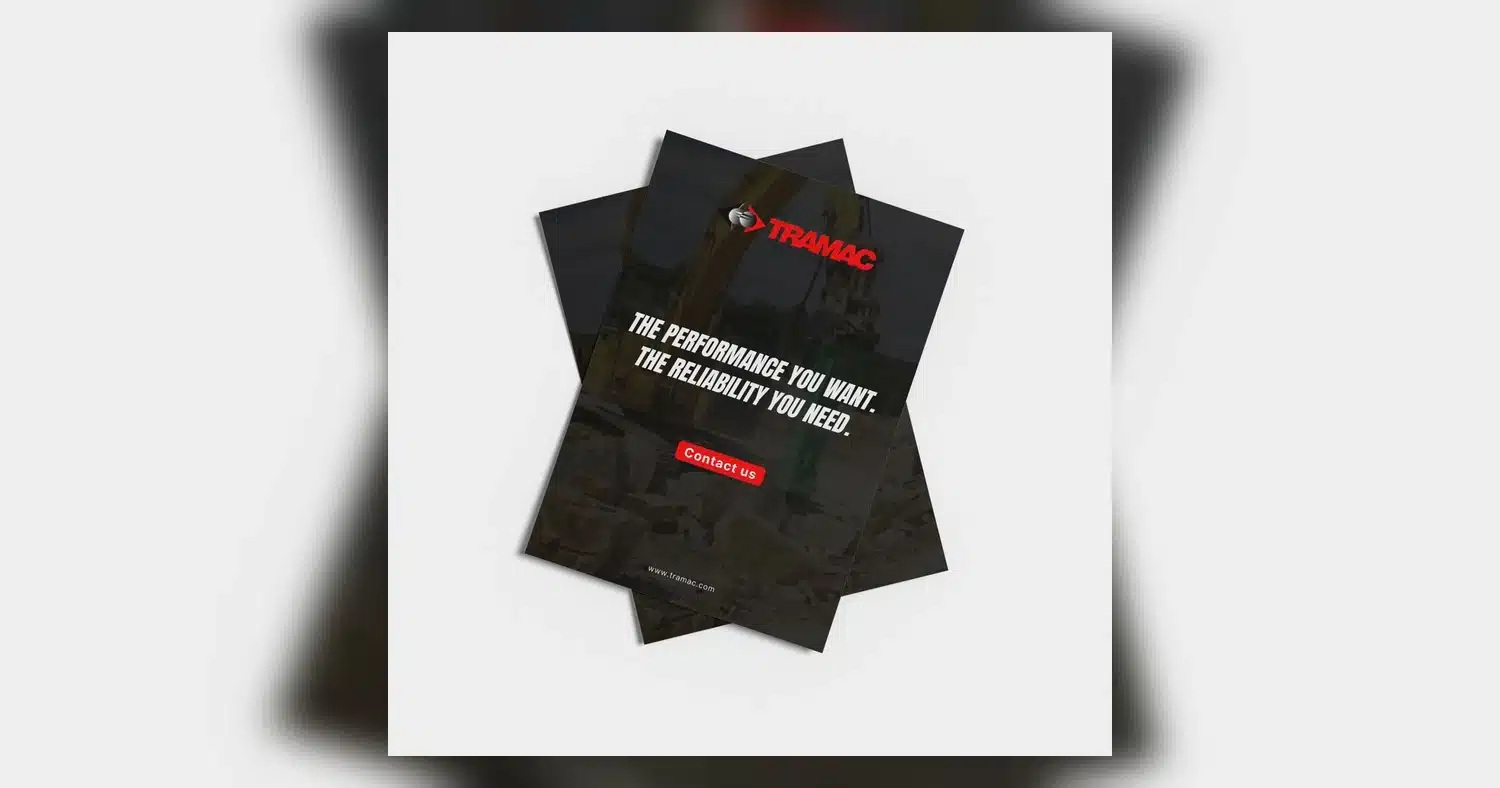
The best trade show flyer is not a mini catalog. It is a quick-scan leave-behind built for booth traffic, product highlights, QR code action, appointment booking, and post-show follow-up. For exhibitors, sponsors, and conference partners, the strongest flyers usually support a live conversation, a demo, a show special, or a targeted lead capture process. If you are choosing a format, start with these flyer printing options so the size and finish match the way your team will actually use the handout.
Planning matters too. A simple print checklist can help reduce proofing delays, quantity mistakes, and shipping issues when deadlines are tight. That is especially important for trade show schedules, where a missed file approval or late courier can create expensive problems. The sections below explain which flyer format fits each goal, which paper and finish choices are worth paying for, and how to order in time for Toronto Congress Centre events.
Trade Show Flyers Toronto Congress Centre: What They Need to Do on the Show Floor
Trade show flyers Toronto Congress Centre exhibitors rely on should help a visitor understand the offer quickly, remember it later, and take one clear action. The flyer is working in a crowded environment, so it has to communicate before the prospect reaches the next aisle.
What visitors expect from a flyer
At a busy event, people often collect more paper than they can read. Your flyer has only a few seconds to answer four questions: what you do, who it is for, why it matters, and what the visitor should do next. If the message is buried under long paragraphs or too many product details, the handout usually gets tossed.
The most effective trade show flyers focus on one offer, one audience, or one product line. That focus is why flyers often outperform broader brochures during first contact. A brochure can work later in the sales cycle, once a prospect has shown deeper interest. A flyer works earlier, when the goal is to spark curiosity and move the conversation forward.
When a flyer is the better choice
- You need a short leave-behind after a quick booth conversation
- You want to promote a demo time, show offer, or booking incentive
- The attendee needs a summary instead of a full company overview
- Your team sells multiple products and wants a separate handout for each one
What to include on a high-performing flyer
For exhibitors and sponsors, the strongest layout usually includes:
- A headline tied to an outcome or pain point, not just your company name
- One strong image that shows the product, result, or use case clearly
- Three to five proof points such as speed, savings, compliance, or compatibility
- A booth number, QR code, website, rep name, or booking link
- A show-specific call to action such as “Book a post-show demo” or “Ask for the sample kit”
Good trade show handouts also need to match the way your booth staff talks. If the team is leading with one product benefit, the flyer should reinforce that same point instead of repeating generic website copy. This is why many exhibitors build flyers as part of a broader event print plan rather than as a one-off design project.
Booth Handouts, Exhibitor Flyers, and Conference Promo Sheets
The right flyer format depends on the role it plays at the event. Booth handouts are best for fast traffic, exhibitor flyers are better for product selling, and conference promo sheets work well for awareness, sponsorship, and post-show recall.
Booth handouts for quick lead capture
Booth handouts are the simplest and most flexible option. They are designed for cold traffic, short interactions, and busy aisles. If your team is qualifying visitors in under a minute, this format is usually the best fit. A strong booth handout highlights one problem, one solution, and one clear next step, such as scanning a code, booking a meeting, or claiming a show offer.
This format is a good choice for:
- Rapid lead capture at high-traffic booths
- Appointment booking later in the event
- Basic product introductions when the visitor is not ready for detailed specs
Exhibitor flyers for demos and sales conversations
Exhibitor flyers are more focused than general handouts and more persuasive than sponsor sheets. They work well for software, machinery, medical devices, industrial services, and any offer that needs context to be understood. If your team is walking prospects through features, ROI points, implementation steps, or comparison claims, this format usually performs best.
This format is a good choice for:
- Product demos that need supporting visuals or feature summaries
- Sales conversations with qualified buyers
- Industry-specific messaging for healthcare, manufacturing, hospitality, or other verticals
Conference promo sheets for sponsor visibility
Conference promo sheets are often built for awareness instead of direct lead capture. Sponsors use them to reinforce a keynote, branded lounge, hosted session, giveaway, or partnership message. They are useful when attendees may notice the brand during the event and engage later, after they have seen signage, sessions, or booth activity.
This format is a good choice for:
- Sponsor branding tied to conference programming
- General awareness campaigns
- Post-show follow-up where the handout acts as a memory trigger
A simple way to choose the format
- If the goal is “scan this and talk to us later,” use a booth handout.
- If the goal is “understand what this product does,” use an exhibitor flyer.
- If the goal is “remember our brand after the event,” use a conference promo sheet.
For many Toronto Congress Centre exhibitors, the best approach is to bring two versions: a short handout for quick traffic and a more detailed flyer for qualified conversations. That gives your booth staff the flexibility to respond to different levels of interest without forcing every visitor into the same message.
Paper, Size, and Finish Choices That Improve Pickup Rates
The specs that work best at trade shows are the ones that match how the piece will be handled. Size affects readability and portability, paper stock affects the perceived quality, and finish affects glare, writing ability, and how professional the flyer feels in hand.
Choose the size based on the conversation
For aisle traffic, smaller flyers are easier to hand out, carry, and keep. A 5.5 x 8.5 inch flyer is compact and practical when your goal is quick distribution. For product overviews, appointment sheets, or offers that need more room for visuals and text, 8.5 x 11 gives you more space without turning the handout into a full brochure. If the flyer needs room for notes, rep contact details, or a schedule, letter size is often the safer option.
Pick paper stock for function, not just appearance
Uncoated paper is often a smart choice for trade show flyers because it reduces glare and makes it easier for reps or attendees to write on the sheet. Enviro uncoated flyers are a practical option for brands that want a clean, easy-to-handle, eco-conscious feel. Linen uncoated flyers add texture and a more premium finish for professional services, associations, and higher-end B2B offers. A UV high-gloss finish gives strong colour impact and can help image-heavy designs stand out, though it may create glare under bright venue lights.
| Option | Best use | Readability on the show floor | Durability and handling | Brand feel |
|---|---|---|---|---|
| 5.5 x 8.5, enviro uncoated | Quick booth handouts, lead capture, simple offers | High readability with low glare | Good for short-term handling, easy to stack and distribute | Practical, modern, eco-aware |
| 8.5 x 11, enviro uncoated | Product summaries, appointment sheets, show specials | Strong readability with more room for content | Better for reference than pocket carry | Clean, straightforward, businesslike |
| 5.5 x 8.5, linen uncoated | Executive audiences, sponsors, premium service firms | Very good readability, subtle texture | Feels substantial and less flimsy | Refined, tactile, upscale |
| 8.5 x 11, UV gloss | Visual launches, retail-style promos, image-heavy messaging | Excellent colour impact, but more glare under lights | Good resistance to scuffing during the event | Bold, polished, high-energy |
Practical spec tips before you print
- Use larger headlines and shorter copy than you would for a mailed flyer
- Avoid dark backgrounds behind small text under expo hall lighting
- Leave space for reps to circle features or add notes if follow-up matters
- Print enough for each day of the event, not just a total attendance estimate
If you are comparing options across multiple flyer styles, reviewing the full range of flyer products can help you match the paper and finish to the job the handout needs to do.
Ordering Timeline and Delivery Planning for Toronto Congress Centre Events
For trade show flyers toronto congress centre exhibitors should plan to order at least 10 to 14 business days before move-in, and earlier if the project needs custom folding, specialty stock, or multiple proof rounds. Simple flat flyers can move faster, but a longer timeline gives you room for design changes, file checks, production, and shipping.
How proofing affects the schedule
Proofing is often the step that adds the most time. A print-ready file can move straight into production, but a file that needs corrections may add a day or more per revision. If your flyer includes brand colours, legal text, sponsor logos, or pricing details, assign one decision-maker to approve the proof quickly. Delayed approvals are one of the most common reasons a flyer misses the event date.
Build in time for shipping and venue delivery
Toronto Congress Centre events often have tight load-in windows, so do not assume boxes can be delivered on the morning of setup. If your flyers are shipping to the venue, confirm the receiving address, show dates, booth number, and any freight restrictions with the organizer before you place the order. Many exhibitors prefer delivery to their office or hotel first, then bring the boxes with them during setup to reduce the risk of misplaced freight.
If your schedule is tight, choose a format that prints cleanly without extra finishing delays. Standard flat sheets on simple stocks usually turn around faster than heavyweight or highly finished pieces. Ask what is available for rush production, local pickup, or courier delivery before you finalize the file.
- Order early if you need folding, double-sided colour, or proof revisions.
- Confirm whether the venue accepts direct deliveries before load-in.
- Reserve a backup box for registration, VIP bags, or late booth changes.
What Drives Flyer Pricing for Exhibitors and Sponsors?
Trade show flyer pricing is mostly driven by quantity, paper stock, print coverage, and finishing choices. If you are comparing options for a Toronto Congress Centre event, the easiest way to control cost is usually to simplify the specs, not to weaken the message.
Quantity and unit cost
Larger runs reduce the per-piece price because setup costs are spread across more copies. For a one-day booth activation, 250 to 500 pieces may be enough. For a sponsorship campaign or a busy exhibit hall, 1,000 or more can make sense if the offer remains relevant after the event. Ordering too few can lead to expensive reprints and rush shipping later.
Stock, colour, and coating
Paper choice changes both the feel and the price. Uncoated and matte stocks are usually more budget-friendly and easier to write on, while heavier premium stocks cost more. Full colour on both sides adds impact, but if the back only needs contact information or a QR code, you can often simplify the layout and reduce costs. Gloss coating or a UV gloss flyer can improve visual appeal for image-heavy campaigns, while a flatter finish is often better for note-taking and live conversations.
Where to spend and where to save
Spend on the first impression: the headline, the offer, and the main visual. Save on unnecessary background colour, oversized formats, or decorative effects that do not improve response. If the flyer is meant to be carried, keep folding only when it solves a real content need. In many cases, a clean single-sheet layout performs well when paired with a focused call to action and a clear landing page.
Rush service usually adds a premium because it compresses production and shipping into a shorter window. If your event date is fixed, the best way to control cost is to finish the file early and avoid last-minute edits.
- More quantity lowers unit cost.
- Heavier stocks and coatings raise cost.
- Rush turnaround adds production and shipping premiums.
Design Rules That Improve Pickup and Post-Show Recall
The best trade show flyers toronto congress centre buyers keep are easy to understand at a glance, easy to carry, and easy to act on later. Good design should guide the eye from the headline to the offer to the contact method without clutter.
Use a clear headline hierarchy
Your headline should say what the visitor gets, not just who you are. Put the main benefit in the largest type, then use a short subhead for proof or context. If the flyer is for a booth demo, lead with the outcome, such as saving time, reducing cost, or solving a specific problem. Keep the body copy short enough to scan while walking the aisle.
Place the offer where it is seen first
The offer or call to action should sit near the top of the page. If the flyer promotes a show special, place it beside the headline instead of burying it in small print. This is especially important for conference promo sheets that may be stacked with other event materials. A visible incentive, such as a demo booking, sample request, or scan-to-download link, improves pickup rates.
Design for scanning and follow-up
QR codes work best when they are large enough to scan quickly and placed beside a short action statement. Pair them with a direct URL or contact line in case a visitor prefers typing the address later. Include a name, email, phone number, and booth number if the flyer is meant to support post-show recall. One clear visual, enough white space, and a single dominant action are usually more effective than a crowded layout.
Industry print planning also rewards simplicity. The most useful flyers are the ones that can be explained in one sentence, understood in a few seconds, and used after the event without extra effort from the attendee.
- Make the headline benefit-led and easy to read from arm’s length.
- Keep one primary CTA and one backup contact method.
- Use whitespace to separate the offer, proof, and brand details.
- Test the QR code before the event on more than one phone.
Common Mistakes That Waste Booth Handout Budgets
The fastest way to waste money on trade show flyers toronto congress centre orders is to print the wrong quantity, pick the wrong stock, and hand out pieces that do not tell visitors what to do next. Most waste happens before the show opens, not at the booth.
Printing too many sheets
A common mistake is ordering for total event attendance instead of realistic booth traffic. If thousands of people are registered, that does not mean every attendee will visit your space or need a handout. A better estimate is based on booth size, staffing, giveaway strategy, and whether the piece is for broad distribution or qualified leads only. A practical planning checklist helps align printed materials with event goals and expected engagement, which reduces leftover boxes after load-out.
Choosing paper that works against the message
Not every flyer needs a glossy finish. For product specs, appointment booking, or notes during conversations, enviro uncoated flyers are often more useful because attendees can write on them easily. On the other hand, a reflective finish can hurt readability under bright hall lighting if the layout already uses small type. Reserve specialty finishes for campaigns where visual impact clearly supports the offer.
Crowding the layout
Many exhibitor flyers try to do everything at once: company overview, product list, pricing, testimonials, map, QR code, and a long brand story. That approach usually lowers pickup value. A booth handout should answer one question clearly: what is the offer, who is it for, and why should the visitor keep this sheet?
Skipping a clear call to action
If there is no next step, the flyer becomes disposable. Every piece should include one primary action, such as book a demo, scan for pricing, visit a landing page, or bring the sheet back for a show-only offer. If you are comparing different flyer styles, make sure the CTA stays the most visible element after the headline.
Quick decision checklist for exhibitors and sponsors
- Is this flyer for mass handout, qualified leads, or post-conversation follow-up?
- Did you estimate quantity from expected booth traffic rather than event attendance?
- Is the paper easy to read, hold, and write on if needed?
- Can a visitor understand the offer in under 5 seconds?
- Is there one clear CTA, not three competing actions?
- Will your team know when to hand it out and to whom?
For exhibitors and sponsors near Toronto Congress Centre, the smartest next step is straightforward: define what the flyer must do, choose a format people can scan in seconds, and approve the artwork early enough to avoid rush costs. Once you know your event date, booth objective, and expected handout volume, you can narrow down size, stock, finish, and quantity with much more confidence. That makes it easier to request pricing, review a proof carefully, and order only what your team can realistically hand out and follow up on after the show.
Related Products and Services
If you are planning a similar project, these related options may help.
- Enviro Uncoated Flyers
- Linen Uncoated Flyers
- Uv (High Gloss
- Flyers
Helpful External Resources
These sources provide supporting background and additional context.
What size trade show flyers work best at Toronto Congress Centre?
For trade show flyers Toronto Congress Centre exhibitors usually do best with 5.5 x 8.5 inches for quick handouts or 8.5 x 11 inches for product details, pricing, and event offers. Smaller sizes are easier to distribute in busy aisles, while letter size gives you more room for visuals and callouts.
How many flyers should exhibitors print for a trade show?
A practical starting point is 250 to 500 flyers for a smaller booth and 500 to 1,000 or more for higher traffic events. Your final quantity should be based on expected booth traffic, staffing, and whether the flyer is for broad handout or qualified leads only.
Which paper stock is best for trade show flyers?
Uncoated or matte stocks are often the most practical because they reduce glare and are easy to write on. Premium textured stocks can work well for sponsor pieces or executive audiences, while gloss finishes are better when the flyer depends on strong visuals.
How soon should I order trade show flyers before the event?
Try to place the order 10 to 14 business days before move-in. If you need specialty stock, folding, or multiple proof rounds, order earlier so you have time for revisions, production, and shipping.
What should a flyer include to improve conversions at a trade show?
Keep the message focused on one offer, one audience, and one clear next step. Include a strong headline, one visual, a booth number, contact details, and a QR code or landing page that makes follow-up easy.
Can exhibitors near Toronto Congress Centre get fast pickup or delivery?
Yes, many print providers can arrange local pickup or courier delivery for exhibitors near Toronto Congress Centre. This is helpful when deadlines are tight or when you want to avoid shipping delays before the event.
Get a Free Quote Today
Contact us at +1-(416) 288-8661 or Email us at info@Brandingcentres.com and let's get started.