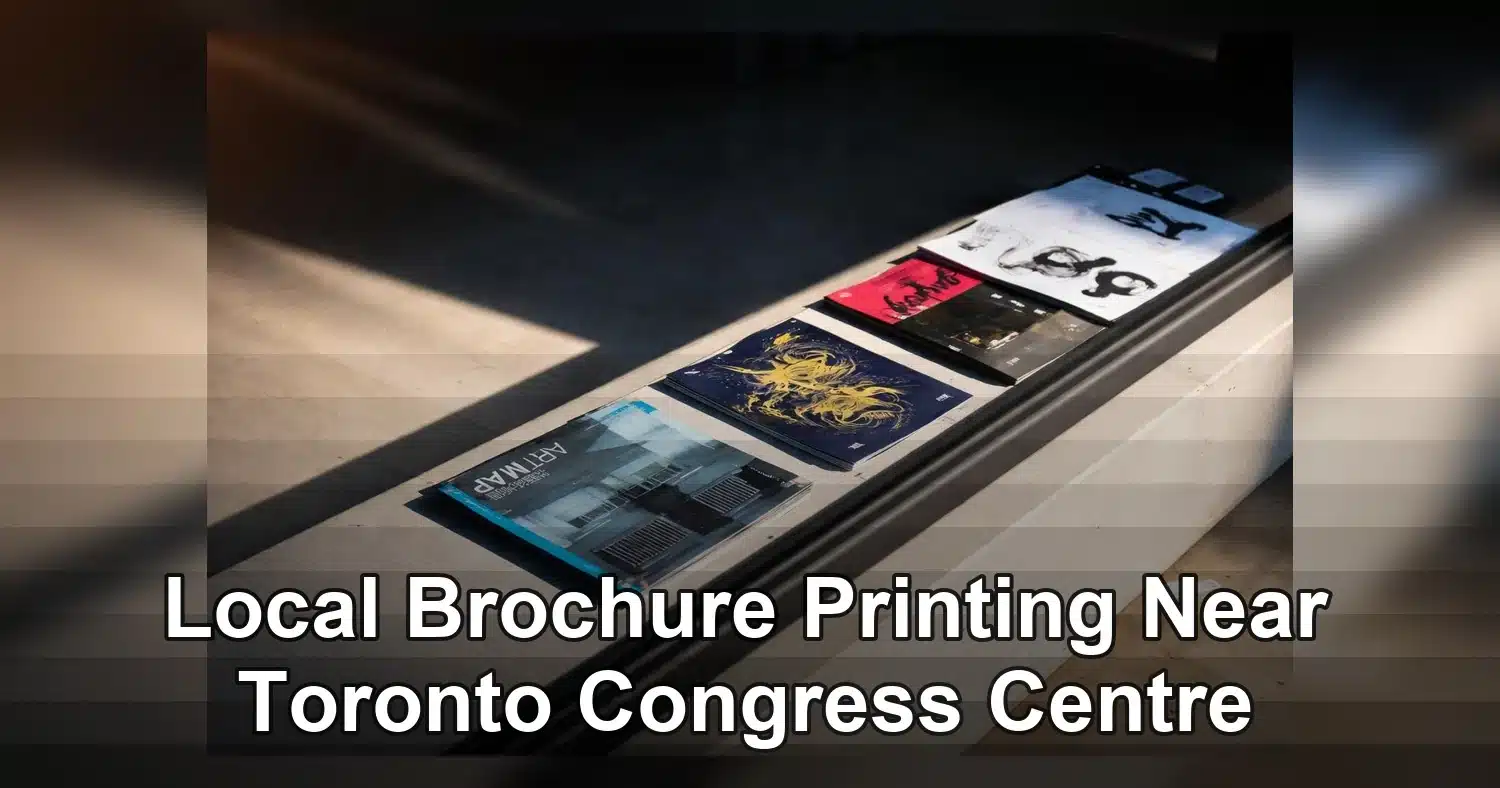
If you need local brochure printing near Toronto Congress Centre, the main advantage is control. A nearby printer can review files quickly, confirm stock availability, and get finished brochures into your hands before booth setup begins. That matters when speaker details, booth numbers, sponsor logos, pricing, or QR codes change late in the schedule. It also matters when you want to avoid courier delays and have one less moving part on a busy event week.
Last updated: April 2026
Ready to print brochure printing?
Send your artwork, quantity, and deadline to Branding Centres. We will help confirm specs, turnaround, and the best production option.
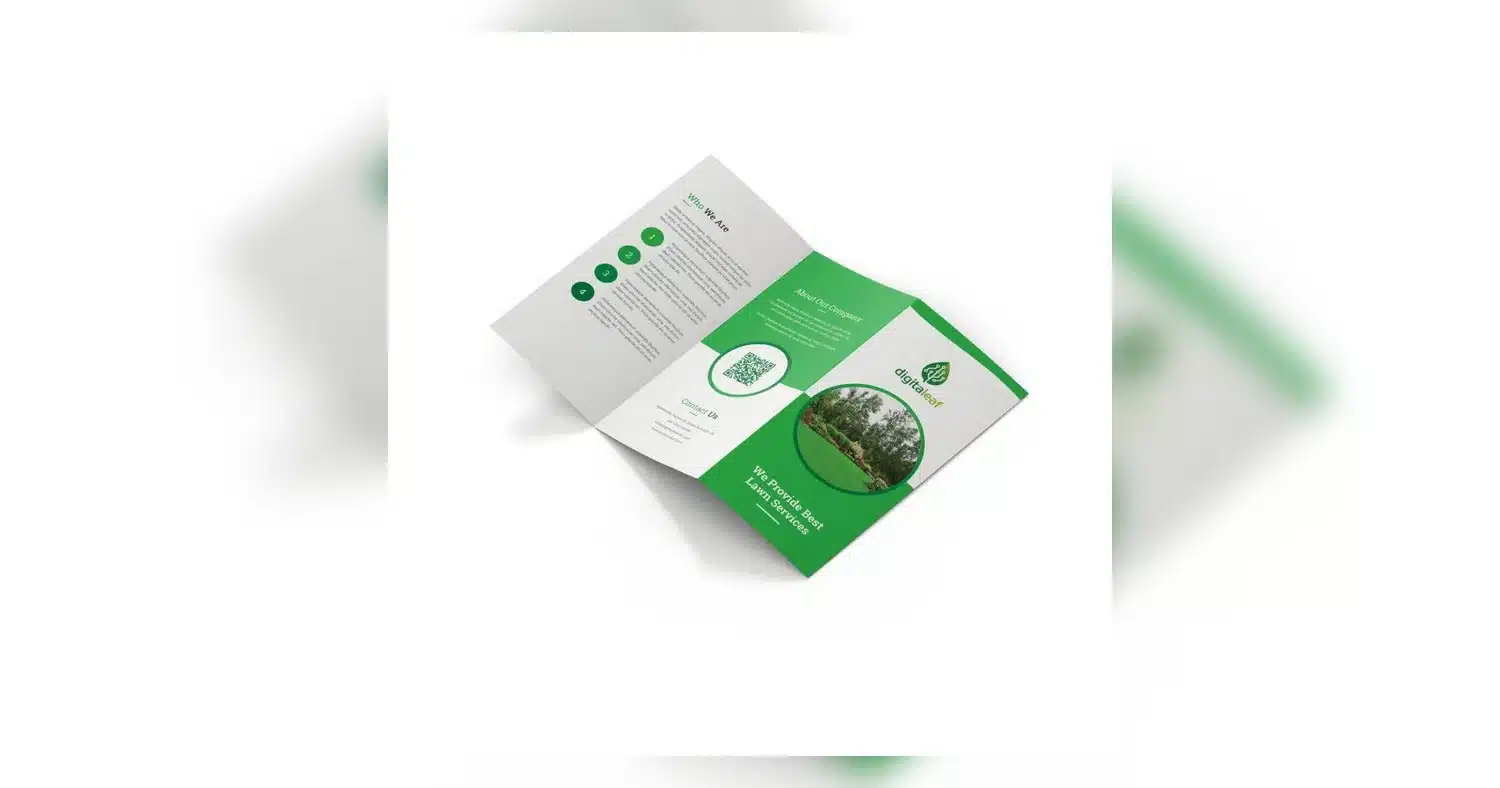
For exhibitors, conference organizers, and nearby businesses, local pickup or local delivery makes brochure planning far simpler. You can approve a proof, check colour and fold quality in person, and collect the order on a schedule that fits move-in, registration, or meeting-room setup. If you are comparing formats, start with these brochure printing options. A quick-turn approach is often the difference between a polished handout and a rushed replacement printed too late to use.
Why local brochure printing near Toronto Congress Centre is a practical choice
Trade shows and conferences move fast. Exhibitors often finish artwork close to the event, and even a small delay can affect whether brochures arrive in time. Working with a nearby print partner reduces the risk that comes with long shipping routes, missed delivery windows, or damaged boxes that need to be replaced at the last minute. It also gives you a local contact who can respond quickly when something in the file needs correction.
Local brochure printing near Toronto Congress Centre is especially helpful when your campaign depends on timing. You may need brochures for booth handouts, appointment packets, registration tables, hotel rooms, or VIP meeting spaces. Each use case can call for a different quantity and sometimes a different format. A local printer can usually handle those variations without forcing you into one one-size-fits-all order.
Another advantage is the chance to inspect the work before taking it to the venue. You can verify that the paper feels right, the folding is accurate, and the colour matches the brand. That is useful for teams that want confidence, not just speed. A brochure that looks good online should also feel credible in the hand, especially when it represents your company on a crowded show floor.
When deadlines are tight, local pickup is often safer than cross-city shipping. Even a reliable courier can run into traffic, weather, or building-access issues. Picking up brochures yourself, or arranging delivery to a nearby hotel or office, keeps the job closer to your timeline and makes it easier to resolve problems quickly if the schedule changes.
Which brochure format works best for booths, handouts, and leave-behinds?
The best brochure format depends on how much information you need to present and how attendees will use it. At a busy event, shorter formats work best for quick handouts because people can scan them in seconds. For leave-behinds and sales meetings, a more spacious format often feels more polished and memorable. If you are unsure where to begin, start with the brochure’s job, then choose the fold and page count that supports that job cleanly.
Common brochure formats and where they fit best
- Tri-fold: A strong choice for general handouts, service summaries, and quick product overviews. It is compact, familiar, and easy to stack at a booth.
- Z-fold: Useful for step-by-step stories, timelines, comparisons, or content that should unfold in a sequence.
- Half-fold: Good for premium leave-behinds, simple presentations, or event pieces that need a little more open space per panel.
- Gatefold: Best when you want a reveal effect for a launch message, featured offer, or keynote announcement.
- Multi-page brochure: Ideal for product catalogs, speaker kits, program booklets, and sales pieces with charts, case studies, or detailed specifications.
For trade show traffic, tri-fold and z-fold brochures are often the easiest to distribute because they stay compact in bags and pockets. They also work well when visitors stop at the booth for only a few moments. If you want a brochure that feels more substantial in a meeting or demo room, a half-fold or multi-page format usually makes a better impression.
If you need a format that supports both display value and practical distribution, think about the attendee’s path. Will they grab the piece while walking by, or will they sit down and read it later? A brochure that is too large can be awkward to carry, while a piece that is too small may not hold enough detail for follow-up conversations. For premium presentation needs, UV high gloss brochures can add extra visibility on a crowded table.
A useful rule of thumb is simple: use shorter folds for fast pickup and longer or multi-page layouts for deeper reading. That keeps your print budget aligned with the actual purpose of the brochure instead of overspending on features the audience may never notice.
Paper, finish, and fold choices that change cost and presentation
Paper and finish decisions influence both price and the way your brochure feels in hand. Lighter stocks and basic folds usually cost less, while heavier paper, specialty coatings, and more complex folding increase production cost. Those upgrades can be worthwhile if the brochure needs to survive a long event day, or if it must represent your brand after the attendee leaves the booth.
For busy exhibit halls, a sturdier stock often makes sense because it resists creasing inside bags and survives multiple handoffs. If the brochure is mainly an informational handout, a lighter and more economical option may be the right choice. The goal is not to choose the most expensive stock. The goal is to choose the stock that supports the message, the audience, and the event environment.
| Choice | Typical cost impact | Best use | Look and feel | Notes |
|---|---|---|---|---|
| Gloss text | Moderate | Booth handouts and product overviews | Bright, polished, colour-rich | A strong middle-ground option for image-heavy pieces, especially gloss text brochures. |
| Uncoated | Lower to moderate | Note-friendly handouts and educational pieces | Natural, writable, less reflective | Helpful when attendees may jot notes or scan dense text quickly. |
| Enviro stock | Moderate | Eco-focused brands and sustainability messages | Soft, slightly textured, less glossy | A practical fit for brands that want a more natural finish, such as enviro uncoated brochures. |
| UV high gloss | Higher | Premium launches and high-visibility promotions | Very shiny, bold, high contrast | Best when the brochure needs to stand out immediately on a crowded table. |
| Heavier paper weights | Higher | Leave-behinds and sales pieces | More rigid, substantial, premium | Often worth the upgrade when the brochure will represent your brand after the event. |
| Simple folds vs. complex folds | Lower to higher | Quick handouts vs. presentation brochures | Varies by layout and panel count | Tri-fold and half-fold are usually more economical than gatefold or multi-step layouts. |
Folding choice matters because it affects both layout planning and turnaround time. A tri-fold or half-fold is usually straightforward, while a gatefold or multi-panel piece may require more careful panel sequencing and setup. That can increase production time, but it may be worth it if the brochure needs a more dramatic reveal or a guided reading path.
For teams balancing price and presentation, a practical approach is to choose the lightest stock that still feels credible in the hand, then upgrade only where the upgrade adds value. For example, a standard gloss text brochure may be ideal for mass handouts, while a heavier coated version can be reserved for VIP meetings, buyer appointments, or post-show follow-up.
How rush brochure orders move from file upload to pickup
The fastest way to keep brochure printing on track is to send final artwork early, approve the proof quickly, and confirm pickup or delivery before production begins. When you are planning around a conference deadline at Toronto Congress Centre, even one business day can decide whether the brochures are ready for move-in or still on press.
Typical rush ordering flow
Most rush jobs follow the same sequence: file upload, preflight review, digital proof, production, and pickup or delivery. If your files are press-ready, proofing may be quick. If the artwork has low-resolution images, missing bleeds, incorrect page order, or font issues, production pauses while fixes are made. That is why local brochure printing near Toronto Congress Centre is most reliable when the design is already finalized.
What to plan for in a short timeline
- Artwork upload: Send press-ready PDFs with the correct size, folds, and bleed.
- Proof approval: Review text, QR codes, colours, and contact details before signing off.
- Production: Standard digital brochure runs can move quickly, but specialty stocks and finishes may add time.
- Pickup window: Confirm the collection time so someone is available before traffic or venue setup begins.
- Local delivery: Useful when the team is busy installing a booth or staying off-site nearby.
If your brochures are part of a larger event package, the print method matters too. Image-heavy sales pieces often benefit from a coated finish, while text-heavy educational handouts may read better on a more natural surface. A brochure on enviro uncoated stock can be a smart choice when you want a softer look and a writable surface for notes.
Rush production can still look polished if the specs are realistic. The key is to avoid last-minute design changes that force the printer to recheck every panel. When artwork is stable and the stock is in hand, turnaround becomes much more predictable.
What to compare when choosing a nearby printing company
The best nearby printer is the one that can deliver dependable quality on time, not only the one with the lowest brochure price. If you are booking local brochure printing near Toronto Congress Centre for a trade show or conference, compare the printer’s process, communication, and pickup convenience as carefully as the product itself.
Buyer checklist for event decision makers
- Turnaround reliability: Ask what cutoff time applies for same-day or rush orders.
- File support: Confirm whether they review bleeds, folds, colour profiles, and image resolution before printing.
- Print quality: Request samples to compare sharpness, colour consistency, and folding accuracy.
- Pickup convenience: Look for easy access, parking, and a pickup process that fits venue timing.
- Delivery options: Ask whether local delivery is available for hotels, offices, or event spaces.
- Proofing speed: Check how quickly digital proofs are returned and how revisions are handled.
Questions that reveal real reliability
Ask whether the shop prints in-house, what happens if a proof error is discovered late, and how partial reprints are handled if something goes wrong. A dependable vendor should be clear about stock options, production time, and pickup readiness. If your brochures are meant for a show floor handout, ask for a sample that matches your intended paper weight and finish.
Also ask how the printer manages quantity changes. Event teams often adjust counts after registration numbers shift, so flexibility matters. A printer with a broad range of brochure products can usually adapt more easily when plans change. If you are still comparing formats, review the available brochure products before requesting a quote so you can avoid last-minute specification changes.
Reviews help, but read them for specifics. Comments about on-time pickup, accurate colour, responsive proofing, and problem solving are more useful than star ratings alone. A strong local provider should be able to show consistency, not just promise speed.
Common brochure mistakes that reduce booth traffic and conversions
The most common brochure mistakes are usually simple. The message is unclear, the layout is overloaded, or the piece arrives too late to use. At a busy conference, a brochure has only a few seconds to earn attention, so both design and timing affect results.
Design mistakes that weaken response
- Weak headlines: Generic wording does not tell attendees why they should stop and read.
- Crowded layouts: Too much text, too many offers, and tiny type make the piece hard to scan.
- Unreadable QR codes: Codes that are too small, low-contrast, or placed near folds often fail at the booth.
- Poor contrast: Light text on busy backgrounds can disappear under venue lighting.
Brochures work best when they guide the reader to one clear action, such as booking a meeting, visiting a landing page, or taking a sample. If every panel tries to say everything, nothing stands out. Good visual hierarchy solves that problem. Lead with the headline, support it with one or two proof points, then finish with a specific call to action.
Print and timing mistakes to avoid
Paper choice also affects response. Thin stock can feel disposable, while the wrong finish may create glare under bright lights or make images look flat. In many cases, a balanced stock and finish perform better than an overly flashy option. For event pieces with product photography, a coated stock can sharpen the visuals. For educational pieces, a more readable surface may be the better choice.
Another common problem is ordering too late. Even if a printer offers rush service, venue schedules, pickup windows, and delivery timing can limit what is realistic. If your team depends on brochures for badge pickup, booth handouts, or follow-up packets, place the order early enough to allow proofing, a possible revision, and safe transport to the venue.
Late ordering also increases the risk of avoidable production errors. A rushed file often has missing bleeds, the wrong trim size, or a forgotten phone number. That can turn a strong campaign into wasted spend. For brochures that need to look polished on the table, a finish like UV high gloss brochures can add impact, but only if the artwork is final and approved on time.
Good brochure results come from clear messaging, readable design, realistic scheduling, and a printer that communicates well. If any one of those pieces is off, booth traffic and conversions usually drop.
A simple ordering checklist before show day
If your event is close, use a short checklist to keep the order moving. Confirm the final quantity, folded size, paper stock, finish, proof approval deadline, and pickup or delivery window near Toronto Congress Centre. Those details solve most of the problems that slow brochure jobs down.
- Final PDF is press-ready and includes bleed
- Fold type and finished size are confirmed
- Paper stock and finish match the event goal
- Quantity is based on booth traffic, not just total attendance
- Proof is reviewed for typos, QR codes, and contact details
- Pickup time or delivery address is locked in before production begins
If the show date is close, send files early and ask for a firm turnaround estimate before you commit. A nearby printer that can review files quickly and coordinate pickup can save time, reduce stress, and help your brochures arrive ready for booth traffic. For many exhibitors, that local control is worth more than a small price difference.
In the end, the best brochure is the one that reaches the right people on time, looks professional in the hand, and supports a clear next step after the event. That is exactly where local brochure printing near Toronto Congress Centre can make a measurable difference.
Related Products and Services
If you are planning a similar project, these related options may help.
- Enviro Uncoated Brochures
- Uv (High Gloss
- Gloss Text Brochures
- Brochures
Helpful External Resources
These sources provide supporting background and additional context.
How fast can local brochure printing near Toronto Congress Centre be ready for pickup?
Rush turnaround is often available, and some short-run brochure orders can be ready the same day or the next business day if the files are press-ready and the stock is available. The fastest timelines usually apply to simple formats such as flat, half-fold, or tri-fold brochures.
What brochure format works best for trade show handouts?
Tri-fold and z-fold brochures are usually the best choices for handouts because they are compact, easy to carry, and simple to scan at a busy booth. If the brochure is meant as a leave-behind after a meeting, a half-fold or multi-page layout may feel more premium.
Which paper stock should I choose for an event brochure?
Gloss text works well for image-heavy marketing pieces, uncoated stock is better if attendees need to write notes, and heavier paper adds a more substantial feel for leave-behinds. If your brand has an eco focus, an enviro uncoated option may fit the message better.
What files do I need for a fast brochure quote?
Send the final finished size, fold type, quantity, paper preference, and a print-ready PDF with bleed. If you have a deadline, mention the required pickup time or delivery address as well so the printer can confirm whether the schedule is realistic.
Can brochures be delivered to a hotel or venue near Toronto Congress Centre?
Yes, many local printers can arrange delivery to nearby hotels, offices, or event spaces. Include the full address, contact name, phone number, and delivery window so the order arrives in the right place at the right time.
Get a Free Quote Today
Contact us at +1-(416) 288-8661 or Email us at info@Brandingcentres.com and let's get started.