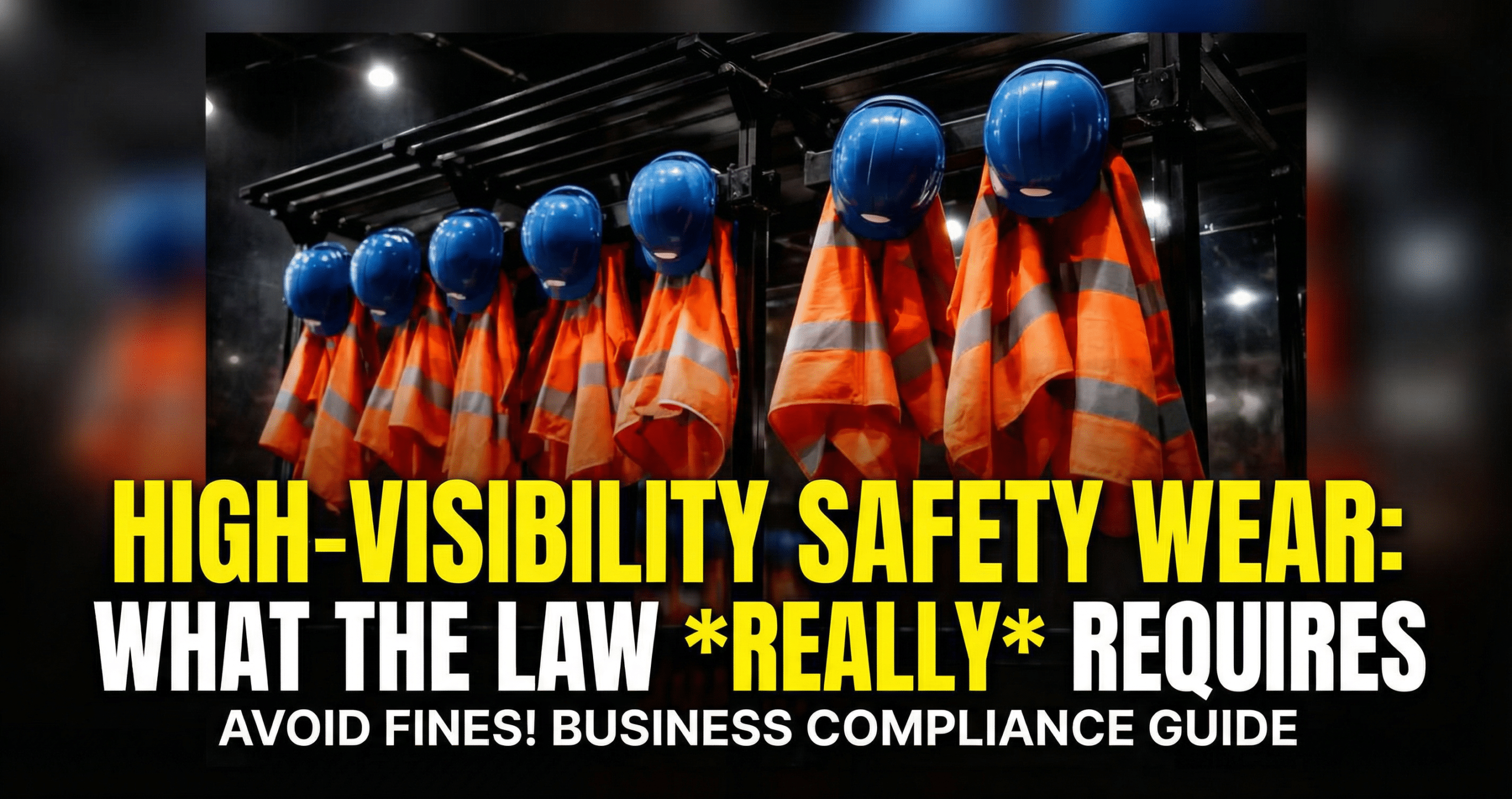
High-Visibility Safety Wear is the apparel employers use to help workers stand out around traffic, moving equipment, and low-light hazards. For business owners, the challenge is not just buying bright garments. It is matching the right item to the actual risk, then making sure the garment still meets the required visibility level after logos, weatherproofing, and daily wear are factored in.
Last updated: April 2026
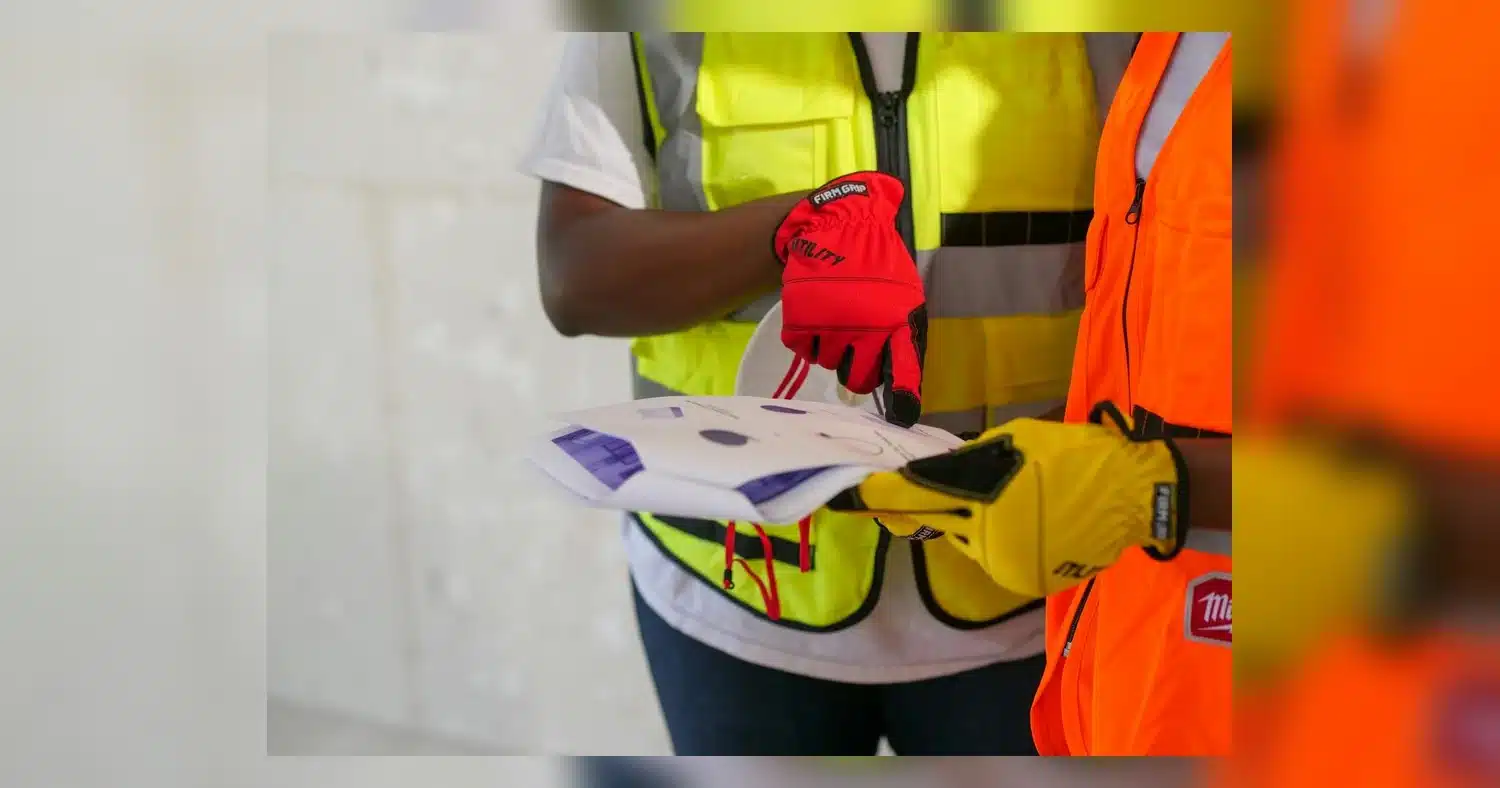
In many workplaces, High-Visibility Safety Wear is part of a broader PPE program that also includes hard hats, gloves, eye protection, and footwear. But visibility gear has a unique compliance issue: a vest can look bright on a hanger and still be the wrong choice for a roadway crew, a warehouse driver, or a winter site. The right garment depends on hazard exposure, daylight conditions, vehicle speed, and whether the worker needs full torso and sleeve visibility or only basic conspicuity.
This guide explains when High-Visibility Safety Wear is required, how OSHA expectations connect with ANSI/ISEA 107 performance classes, how to choose the right garment for roads, construction, warehouses, and night work, and how to customize apparel without reducing compliance. For a standards-focused overview, see ANSI’s overview of high-visibility safety apparel.
When High-Visibility Safety Wear Is Required
High-Visibility Safety Wear becomes necessary when a worker could be struck by a vehicle, piece of mobile equipment, or any moving hazard that makes a person hard to see. That includes obvious settings like road construction, utility repairs, traffic control, and rail work, but it also includes less obvious areas such as loading docks, distribution yards, airport ramps, landscaping near live traffic, and outdoor maintenance during poor weather.
Employers should separate three different drivers of the requirement: legal duty, contract duty, and internal policy. Legal duty comes from workplace safety rules and the hazard assessment you perform on the job. Contract duty comes from a customer, prime contractor, municipality, or site owner that specifies a class or garment type. Internal policy is the employer’s own rule, which may be stricter than the law. A company can require High-Visibility Safety Wear even in situations where it is not strictly mandated, simply because it reduces risk and keeps procedures consistent.
Situations where visibility wear is usually mandatory
- Workers are near moving vehicles, forklifts, loaders, cranes, or other mobile equipment
- The task takes place at dawn, dusk, nighttime, or in fog, rain, snow, or spray
- Employees work on or near roads, intersections, parking lots, ramps, or loading zones
- The site owner, contractor, or public agency specifies a visibility rule in the contract
A useful rule of thumb is simple: if a worker can be struck by something that is moving, then visibility apparel should be treated as required unless the site assessment clearly says otherwise. A basic fluorescent vest may not be enough for every assignment, and worn or damaged garments should never be treated as acceptable just because they are still bright enough to pass a quick glance.
Business owners managing Toronto Safety Wear programs should also plan for site variation. A crew that works indoors most of the week may still need a different garment for a one-off night road assignment. If you order custom safety wear for industrial and construction teams, confirm the job requirement before approving the artwork so the finished item matches the hazard level.
How OSHA, ANSI, and Site Rules Work Together
OSHA focuses on hazard control and employer responsibility. ANSI/ISEA 107 focuses on how the garment is built, tested, and classified. Site rules, such as a municipal traffic handbook or a contractor safety manual, may be even more specific than either one. In practice, business owners usually need to satisfy all three layers.
That means you should not think of High-Visibility Safety Wear as a generic vest purchase. ANSI sets the product benchmark for background color, retroreflective material, and garment coverage. OSHA expects employers to provide suitable protection when visibility is a hazard. A customer or contractor can then add its own requirement for a particular class, color, or reflective layout. If you miss any one of those layers, the garment may fail the job even if it looks acceptable in a catalogue photo.
One of the biggest mistakes is assuming that all bright garments are interchangeable. A mesh vest, a printed rain jacket, and a winter parka may all be high-visibility items, but they do not serve the same job. The wrong piece can leave sleeves, shoulders, or lower body areas too exposed, especially when a worker is bending, turning, carrying tools, or wearing an outer layer over the garment.
Practical compliance checklist
- Identify the actual hazard: traffic, equipment, low light, weather, or all of the above
- Review the job spec, customer rules, and any municipal or contractor requirements
- Choose the ANSI/ISEA 107 class that matches the exposure level
- Verify that logos, pockets, and printing do not cover required reflective areas
- Inspect garments often and remove faded, torn, or contaminated items from service
Keeping a written record of why each garment was selected makes reordering easier and helps supervisors explain the rule to workers. It also reduces confusion when crews move between sites with different visibility expectations.
ANSI/ISEA 107 Classes, Colors, and Reflective Features
The right High-Visibility Safety Wear depends on how close the worker is to moving hazards and how much contrast is needed for the site. The ANSI/ISEA class, fluorescent background color, and retroreflective layout all matter. In general, as the risk increases, the garment needs more visible surface area and more reflective coverage.
| Class | Typical Use | Background Color | Reflective Features | Best Business Fit |
|---|---|---|---|---|
| Class 1 | Lower-risk tasks away from active traffic | Fluorescent yellow-green or orange-red | Basic reflective trim | Suitable for controlled environments with limited vehicle exposure |
| Class 2 | Roadside support, utilities, construction support, delivery work | Yellow-green or orange-red | Broader torso striping and stronger 360-degree visibility | Common choice for workers near vehicles, docks, and dusk conditions |
| Class 3 | Highest exposure areas such as night road work or live traffic zones | Usually yellow-green for maximum contrast | Maximum reflective coverage, often including sleeves and extended surface area | Best for fast traffic, poor lighting, and complex work zones |
| Specialty outerwear and accessories | Rainwear, insulated jackets, bibs, and layered gear | High-visibility fluorescent tones | Must preserve the required reflective pattern when layered | Useful for seasonal crews and cold-weather operations |
How to choose the right garment
- Use Class 1 only when traffic exposure is low and controlled
- Choose Class 2 for most work near vehicles or equipment
- Move to Class 3 when darkness, speed, or roadside exposure increases
- Prefer yellow-green when maximum contrast is needed in mixed light
- Use orange-red only when the site standard or local practice calls for it
Reflective tape placement matters as much as color. Good High-Visibility Safety Wear shows reflective material on the torso and shoulders so the human outline is visible from multiple angles. If a garment has large graphics, dark panels, or poorly positioned pockets, the visible area may be reduced even when the item technically still looks like safety gear. For businesses ordering Toronto Safety Wear in volume, that detail is worth checking on samples before the full run is approved.
Choosing the Right Garment for Roads, Construction, Warehouses, and Night Shifts
Different worksites call for different levels of visibility. A flagger beside moving traffic needs a different garment than a forklift operator in a warehouse or a maintenance crew working in winter rain. Matching the garment to the site is one of the fastest ways to improve compliance and reduce waste.
Roads and traffic corridors
For road work, High-Visibility Safety Wear should usually have strong 360-degree reflective coverage and a fluorescent background that stands out in both daylight and headlights. Vests work for quick tasks or lower exposure, but shirts, rainwear, and jackets are better when the crew is facing repeated traffic, spray, or changing weather. In high-risk zones, Class 3 garments are often the safer choice because they create a larger visible outline at greater distances.
Construction sites
Construction crews need garments that can handle abrasion, bending, kneeling, and dust without losing visibility. A lightweight vest may work for a supervisor or visitor, but active workers often need something more durable. Shirts, pullovers, and jackets with properly placed reflective striping are usually better for laborers who move through multiple job zones during a shift. If you are planning a company-wide issue, it helps to standardize by role so the crew knows exactly which item to wear on each type of site.
Warehouses and indoor operations
Indoor teams usually need lighter High-Visibility Safety Wear that improves machine recognition without making the worker overheat. Mesh vests, lightweight shirts, and simple pullovers are common around forklifts, pallet jacks, loading doors, and staging areas. The goal is contrast against shelving, pallets, vehicles, and floor markings, especially in areas where lighting changes from bright docks to dim storage rows.
Night shifts and winter conditions
Night work needs garments that perform under headlights, dock lamps, and other focused light sources. Winter crews need insulated jackets or layered systems that keep reflective zones exposed instead of hiding them under dark coats. If a worker throws a non-compliant outer layer over the safety garment, the visibility advantage can disappear. For cold-weather programs, choose outerwear that keeps the reflective bands on the chest, back, and sleeves visible when the worker is carrying tools or wearing gloves.
That is also where planning matters for Toronto Safety Wear. If your crews move between dry indoor work and winter outdoor work, one garment style will not fit every day. Build a small approved list of workwear by season so the right item is always available at the right time.
Custom Safety Wear Without Losing Compliance
Custom Safety Wear can include logos, employee names, department labels, and location identifiers, but the decoration must not reduce the garment’s visibility performance. The safest approach is to treat branding as a design step, not an afterthought. Decide where the logo will go, how large it will be, and whether it interferes with the fluorescent background or reflective zones before you order the run.
Where logos usually work best
Good placement options often include the upper chest, upper back, shoulder area, or small sleeve areas, depending on the garment. Smaller marks are usually easier to integrate than large full-panel graphics. The key is to keep the reflective bands on the torso and sleeves fully visible and not break the high-contrast zones that make the garment work in low light.
What can cause problems
Oversized graphics, dark ink, and heavy decoration can overwhelm the fluorescent background. Logos that sit on top of reflective striping can interrupt the visibility pattern and make the garment harder to see. Embroidery, patch work, and heat-applied graphics should also be tested for durability so they do not crack, peel, or distort the garment after repeated washing and site wear.
How to customize safely
- Keep all required reflective bands fully exposed
- Use small, clear logos that do not cover safety zones
- Choose print or thread colors that contrast without blending into the garment background
- Review physical samples in daylight and artificial light before approving a full order
For employers building Toronto Safety Wear programs, this is the best way to balance identity and compliance. Brand the garment, but never at the expense of the reflective layout or the visibility class required for the job.
What Affects Price, Lead Time, and Reorder Planning
High-Visibility Safety Wear pricing depends on garment type, fabric quality, reflective coverage, decoration, and order size. A basic mesh vest costs less than a lined winter parka because the parka uses more material, more labor, and more features such as zippers, insulation, sealed seams, or hoods.
Main cost drivers
- Garment type: Vests are usually the lowest cost, while jackets, bibs, and rainwear cost more
- Compliance level: More reflective material and higher coverage usually increase the price
- Decoration: Logos, names, and multiple print locations add setup and application cost
- Fabric features: Moisture-wicking, insulated, waterproof, or flame-resistant options are typically more expensive
- Order quantity: Larger runs often reduce the unit price
Lead time and minimums
Stock items usually ship faster because they do not require proofing or production setup. Custom Safety Wear often takes longer because artwork must be approved, sizes confirmed, and decoration scheduled. That lead time matters most when a team needs seasonal outerwear before the weather changes or when a new contract starts sooner than expected. If your operation depends on repeat purchases, ask whether the same model will stay available across seasons so reorders match the original issue.
Reorder planning for crews
Keeping a simple size and style record saves time and money. Track the garment type each employee wears, the size they need, and the role they perform. That way, replacements can be ordered quickly when garments wear out or staff changes occur. It also helps to keep a small buffer of common sizes on hand, especially medium through extra-large, because those are often the fastest to deplete.
It is also smart to separate stock inventory from branded issue pieces. Stock High-Visibility Safety Wear can cover visitors, new hires, and emergency replacements, while decorated garments can be reordered in planned batches. That approach reduces rush charges and makes the program easier to manage.
Common Compliance Mistakes
Most compliance failures with High-Visibility Safety Wear are ordinary mistakes that happen over time. They are rarely dramatic, but they can have serious consequences when a worker is in a traffic path or near equipment.
Buying the wrong garment for the task
The most common error is choosing a vest that is too light for the exposure level. A garment that works in a warehouse may not be suitable for roadside work, night shifts, or areas with faster moving vehicles. Another common mistake is trying to use one item for every season and every job. A winter crew, a summer crew, and a visitor group often need different solutions.
Poor fit and bad layering choices
High-Visibility Safety Wear must stay in place to work. If it is too loose, it can shift, snag, or hide reflective areas under tools, harnesses, or open jackets. If it is too small, workers may not close it properly over winter clothing. Dark outerwear worn over the safety garment can erase the entire purpose of the item.
Dirty, damaged, or altered reflective areas
Dirt, oil, dust, paint overspray, and grime all reduce visibility. So does faded fluorescent fabric after repeated washing or heavy sun exposure. Employers also create problems when embroidery, sewn-on pockets, or printed graphics cover parts of the reflective layout. Garments should be inspected often and removed from service when the reflective zones no longer perform properly.
Keeping gear in service too long
Many teams replace gloves and hard hats on time but let visibility garments stay in circulation long after they should be retired. Signs that a garment should be removed include cracked or peeling tape, broken zippers, torn mesh, failed closures, stains that cannot be cleaned off reflective material, and home repairs that change the original design. A simple inspection schedule by role and season is one of the easiest ways to stay ahead of that problem.
If your company uses branded gear across multiple departments, use the same inspection habit for all safety wear so decoration choices do not turn into a compliance issue.
Toronto Safety Wear Buying Checklist for Managers and Procurement Teams
For Toronto buyers, High-Visibility Safety Wear should be treated like a specification purchase, not a generic apparel order. The best results come from asking the right questions before the quote is approved.
1. Confirm the use case
- Identify who will wear the garment, such as road crews, warehouse staff, construction labour, drivers, flaggers, or night-shift teams
- Note day versus night use, traffic exposure, weather, and whether winter layering is needed
- Separate visitor garments from daily workwear so the lowest-cost stock does not end up in the wrong role
2. Ask vendors for technical details
- What ANSI/ISEA class does the item meet?
- How much reflective material is included and where is it placed?
- Will branding reduce visible coverage in any way?
- What fabric weight, closure type, and pocket layout are included?
- Can the same style be reordered later in common and extended sizes?
3. Review samples before bulk ordering
Do not approve a large run from a mockup alone. Have workers try the sample over hoodies, rain gear, or winter layers. Check visibility from the front, back, and sides in daylight, low light, and around headlights. If the garment will be customized, confirm that the logo placement still leaves the reflective zones clear and easy to see.
4. Get documentation in writing
- SKU-level spec sheets
- Written confirmation of compliance features
- Care and wash-life instructions
- Decoration approval showing exact placement
- Replacement and reorder details for future batches
5. Pilot before scaling up
For larger Toronto Safety Wear programs, test a small group first. Track comfort, durability, wash performance, and whether the crew actually wears the garment correctly in the field. A cheaper item that stays in the truck is usually more expensive than a better garment that workers keep on throughout the shift.
Before you place the next order, match the garment to the hazard, confirm the needed visibility class, and review samples for fit, reflective placement, and branding location. That process keeps High-Visibility Safety Wear practical, compliant, and easier to reorder across multiple crews.
If you are planning branded garments, use a structured review process so custom artwork does not interfere with visibility. That is the safest way to build a dependable Toronto Safety Wear program for construction, logistics, utilities, and field operations.
Related Products and Services
If you are planning a similar project, these related options may help.
- Custom Safety Wear Industrial Construction Guide
- Uv (High Gloss
Helpful External Resources
These sources provide supporting background and additional context.
When is High-Visibility Safety Wear legally required?
High-Visibility Safety Wear is typically required when workers are exposed to moving vehicles, mobile equipment, or low-light conditions that make them hard to see. Employers should assess the jobsite, review any contract or site rules, and provide visibility apparel that matches the hazard level.
How do I know whether my team needs Class 1, Class 2, or Class 3?
Class 1 is for lower-risk work with limited traffic exposure. Class 2 is common for most roadside, warehouse, delivery, and utility tasks. Class 3 is for the highest-risk situations, especially night work, fast traffic, and complex roadside operations. The more exposure a worker has, the more coverage they usually need.
Can I add logos to compliant High-Visibility Safety Wear?
Yes, custom logos are usually allowed if they do not cover reflective tape or reduce the visible fluorescent area below the required level. Keep branding in areas that do not interfere with the front, back, or sleeve visibility zones, and review a physical sample before placing a large order.
How often should high-visibility garments be replaced?
Replace garments when they fade, tear, lose reflective performance, or become contaminated in a way that cannot be cleaned. There is no single universal timeline, so inspection frequency should be based on job intensity, weather, and wash cycles. Heavy-use garments generally need replacement sooner.
What is the biggest mistake employers make with High-Visibility Safety Wear?
The biggest mistake is assuming any bright vest will work for every job. The right garment depends on the hazard, the environment, and the required ANSI/ISEA class. Another common error is letting dirty, damaged, or poorly customized garments stay in service too long.
Get a Free Quote Today
Contact us at +1-(416) 288-8661 or Email us at info@Brandingcentres.com and let's get started.