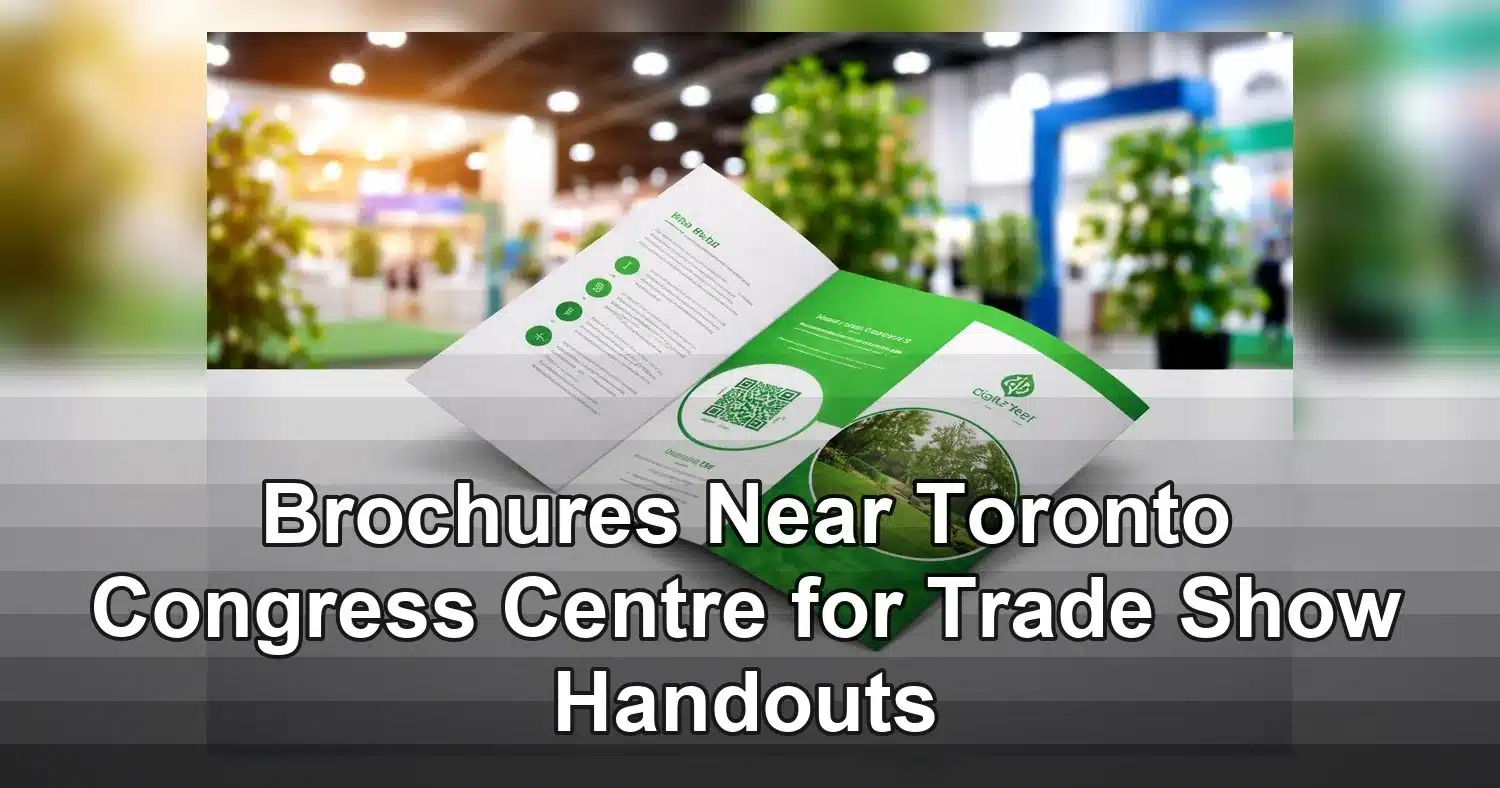
For exhibitors heading to the venue, ordering brochures near toronto congress centre locally is usually the safest way to get handouts that are easy to carry, quick to read, and ready before move-in. A good brochure gives booth staff a simple leave-behind for busy visitors, supports follow-up after the show, and reduces the risk of shipping delays when the schedule is tight. The best results usually come from a compact format, sturdy stock, and a printer that can proof quickly and deliver close to the event date.
Last updated: April 2026
Ready to print brochure printing?
Send your artwork, quantity, and deadline to Branding Centres. We will help confirm specs, turnaround, and the best production option.
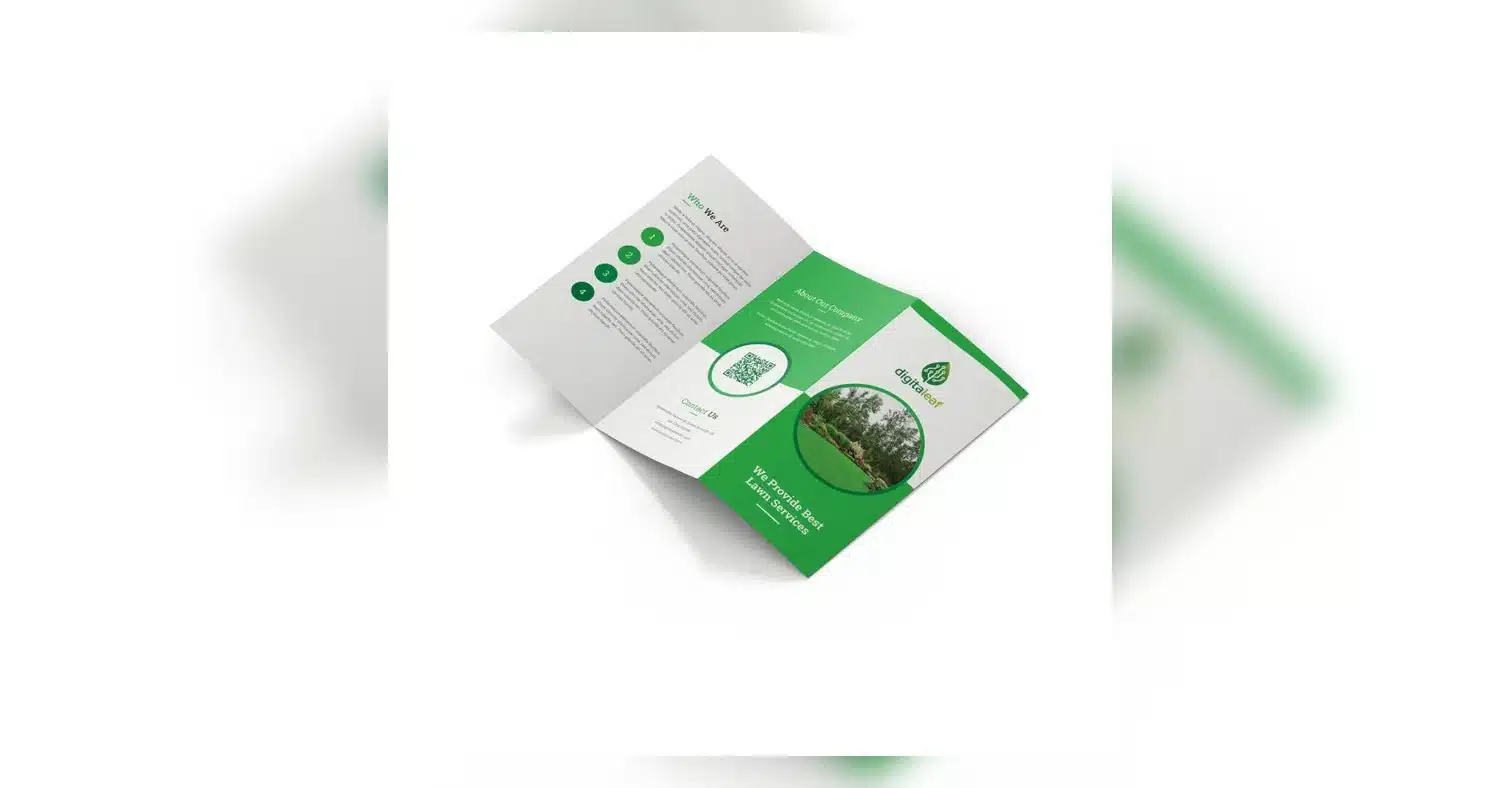
When you compare options, focus on how the brochure will be used on the floor, not just on the press sheet. A piece that looks polished, folds cleanly, and answers buyer questions in seconds is worth more than a larger run that arrives late or feels flimsy. Many local printers offer brochure printing options, short-run production, and practical finish choices that fit trade show budgets. Others can coordinate pickup or delivery near the venue, which matters when your team is balancing setup, shipping, and last-minute booth prep.
Brochures near Toronto Congress Centre: why they still work on a crowded show floor
Printed brochures still perform well because they are immediate, portable, and easy to revisit after the booth conversation ends. On a busy aisle, visitors rarely have time for a long explanation. They may ask one or two quick questions, take a brochure, scan a QR code, and keep moving. A printed handout keeps your message in their hands after the noise, crowding, and distractions of the floor fade out.
That physical presence matters. A brochure does not depend on Wi-Fi, battery life, or an attendee remembering your company name from a quick encounter. It gives them a place to review service details, product categories, pricing cues, and contact information later in the day. For many exhibitors, that follow-up value is the real reason to invest in brochures near toronto congress centre rather than relying only on screens or verbal pitches.
What makes a brochure useful after a booth visit
The best brochures are not just attractive, they are functional. They help a prospect take the next step once the show day is over and the pressure of the floor is gone. That could mean booking a demo, requesting a sample, sharing the piece with a colleague, or checking a pricing page after they get back to the office.
- They are easy to carry in a tote, folder, or jacket pocket.
- They can explain one offer clearly without overwhelming the reader.
- They support sales follow-up with a consistent leave-behind.
- They can point visitors to a landing page, rep contact, or campaign offer.
For Toronto exhibitors, the real value is speed plus polish. Local brochure printing can produce clean, professional handouts without forcing you to ship materials across the country. If your event timeline is tight, that combination is often more important than saving a small amount on unit cost. Fast brochure turnaround also helps when booth traffic estimates change and you need to raise the quantity before show day, as seen in Toronto brochure printing services.
A brochure only earns its keep if people want to keep it. If it answers common buyer questions, shows your offer clearly, and makes the next step obvious, it continues working long after the attendee leaves the hall.
Brochure formats that work best for trade show handouts
The right format depends on how much information visitors need, how quickly staff need to hand it out, and how much detail buyers are likely to review later. For a busy exhibition environment, the brochure should be simple to grab, fast to skim, and easy to understand at a glance. It should also match your follow-up plan so the handout supports whatever happens after the event.
| Format | Best use case | What it does well | Follow-up value |
|---|---|---|---|
| Tri-fold brochure | General booth handout with a clear service overview | Compact, familiar, and easy to divide into sections | Good for a QR code, contact page, or rep handoff |
| Bi-fold brochure | Premium service, product spotlight, or concise company story | More open space for visuals and larger panels | Works well when you want a polished leave-behind with a strong call to action |
| Z-fold brochure | Step-by-step messaging, timeline, or feature sequence | Reads in a natural flow without forcing the reader to jump around | Useful for explaining onboarding, product steps, or service stages |
| Gate fold brochure | Launches, high-end products, or display-led presentations | Creates a reveal effect and gives a memorable first impression | Best when the brochure needs a premium feel |
| Multi-page brochure | Large product lines, technical details, or multiple offer types | Holds more content without crowding the page | Strong for post-show review when buyers need specs, comparisons, or next steps |
How to choose the right brochure format
Choose a tri-fold if your team needs the fastest and most practical handout. It is a dependable choice for trade show brochures because it gives enough room for benefits, services, and contact details without becoming bulky or awkward to stack on the table.
Pick a bi-fold if you want a more open layout with larger visuals, or if the brochure needs to feel more premium. Gate folds work well for launches or product reveals because the center panels create a sense of anticipation. Z-folds are a strong fit when the content should read in a sequence, such as problem, solution, process, and result. If you have a broader product line or more technical details to present, a multi-page piece paired with product brochure printing can keep the information organized and easier to review later.
Format and follow-up should support each other
The brochure should not stop at looking good on the booth table. It should make the next action obvious. Leave room for a QR code, a short URL, a named contact, or a show-specific offer that connects directly to your sales process. If a visitor takes the brochure home, the piece should still make sense after the conversation is over, which is why structure matters as much as design.
Paper, fold, and finish choices that survive a busy show floor
The best brochure stock for a trade show needs to feel sturdy without becoming difficult to carry. Visitors often leave the floor with catalogs, samples, business cards, and other handouts, so a brochure that is too flimsy may look disposable, while one that is too heavy may feel inconvenient. For event handouts, paper weight, coating, and fold style all affect durability, readability, perceived value, and the likelihood that the piece survives the rest of the day in a tote bag or briefcase.
Most exhibitors do well with a mid-weight stock that feels substantial in the hand and resists wrinkling. Coated stock can improve scuff resistance and make color imagery look sharper. Uncoated paper offers a softer look and can be useful when the team wants a surface that feels more natural or can be marked with notes. For brands that want a matte presentation and a less glossy texture, enviro uncoated brochures are often a good fit.
Stock weight and handling
A lighter sheet may lower the cost, but it can feel thin when the audience is carrying multiple pieces at once. Heavier stock feels more premium and usually holds up better through repeated handling, but it should still fold cleanly and sit flat without cracking along the fold line. The right balance depends on whether the brochure is a fast handout or a higher-value leave-behind.
- Approx. 100 lb text, about 148 gsm, is flexible and cost-conscious for large handouts.
- Approx. 80 lb cover, about 216 gsm, is sturdier and more durable for premium leave-behinds.
- Heavier cover stocks work best for fewer pieces, higher-value meetings, or luxury branding.
Coating and finish choices
Gloss finishes boost color and help images stand out under convention lighting. They also tend to resist scuffing better than uncoated sheets, which helps when brochures are handled repeatedly throughout the day. If your visuals are product-driven or highly photographic, gloss text brochures can provide a strong balance of cost, color, and durability.
Matte and satin finishes reduce glare, which can make reading easier under overhead lights. They often feel more restrained and professional, so they can be a strong choice for financial, legal, industrial, or consulting brands. Higher-shine finishes can look striking, but they are not always the best fit when visitors need to read quickly and make notes during the show.
Fold style and durability
The fold should support the content and avoid crowding. A brochure that is packed with too much copy will not fold cleanly and may feel difficult to read. Sharp, consistent folds help the piece sit neatly on a counter and open smoothly during a conversation, which makes the handout feel more professional.
- Tri-fold: reliable for standard booth distribution.
- Bi-fold: better for larger visuals and easier page turns.
- Z-fold: useful when you want a step-by-step reading order.
Before approving production, review one folded sample for alignment, edge wear, and whether the piece still feels easy to hand out in stacks. The goal is a brochure that looks polished, survives the event, and still reads clearly after repeated handling.
How fast local brochure printing can happen before show day
The short answer is that brochures near toronto congress centre can often be produced in one to three business days, but only if your files are press ready and you are flexible on stock, fold, and finishing. If you need the order faster, a very simple spec and early approval window can make all the difference.
Typical timeline to expect
For standard trade show brochures, a realistic schedule often looks like this:
- Same day to 4 hours: file review, quote approval, and proof approval
- Next business day: simple flat pieces or basic bi-folds on common house stocks
- 2 to 3 business days: most folded brochures with trimming, scoring, and packing
- 3 to 5 business days: larger quantities, specialty stocks, coatings, or corrections after proofing
If you are ordering just before move-in, the safest route is a standard size, a common paper, and no unusual finishing. Some Toronto shops do offer same-day brochure printing options, but those jobs usually work best when the files are already press ready and the quantity is limited.
What slows an urgent order down
Most delays happen before the press starts. Missing bleed, low-resolution images, last-minute copy edits, and unclear fold panels can all add half a day or more. If multiple people need to approve the proof, build that time into the schedule before the event week begins. Press time is only part of the process, because folding, bundling, boxing, and labeling for pickup also take time.
How much buffer to leave before the event
For trade show brochures, the safest approach is to approve artwork three to five business days before setup day. That gives room for one proofing round, a print rerun if needed, and either pickup or local delivery to the venue area. It also reduces the chance that a small edit turns into a costly rush charge.
- Lock the content first, especially dates, booth number, QR code destination, and contact details.
- Ask for a firm cutoff time for proof approval.
- Confirm whether pickup is from the printer, a courier hub, or direct delivery near Toronto Congress Centre.
- Order 5 to 10 percent extra for damaged handouts, VIP meetings, and post-show follow-up packs.
If you expect changes right up to show week, choose from standard brochure product options and keep the spec simple. That gives you a better chance of getting event handouts printed on time without paying rush fees for every revision.
What drives pricing for Toronto Congress Centre brochure orders
The biggest price drivers are quantity, paper stock, fold style, color coverage, finishing, and turnaround. If you understand those items, budgeting for brochures near toronto congress centre becomes much easier and far less guesswork driven.
Quantity and setup costs
Brochure pricing is not always linear. The first batch includes setup, file handling, and press preparation, so 500 copies may not cost much less than 1,000. That matters for exhibitors who are unsure how many handouts to bring. If your booth traffic forecast is strong, ordering slightly more often lowers the per-piece cost and reduces the risk of running out mid-show.
Paper choice changes the budget fast
Stock has a major effect on both price and feel. Lighter text stocks are economical and easy to fold, while heavier premium sheets raise the total quickly. Coated stocks help photography and graphics stand out, while uncoated options can suit brands that want a softer texture or a surface that is easier to write on.
If your handout is image-heavy and meant to look polished under exhibition lighting, gloss stock is often a practical mid-range choice. It usually balances visual impact with manageable cost better than very heavy premium papers. If your brochure needs a more natural finish, a matte or uncoated stock may be the smarter choice even if it does not deliver the same shine.
Color, finish, and folding
- Full color both sides is standard for most trade show brochures, but it costs more than simpler coverage.
- Heavy ink coverage, such as dark backgrounds or solid color blocks, can increase production complexity.
- Special finishes, including gloss coatings and premium treatments, add cost and time.
- Folding usually adds scoring and finishing labor, which makes folded brochures pricier than flat sheets.
Rush turnaround and delivery
Urgent orders almost always cost more. Short timelines can limit stock choices, trigger rush press scheduling, and require courier service to the venue area. If your team needs brochures delivered to a hotel, warehouse, or exhibitor service desk, confirm that charge early so the final quote reflects the full job.
A simple way to budget is to request two quotes, one standard and one rush. That lets you see whether speed, paper, or quantity is the biggest cost driver for your trade show brochures and helps you decide where to simplify the spec.
Design choices that make attendees keep your handout
The most effective trade show brochures are easy to scan in under 10 seconds and useful enough to revisit after the event. If the piece does not quickly answer what you do, who it is for, and what to do next, it usually gets tossed before the attendee reaches the next aisle.
Lead with one clear promise
Your headline should state a real benefit, not a vague slogan. Instead of leaning on brand language alone, use a line that names the outcome, audience, or problem solved. A strong subhead can then add context such as the industries served, turnaround time, service area, or a key differentiator.
Use the panel layout strategically
Most event handouts work best when the front panel acts like a mini billboard and the inside panels answer the next logical questions. Keep the reading path simple and predictable:
- Front panel: what you do and who it is for
- Inside left: the main problem you solve
- Inside middle: core offer, product line, or service package
- Inside right: proof points such as clients, certifications, or results
- Back panel: contact details, booth number, and call to action
Include details people actually use after the show
Attendees keep brochures when the piece helps them take the next step later. Include a QR code that goes to one specific landing page, not your general homepage. Add a show-only offer, sample request, or consultation incentive if that fits the campaign. Make your booth number, rep contact details, and follow-up route easy to find without unfolding the entire piece.
- One QR code that leads to a single, relevant landing page
- A clear show offer, sample request, or demo booking incentive
- Booth number and direct contact details
- A short product comparison, pricing range, or service map if useful
- Fast social proof, such as a few client logos or one testimonial line
Common design mistakes to avoid
The fastest way to weaken brochures near Toronto Congress Centre is to overcrowd them. Tiny type, too many service lists, multiple QR codes, and generic calls to action all reduce follow-up. One main call to action, such as book a demo, request a quote, or scan for pricing, is usually stronger than several competing messages. If your brochure is part of a larger campaign, keep the same headline, colors, and offer across signage, landing pages, and handouts so people recognize the brand later.
Common brochure mistakes exhibitors should avoid
The biggest brochure failures at trade shows are usually preventable: poor file quality, overcrowded copy, unclear layout, the wrong finish, and last-minute approvals. If you are ordering brochures near toronto congress centre, these issues can make your handout look cheap, confuse attendees, or miss the delivery window entirely.
1. Sending low-resolution artwork
A brochure that looks sharp on screen can still print soft, blurry, or pixelated. Photos should generally be 300 dpi at final size, logos should stay in vector format when possible, and backgrounds need bleed so nothing gets trimmed awkwardly. Small issues become obvious under trade show lighting, especially on glossy stock.
Before release, check that images are high resolution at final print size, colours are prepared for print, bleed and safe margins are included, and fonts are embedded or outlined.
2. Cramming in too much copy
Trade show brochures are not sales manuals. Attendees walking the floor are usually looking for three things: what you do, who it is for, and why they should talk to you now. Dense paragraphs, tiny type, and too many offers usually reduce response. A better structure is one strong headline, three to five benefit points, one proof element, and one clear call to action.
3. Using weak visual hierarchy
If every element is the same size and weight, nothing stands out. Your company name, main benefit, and next step should be visible in seconds from arm’s length. Use contrast, spacing, and headings to guide the eye. On busy event handouts, clarity almost always beats decorative design.
4. Picking the wrong paper or finish
The finish should match the use case. A premium shine can help visuals pop, but glare and fingerprints may be a problem for some brands. A writable matte or enviro uncoated brochure can work better when reps want to add notes. For image-heavy trade show brochures, gloss stock often fits better than thin copier paper.
5. Approving too late
Late sign-off is one of the fastest ways to create rush fees, limited stock choices, or missed booth deadlines. In the GTA, same-day or next-day brochure service is usually tied to press-ready files and early cutoff times. If legal, sales, and management all need approval, build that into the schedule before show week begins. Finalize content first, then check the folded layout, then release to print only after someone reviews trim, contact details, QR codes, and quantities.
For a better event handout, confirm your quantity, fold style, paper stock, QR code destination, and pickup or delivery window before artwork is finalized. That gives you time for at least one proof round, helps avoid rush fees, and makes sure the brochure is ready for booth traffic instead of becoming a last-minute print problem.
When the goal is to support sales at a busy venue, the best brochure is the one that is easy to understand, simple to carry, and fast to produce locally. If your event date is approaching, a quick review with a print partner can help you choose the most practical format for your deadline and budget.
Related Products and Services
If you are planning a similar project, these related options may help.
- Enviro Uncoated Brochures
- Uv (High Gloss
- Gloss Text Brochures
- Brochures
Helpful External Resources
These sources provide supporting background and additional context.
How fast can brochures near Toronto Congress Centre be printed for a trade show?
Simple jobs can sometimes be produced the same day or the next business day, but most folded brochures need one to three business days. The fastest orders use press-ready files, standard stocks, and a straightforward fold.
What brochure format works best for event handouts?
A tri-fold is the most practical choice for many exhibitors because it is compact, familiar, and easy to hand out in stacks. If you need more room for product details or a stronger premium feel, a bi-fold, Z-fold, or multi-page format may be a better fit.
What paper stock should I choose for trade show brochures?
Mid-weight coated stock is a strong all-around option because it balances durability, color quality, and cost. Choose uncoated paper if you want a softer look or need people to write notes on the brochure, and choose heavier stock if the piece must feel more premium.
How much time should I leave before the event?
The safest plan is to approve artwork three to five business days before setup day. That leaves room for proofing, a correction if needed, and local pickup or delivery near the venue without paying avoidable rush fees.
What file setup is best when ordering brochures near Toronto Congress Centre?
Send a high-resolution PDF with bleed, keep critical text inside the safe area, and make sure fonts are embedded or outlined. If the file is already clean and final, the printer can move faster from proof to production.
Get a Free Quote Today
Contact us at +1-(416) 288-8661 or Email us at info@Brandingcentres.com and let's get started.