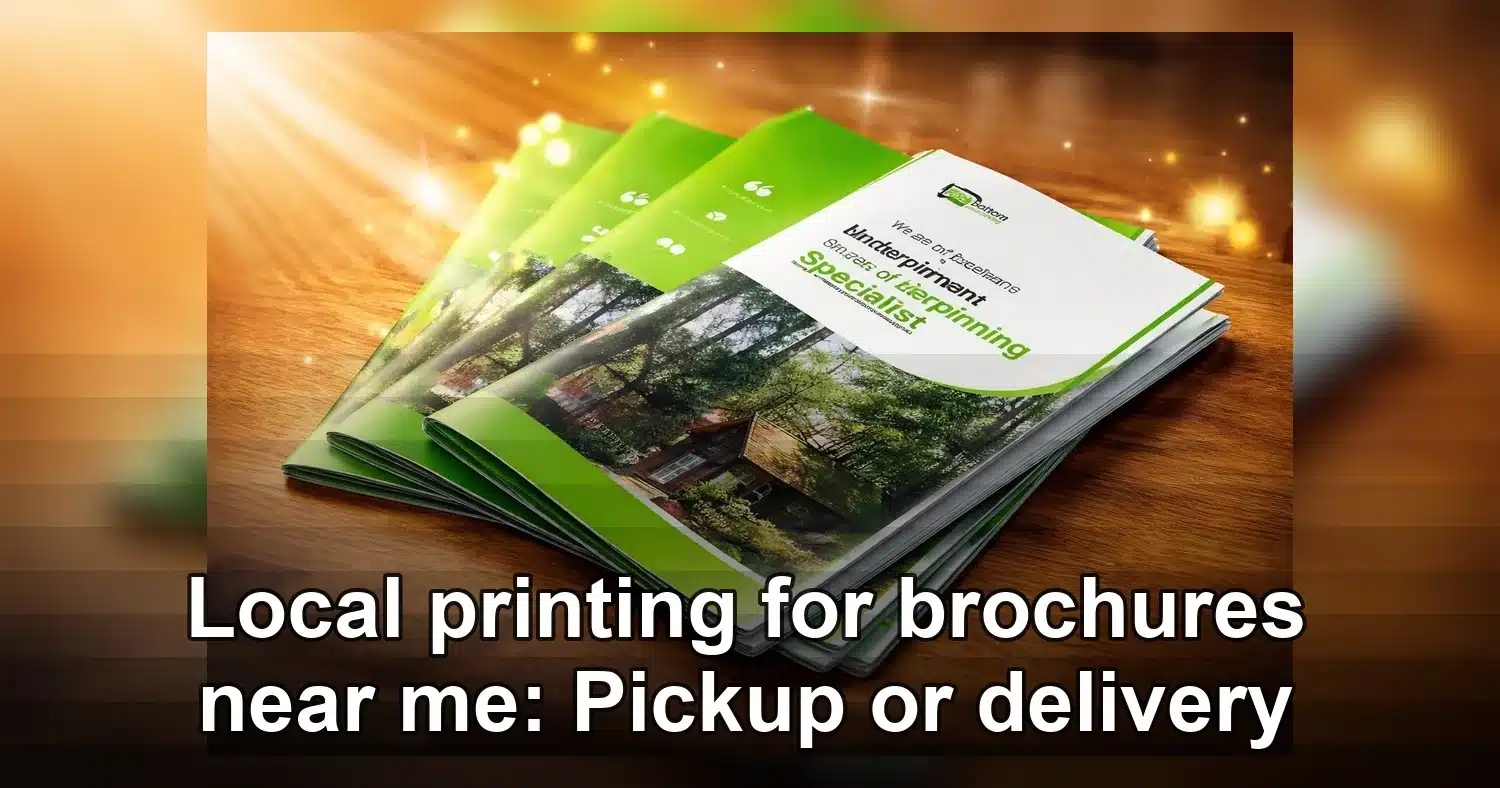
If you are searching for brochures near me, the best local printer is usually the one that can meet your deadline, keep your branding accurate, and make pickup or delivery easy enough that the order does not become a project of its own. For small businesses, that often means comparing nearby providers on proofing speed, print quality, paper choices, fold options, minimum quantities, and how reliably they can support storefront promotions, sales packets, event handouts, and neighborhood mail drops.
Last updated: May 2026
Ready to print brochure printing?
Send your artwork, quantity, and deadline to Branding Centres. We will help confirm specs, turnaround, and the best production option.
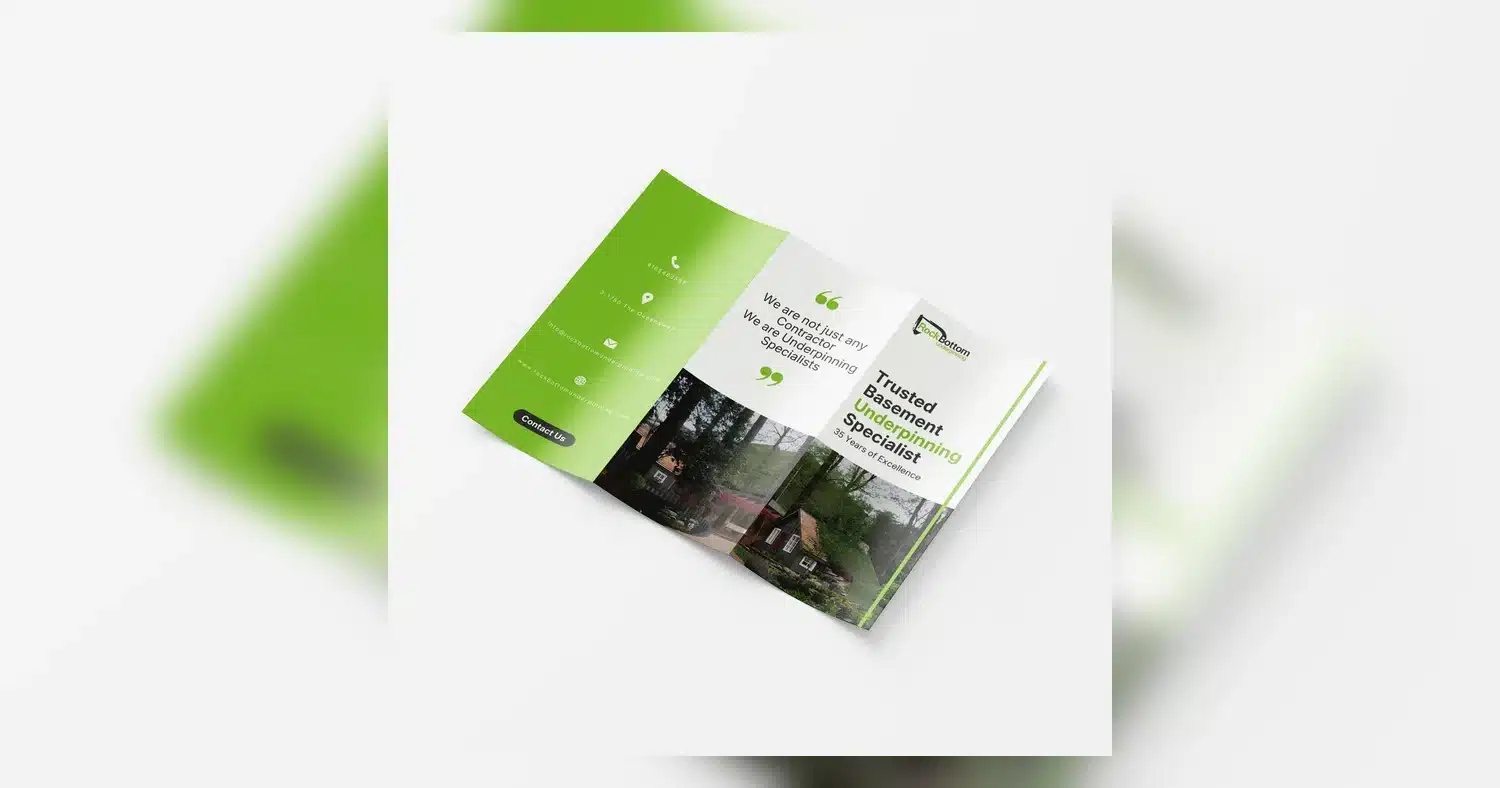
Local brochure printing is often the smarter commercial choice when timing matters. You can confirm details faster, fix file problems before they create delays, and choose fulfillment that fits the schedule for your team. Some printers even offer accelerated production for select brochure jobs, as shown by same-day brochure services. It also helps to think about finish choices early. For example, matte finish brochures can be a strong fit when you want a clean, professional look that reads well under bright indoor lighting.
What to expect when you search brochures near me
If you search for brochures near me, the biggest advantage of a local printer is speed combined with accountability. A nearby shop can usually help you confirm paper, color, folds, and timing in a way that a generic online checkout flow cannot. That matters when the brochures need to be in hand for a trade show, open house, restaurant promotion, staff meeting, or product launch.
How local brochure printers differ from large online platforms
With brochure printing near me, you are often working with a team that understands local deadlines and practical use cases. A nearby printer may be able to show paper samples in person, flag artwork issues before production starts, and offer faster reprints if you notice an error or run short. That kind of support is especially useful when the brochure is tied to an event date that cannot move.
A local provider may offer:
- In-person paper and finish samples before you approve the run
- Faster reprints if you notice an error or need a small top-up order
- More realistic turnaround promises for pickup or local courier delivery
- Direct communication with the production team instead of only a web portal
- Convenient access to a full range of brochure products without waiting for national shipping timelines
What business owners should check before placing an order
Not every nearby printer is the right fit. The best local option is the one that can match your timeline, quality standards, and quantity needs without surprises. Before you place an order, ask about production timing, proofing, stock availability, and whether the shop can handle your preferred fold and size in-house.
- Turnaround: Ask for the actual production time, not just the order date. Confirm whether weekends count.
- Proofing: Find out if you will receive a digital proof, a press proof, or only automated file acceptance.
- File review: Ask whether they check bleed, image resolution, panel alignment, and fold setup.
- Minimums and pricing: Some local shops are great for short runs, while others are more competitive at higher quantities.
- Pickup and delivery options: Verify cutoff times, local delivery radius, and whether rush jobs qualify for same-day handling.
- Consistency: If you plan to reorder monthly, ask how they keep color and stock consistent between runs.
A good local brochure printer should make the process feel practical, not complicated. If they can show samples, explain timing clearly, and catch setup issues before printing, they are usually a stronger choice than a generic upload-and-wait service.
Pickup or delivery: which brochure fulfillment option fits your timeline?
If your deadline is tight, local pickup brochures are usually the fastest and most controllable option. If your team is short on time or you need materials sent to a store, office, or event venue, brochure delivery near me can be the better operational choice. The right decision depends on whether speed, convenience, or inspection matters most.
When pickup makes more sense
Pickup is ideal when you want the shortest path from press to handoff. It also gives you one more chance to inspect the job before you leave with it. For a restaurant reopening, real estate open house, or last-minute expo restock, pickup often wins on speed and peace of mind.
Some print providers advertise same-day brochure services for select quantities and specifications, which shows how much timing can improve when shipping is removed from the process.
When local delivery is the smarter choice
Delivery works well when staff cannot leave the office, when boxes are too bulky to move easily, or when brochures need to arrive at a venue, storefront, or satellite location. It is also useful if multiple decision-makers have already approved the proof and there is no need for an in-person check at pickup.
| Factor | Local pickup brochures | Brochure delivery near me | Best fit |
|---|---|---|---|
| Speed | Usually fastest because there is no driver route or shipping handoff | Fast, but depends on dispatch windows and address coordination | Pickup for same-day or next-morning deadlines |
| Cost | Often lower because there is no delivery fee | May include courier, mileage, or scheduled drop charges | Pickup for budget-sensitive short runs |
| Proofing control | You can inspect color, folds, and packaging at handoff | Usually relies on an approved digital proof before dispatch | Pickup when brand accuracy is critical |
| Convenience | Requires staff time and transportation | Delivered to office, store, venue, or event site | Delivery for busy teams or large boxed orders |
| Event use | Best for urgent trade shows, community fairs, and walk-in traffic needs | Best for scheduled conferences, hotel drop-offs, and multi-location distribution | Depends on whether timing or logistics is the bigger issue |
Quick decision guide
- Choose pickup if your event is within 24 to 48 hours, you want to inspect the job in person, or you are trying to avoid extra fees.
- Choose delivery if your brochures are going straight to a venue, your staff cannot leave the business, or the order is large enough to make transport inconvenient.
- Ask about cutoff times for both. A printer may offer fast production but only one daily delivery run.
For many local business owners, the real decision is not pickup versus delivery in general. It is whether the job is rushed, quality-sensitive, or logistically awkward. Match the fulfillment method to that reality and you will avoid the most common deadline problems.
Paper, finish, size, and fold choices that change the look and cost
Your brochure specs directly affect both brand perception and unit price. The paper weight, coating, flat size, and fold style can make the same design feel premium, budget-friendly, polished, or difficult to read. Choosing the right combination is one of the easiest ways to improve results without redesigning the whole piece.
Paper weight changes feel and durability
For brochures, many businesses choose text-weight stocks such as 80 lb or 100 lb text. Lighter text stock keeps mailing and print costs lower, while heavier text stock feels more substantial in hand. If the brochure will be handled often at a counter or sales desk, a heavier sheet usually holds up better.
Uncoated papers can also support a softer, more natural brand feel. For businesses that want a tactile, eco-conscious presentation, enviro uncoated brochures can fit better than a shiny coated stock.
Finish influences color, readability, and tone
Gloss coatings tend to make photography and saturated colors pop, which works well for retail, hospitality, travel, and food imagery. Matte coatings reduce glare and often feel more refined for professional services, healthcare, or luxury brands. If you want a smoother non-shiny presentation, matte finish brochures are often easier to read under bright indoor lighting.
Size affects message hierarchy and cost
Common brochure sizes include 8.5 x 11, 8.5 x 14, and 11 x 17 before folding. Larger sheets give you more room for menus, service lists, maps, or product categories, but they also increase paper usage and may push the job into a higher pricing tier. If your content is short, oversizing the brochure can create waste without adding value.
Fold style changes how people navigate the content
- Tri-fold: Popular for service overviews, menus, and leave-behinds with clear panel structure.
- Bi-fold: Cleaner and easier to design for premium presentations or simple product stories.
- Z-fold or accordion: Useful for step-by-step information, timelines, or location maps.
- Gate fold: More dramatic, but often costs more and requires stronger design planning.
The most common mistake is choosing specs based only on price. A better approach is to match the brochure to how it will be used. Counter handouts, mailers, sales packets, and event materials all perform better when the stock, finish, size, and fold are selected for the actual setting.
How fast local brochure printing can realistically turn around
The short answer is this: same-day brochure printing is possible locally, but only for simple, press-ready jobs submitted early and on standard paper stocks. If your file needs cleanup or your stock choice is special order, the timeline usually extends quickly.
If you are searching for brochures near me because you need handouts for a meeting, event, or sales visit, the real turnaround usually falls into three buckets: same-day, next-day, and standard production.
Same-day turnaround
Same-day is most realistic when your order checks all the easy-production boxes:
- Print-ready PDF already approved
- Common size such as 8.5 x 11 or 11 x 17
- Popular folds like bi-fold or tri-fold
- Digital quantity, often a small to mid-size run
- Standard house stock, not a special order paper
Many providers only offer same-day on select quantities and specs, which matches what you see on same-day brochure printing options for qualifying jobs. In practice, local printers usually need your file before a morning or midday cutoff to fit it into that day’s schedule.
Next-day turnaround
Next-day is the sweet spot for many local business owners. It gives the shop time to review files, send a proof if needed, print, fold, trim, and pack the order without rushing. If you need matte finish brochures or another standard stock with clean files, next-day is often very achievable.
Standard production timing
For larger quantities, specialty folds, premium coatings, or mail-ready brochure runs, expect two to five business days. Longer timelines are common if the order needs bindery work, custom paper, or a coordinated delivery window.
What usually slows a brochure job down
- Missing bleed or incorrect file size
- Low-resolution images that need replacement
- Fonts not embedded or outlined
- Last-minute artwork revisions after proofing
- Nonstandard paper stocks not already on the floor
- Orders submitted after local cutoff times
- Large quantities that must move from digital to offset production
If your timeline is tight, ask a local printer one direct question first: “If I send a press-ready file now, what can I realistically have in hand today, tomorrow, or by the end of the week?” That gets you a usable answer much faster than assuming every brochure printing near me listing can do rush work.
What drives brochure pricing for small businesses and repeat orders
Brochure pricing is driven less by the word brochure and more by the exact production choices behind the order: quantity, size, paper, fold, color, finishing, and how often you reorder. Two quotes can look similar at first glance while being built on completely different specs, so it helps to compare line by line.
For local business owners, the biggest budgeting mistake is comparing two brochure quotes that are built on different specs. A 250-piece handout run for in-store use and a 5,000-piece mailer are priced very differently even if the artwork looks similar.
The biggest cost factors
- Quantity: Small runs have a higher per-piece cost. Larger runs often lower unit pricing, especially once setup is spread across more pieces.
- Paper stock: Heavier, brighter, coated, or recycled papers can move the price noticeably. For example, enviro uncoated brochures may fit brands that want a natural feel, but paper choice still affects the final quote.
- Finish: Matte, gloss, or uncoated can change both appearance and cost.
- Size and fold: A flat flyer-style piece is usually cheaper to produce than a folded brochure that needs extra bindery time.
- Color coverage: Heavy ink coverage, full-bleed backgrounds, and rich image-based designs can increase production cost.
- Turnaround speed: Rush production often costs more because it interrupts the normal queue.
How small runs and larger campaigns are priced
For small businesses ordering 100 to 500 brochures for local appointments, trade shows, or front-counter pickup, digital printing is usually the most economical option. For 2,500, 5,000, or more pieces, especially for saturation drops or multi-location distribution, offset or higher-volume production may lower the per-unit price.
Why repeat orders can cost less
Repeat reorders are often cheaper when the file is already approved, sized correctly, and easy to reprint from saved specifications. Some local printers also discount recurring jobs when you keep the same stock, fold, and finish from one order to the next. If you are comparing options, it helps to review your standard specs on a brochure products page first so you can quote apples to apples.
Budgeting tips for local businesses
- Standardize one or two brochure formats for repeat use.
- Order slightly higher quantities if you know you will reorder soon.
- Avoid paying rush fees for jobs that can be planned a week ahead.
- Ask for both small-run and volume-break pricing before approving.
If your business prints brochures regularly, consistency is usually the fastest way to control cost. The best savings often come from stable specs, clean files, and a printer that can repeat the same job without rework.
File prep mistakes that delay brochure orders
The fastest brochure job is the one that arrives press-ready. Most delays happen before printing starts, when the file needs repairs, clarification, or another proof round. If the artwork is clean, the production team can move much faster and your order is more likely to stay on schedule.
If you want local pickup brochures on time, send a final PDF built to the exact finished size plus bleed, with fonts embedded and images at print resolution.
The most common file problems
- Wrong page size for the selected brochure format
- No bleed on files with color or images extending to the edge
- Important text placed too close to trim or fold lines
- Low-resolution logos or photos pulled from a website
- RGB files instead of CMYK-ready artwork
- Missing fonts or live fonts that reflow on another system
- Panels set evenly on tri-folds when the fold requires panel adjustment
A quick print-ready checklist
- Export a PDF using the printer’s preferred settings.
- Add 0.125 inch bleed on all sides unless your printer specifies otherwise.
- Keep text and logos inside a safe margin.
- Use 300 dpi images at final print size.
- Name files clearly, such as Brand-Brochure-8.5×11-Trifold-FINAL.pdf.
- Include separate files if there are multiple versions or location-specific edits.
How to keep proofs moving
Proof delays often come from unclear approval chains, not just bad artwork. Assign one person to collect edits, confirm quantities, and approve the final proof. If three people send separate revision emails, your brochure delivery near me timeline can slip by a full day or more.
Before sending the file, print a desktop mockup and fold it by hand. This simple check catches upside-down panels, awkward inside spreads, and misplaced contact details before the job hits production. For shops printing gloss text brochures or other common brochure formats, clean files usually mean faster proofs, fewer questions, and a much better chance of hitting your requested date.
Questions to ask before you choose a local brochure printer
The fastest way to judge whether a local printer is worth using again is to ask a short set of operational questions before you order. A good shop will give clear answers, explain limits up front, and make it easy to reorder later without starting from scratch.
Ask how they handle files and approvals
- Who checks my file before it goes to print?
- Will you flag image resolution, bleed, safe area, and fold-panel issues before production?
- Do you send a digital proof, and who gives final approval?
- Will you save my approved artwork and exact specs for repeat orders?
If a printer cannot explain their review process in plain language, that usually means problems get caught late, after production has already started.
Ask what they actually print in-house
- Which paper stocks and finishes do you keep on hand for local orders?
- Can I compare matte finish brochures with gloss or coated options before I commit?
- Do you regularly produce enviro uncoated brochures, or is that a special-order stock?
- Which brochure format options and folds are done in-house versus outsourced?
This matters because a printer that routinely runs your preferred format is more likely to hit quality expectations and keep future orders consistent.
Ask specific local fulfillment questions
- For local pickup brochures, what time will the order be boxed, labeled, and truly ready?
- Is pickup at your production site or a separate counter?
- For brochure delivery near me, do you use your own driver, a courier, or standard parcel service?
- If there is a trimming, folding, or color issue, how quickly can you reprint locally?
It is also smart to confirm that same-day brochure printing is offered by some providers, but whether your order qualifies still depends on cutoff times, proof approval, quantity, and fold type.
Ask about consistency and service after the first order
- Can you match a previous run exactly by size, stock, finish, and fold?
- Who do I contact if I need a change after placing the order?
- Do you offer a small test run before a larger campaign or multi-location rollout?
When a shop answers these questions quickly and specifically, your search for brochures near me is much more likely to end with a dependable local print partner, not a one-time vendor. That matters because the right printer can save time on every future reorder.
Before you place an order, send two or three local printers the same specs: quantity, finished size, fold type, paper preference, deadline, and whether you need pickup or delivery. Ask for a proof, confirm the turnaround in writing, and make sure any rush fees or delivery charges are clear upfront. If you want the smoothest result, start with a small test run or your next time-sensitive campaign, then reorder once you know the printer is consistent. A nearby provider that communicates well and delivers on schedule can quickly become a dependable partner for future brochure jobs.
Related Products and Services
If you are planning a similar project, these related options may help.
Helpful External Resources
These sources provide supporting background and additional context.
How fast can I get brochures near me for a local event or promotion?
Many local print shops offer same-day or next-day brochure printing for simple jobs, especially if you choose a standard size, common fold, and a print-ready PDF. If you need brochures near me fast, call ahead, confirm the cutoff time, and ask whether pickup or delivery is faster for your order.
Is local pickup cheaper than brochure delivery near me?
Local pickup is often the lowest-cost option because it avoids delivery fees. Delivery can still be worth it when you are short on staff time, sending brochures to a venue, or moving a large boxed order that would be inconvenient to transport yourself.
What paper stock and fold style work best for business brochures?
Heavier matte or gloss text stock usually gives business brochures a more professional feel, while lighter text stock can help keep costs down for simple handouts. Bi-fold and tri-fold are the most common choices because they organize services, offers, and contact details in a format that is easy to scan.
What file format should I send for brochure printing near me?
PDF is usually the best format because it preserves layout, fonts, and image quality. Send a print-ready PDF with bleed, keep images at high resolution, and make sure text is placed safely away from trim and fold lines.
Can I order brochures near me for both pickup and delivery?
Yes, many local print providers offer both options. Before ordering, confirm turnaround time, delivery area, cutoff times, and any minimum quantity requirements so your brochures arrive when you need them.
Get a Free Quote Today
Contact us at +1-(416) 288-8661 or Email us at info@Brandingcentres.com and let's get started.