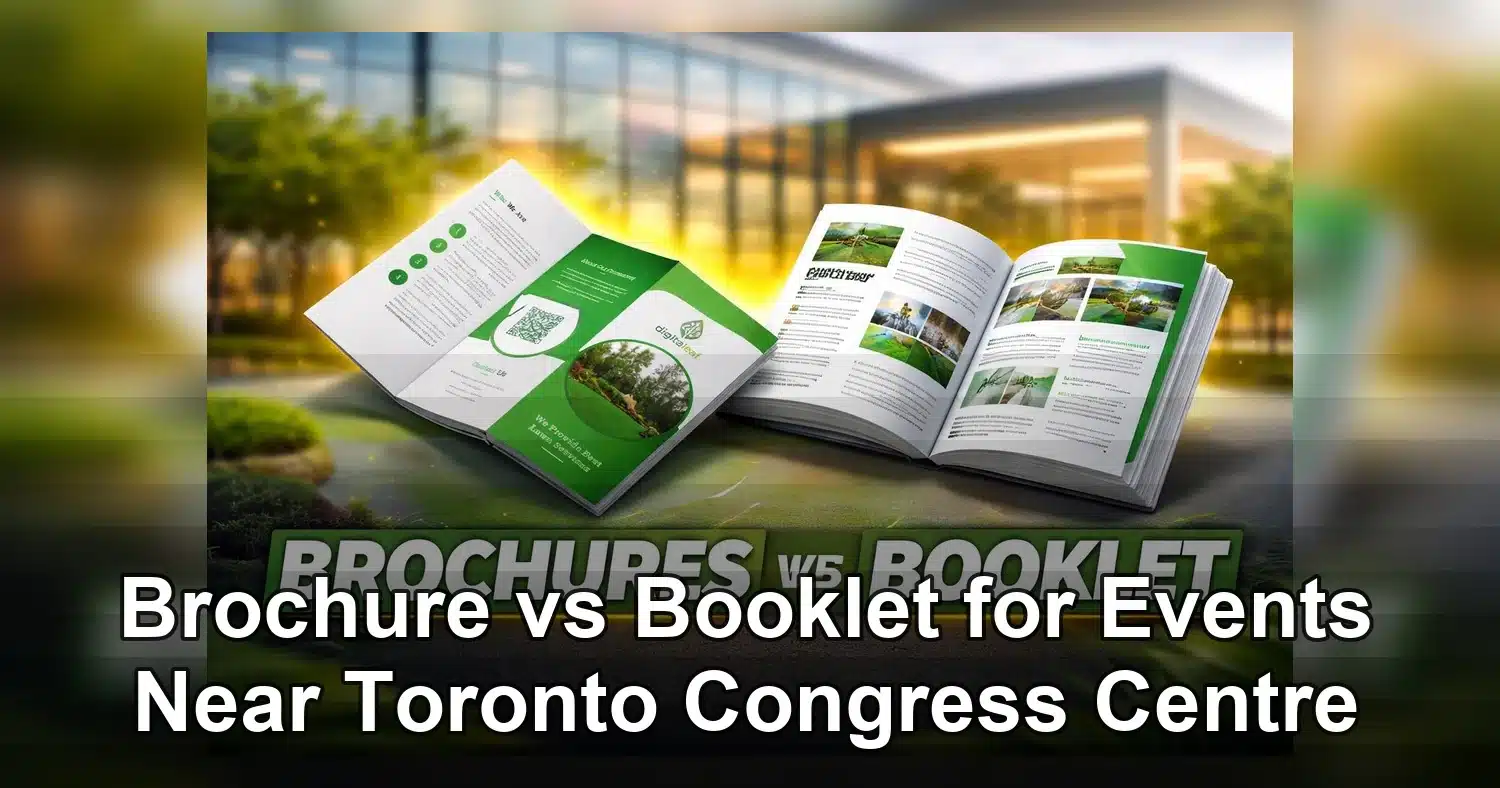
If you are deciding on brochure vs booklet for events near toronto congress centre, the simplest rule is this: choose a brochure when you need fast pickup, easy scanning, and one clear call to action, and choose a booklet when attendees need more detail, more proof, or a premium leave-behind they will review after the event. Near the Toronto Congress Centre, where booth traffic can move quickly and meetings often run back to back, the best format is the one your audience can understand in seconds and use later without friction.
Last updated: April 2026
Need brochure printing or booklet printing for your next campaign?
Tell us what you are printing, when you need it, and whether pickup or delivery works best. We will help you choose the right format before production.
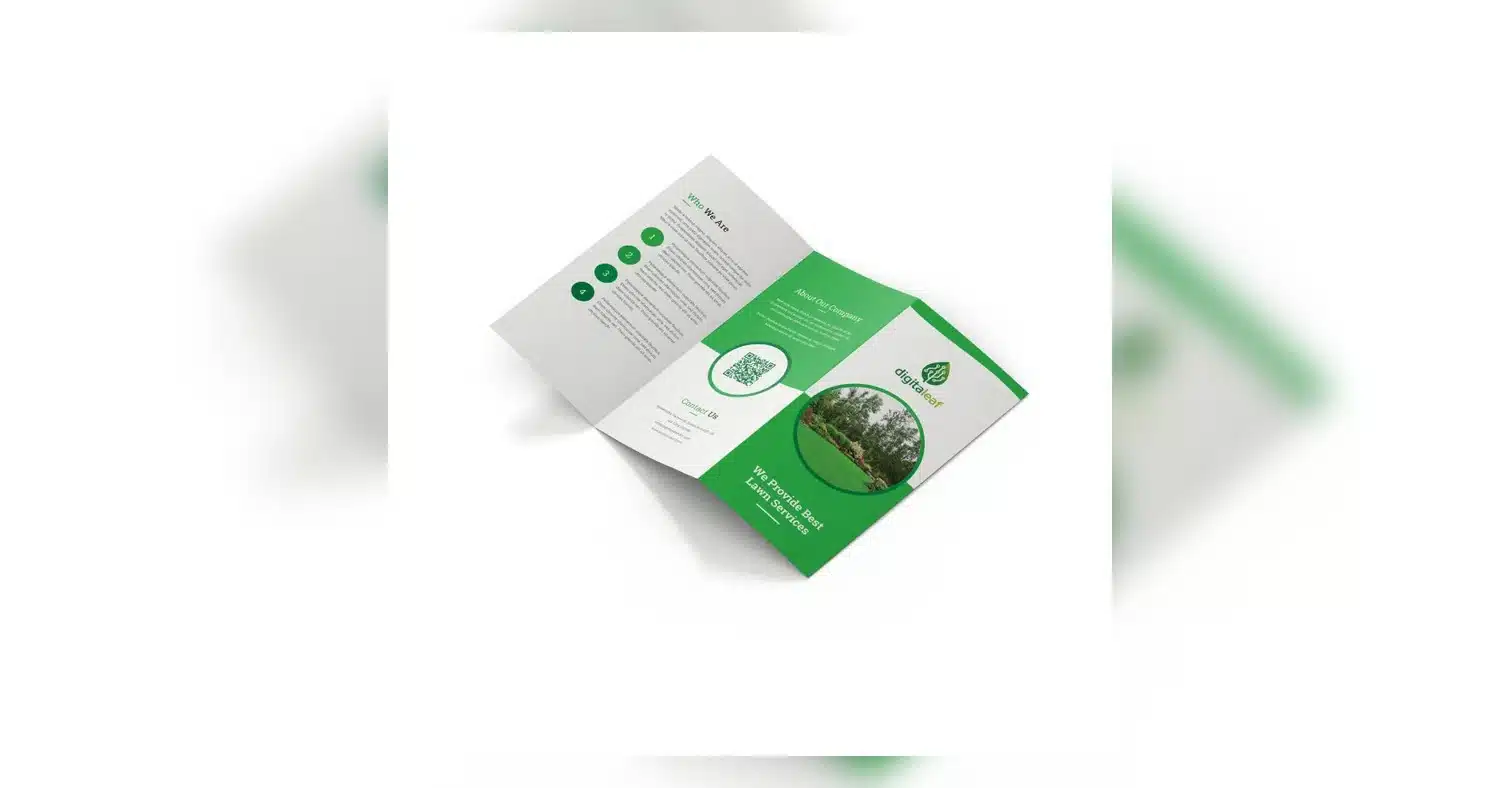
Brochures are usually the stronger choice for busy trade show floors because they are lighter, cheaper to distribute, and easier to skim while someone is walking past your booth. Booklets are better when the conversation is longer, the offer is more complex, or your team needs space for agendas, service explanations, case studies, bios, or follow-up details. If you are already comparing print options, reviewing custom brochure printing options is a sensible starting point for booth handouts. Event timelines in Toronto can also move fast, so it helps to know whether your printer can support a tight turnaround. In many cases, local planners look for rush printing support near major venue areas, as noted in this Toronto rush printing overview. The guide below will help you choose the format that fits your goals, budget, and deadline.
brochure vs booklet for events near toronto congress centre: how to choose
The right handout depends on how much your audience can absorb in a short interaction. At Toronto Congress Centre events, many attendees are moving between sessions, shuttles, meetings, and the exhibit floor. That pace favors concise material that can be understood at a glance. A brochure is usually the better fit when you want to explain one offer, one product line, or one action step. A booklet is better when you need to build confidence with additional evidence, structured content, or several layers of information.
Think about the interaction first, not just the format. If your team has 30 seconds to capture attention, a brochure is often the most efficient tool. If you have a scheduled appointment or a longer sales conversation, a booklet can do more work for you because it lets you guide the reader page by page. That difference matters at the Toronto Congress Centre, where some visitors are browsing casually while others arrive with buying intent and specific questions.
In practical terms, brochures are best for top-of-funnel outreach, while booklets support mid-funnel and late-stage selling. A brochure can introduce the brand, summarize the offer, and drive a QR scan, form fill, or meeting request. A booklet can explain the service in more depth, show proof, and answer the questions that would otherwise slow down a decision. If you want your print piece to feel polished without overcomplicating the layout, finishes such as matte finish brochures or enviro uncoated brochures can also influence how the handout feels in a visitor’s hands.
| Factor | Brochure | Booklet | Best choice when… |
|---|---|---|---|
| Page count | 1 to 6 panels, usually folded | 8 pages and up, usually stitched or bound | You need a short pitch or detailed explanation |
| Format | Tri-fold, bi-fold, z-fold, gate fold | Saddle-stitched, perfect bound, stapled packet | You want quick handoff or structured reading |
| Perceived value | Practical and promotional | More substantial and premium | Brand presentation matters as much as speed |
| Portability | Light and easy to stack | Bulkier, but still easy to pack in a bag | Attendees will carry several items during the day |
| Best use cases | Offers, product highlights, booth leave-behinds | Agendas, case studies, speaker bios, sponsor kits | You know how long the conversation will last |
As a simple rule, choose a brochure when your goal is to attract attention quickly and prompt a next step. Choose a booklet when your goal is to explain, persuade, and leave something substantial behind after the event. In many cases, the best answer is not one format for everything. It is using the right format for the right stage of the conversation.
When a brochure is the better handout for fast-moving booth traffic
A brochure is the better choice when you expect short interactions, quick scans, and large foot traffic. That is common at trade shows and conferences near the Toronto Congress Centre, where people often decide in seconds whether to stop. A brochure gives them the essentials without asking them to slow down.
Brochures work especially well for lead capture, product highlights, and time-sensitive offers. A tri-fold or z-fold can present the problem, the solution, and the next step on a single piece. That makes it easy for booth staff to guide the conversation. One panel can introduce the offer, another can highlight the benefit, and the back panel can carry a strong call to action or QR code. If you need a quick print solution before an event, the speed of a brochure often pairs well with rush printing near MTCC and downtown Toronto venues.
Brochures are also a strong choice when your team is qualifying people quickly and handing out material only to promising leads. The attendee can take it, scan the code later, and remember the offer after the event. For many exhibitors, the brochure is the first touch, and digital follow-up closes the loop afterward. That makes the format useful when the in-person interaction is short but the sales process continues online.
The best brochure formats for events are usually tri-fold, bi-fold, and z-fold. These are easy to open, easy to skim, and cost-effective in volume. Keep the copy short and benefit-led. Make the front panel do real work by stating what you do and who it is for. Use the inside panels for your strongest points, and reserve the back for the CTA, contact details, or a booking link.
- Use one primary message, not several competing ones.
- Keep body copy short and use bullets whenever possible.
- Place the main CTA where it is easy to see without unfolding the entire piece.
- Add a QR code that leads to a mobile-friendly landing page.
- Choose a stock that is light enough for easy bulk distribution.
If your event includes heavy traffic and multiple touchpoints, a brochure is often the most efficient way to start the conversation without overloading the attendee.
When a booklet makes sense for agendas, case studies, and premium leads
A booklet makes sense when the audience wants detail, context, or a more polished presentation. If you are meeting qualified buyers, sponsors, partners, or decision-makers near the Toronto Congress Centre, a booklet gives you enough space to explain the offer properly and support a more considered purchase.
Booklets are ideal for event agendas, session schedules, speaker bios, service overviews, testimonials, comparison charts, and case studies. They also work well for premium sales packets because the page count and binding create a more substantial feel. That extra weight can help your brand look established, especially when you are selling something that requires trust, planning, or internal approval.
Layout matters more for booklets than for brochures. A clear content structure, consistent headings, and a smooth page flow keep the reader oriented. Saddle-stitched booklets are a strong choice for moderate page counts because they are cost-effective and clean. Perfect-bound booklets feel more like a catalog or proposal and can support a higher perceived value when the content justifies the extra production step. For page count planning and structure ideas, custom booklet printing in Toronto can be a useful reference point for event-based projects.
Booklets also support post-event follow-up better than brochures because they can hold more evidence. You can include client results, team credentials, service breakdowns, next-step checklists, and FAQs. That is valuable when a prospect is unlikely to buy on the spot but may review the material later with a manager or buying committee. In that sense, a booklet works not just as a handout but as a leave-behind sales tool.
- Use 8 to 24 pages for most event booklets unless the content truly needs more.
- Group information into sections so readers can find what matters quickly.
- Limit each spread to one or two core ideas.
- Use the final pages for contact information and next steps.
- Choose a binding that matches the level of investment you want to signal.
If your event is high-value and the conversation is likely to continue after the show, a booklet often does more useful work than a brochure.
Print specs that change cost, quality, and turnaround time
The fastest way to control brochure or booklet pricing is to decide on the specifications early. Paper stock, finish, page count, folds, binding, quantity, and file readiness all influence cost and production speed. A well-prepared file can move through the press quickly, while a complicated or poorly built file can create delays even if the design looks good on screen.
Paper stock and finish
Heavier stock feels more premium, but it also raises cost and can add complexity if the job needs special handling. For event handouts, standard text stock is often enough for brochures, while a booklet cover may use a heavier cover stock to improve durability. Matte finishes reduce glare under bright venue lighting, which helps when attendees are reading indoors. Gloss can make photos look sharper, but it may reflect more light. If you want a softer, more natural presentation, enviro uncoated brochures are a good fit for text-forward designs and sustainability-focused brands.
Color coverage, folds, and binding
Full-color, full-bleed pages usually cost more than simple two-color layouts because they use more ink and require tighter print control. A folded brochure is generally quicker and less expensive to produce than a multi-page booklet because there is no binding step. Booklets add page planning, binding, and more file checks, which can increase both price and turnaround time. If you are still deciding on the right format, reviewing brochure printing options before you finalize the layout can help you avoid unnecessary complexity.
File prep that prevents delays
Set your file with proper bleed, keep important text away from the trim edge, and use high-resolution images at final size. Low-resolution photos can look blurry on cover pages or product spreads, especially when the image is large. Poor bleed setup can force corrections and delay the job. Proofing matters too. A PDF proof helps catch page order problems, spacing issues, and QR code errors before production starts, which is always faster than fixing problems after print.
How each choice affects speed
- Standard brochure layouts usually print faster than multi-page booklets.
- Specialty finishes, custom folds, or heavier paper can add time.
- Booklets require additional checks and binding steps.
- Press-ready files reduce revisions and speed approval.
If you are working toward a firm event date near the Toronto Congress Centre, the simplest spec that still supports your goals is often the safest one. It lowers risk, protects the budget, and helps the job move through production cleanly.
Timing your print order for a Toronto Congress Centre event
For event printing, timing is just as important as format. You want enough time for content review, proofing, printing, finishing, and delivery or pickup. That matters near the Toronto Congress Centre because traffic, venue access, and last-minute schedule changes can all affect when you actually need the materials in hand.
A practical production timeline
A standard print project should move through a clear sequence: final copy and design, proof review, production, finishing, and pickup or delivery. Simple brochure orders often move faster than booklets because they require fewer steps. If your project includes custom folds, extra pages, or special paper, give the printer more time. Even a strong design can be delayed if the file is not prepared for print.
A useful event timeline looks like this:
- Finalize copy, design, and quantity.
- Review the proof carefully for spelling, image quality, and page order.
- Allow time for print, drying, trimming, folding, and binding.
- Schedule pickup or delivery with a buffer before event day.
Approval windows and rush printing
Approval delays are one of the most common reasons print jobs miss deadlines. Build in at least one internal review window so marketing, sales, and leadership can sign off before production begins. If your event is close, ask whether rush printing is available and which spec changes would slow it down. A simpler brochure format may be easier to turn around than a longer booklet.
Rush orders can work well, but they leave very little room for corrections. That is why many planners choose a straightforward layout and a lower-risk format when the deadline is tight. For a sense of how local emergency print timelines are handled, some Toronto providers publish rush printing guidance near MTCC and downtown Toronto hotels that shows how quickly event needs can escalate.
Why buffer time matters
Events near the Toronto Congress Centre often include traffic delays, load-in requirements, and changes to staffing or session timing. A buffer gives you room to fix a typo, reroute a delivery, or reprint a small quantity if needed. It also protects you if the first proof reveals a problem with bleeds, margins, or image resolution. If the event is high-stakes, the print order should be completed before the final countdown begins so pickup or delivery is one less thing to worry about on event day.
Common mistakes that waste budget and reduce pickup rates
The biggest print mistakes usually have more to do with content and layout than with the printer itself. A brochure or booklet that is too dense, too long, or too hard to scan will cost more to print and perform worse on the show floor. The goal is not just to produce a nice piece. It is to produce a piece people will actually read and keep.
Too much content for the format
One of the most common errors is trying to fit an entire sales presentation into a brochure. That creates tiny type, crowded panels, and weak visual hierarchy. If your message needs more room, a booklet is the better choice. If the goal is quick pickup and short conversations, trim the copy and focus on one main offer or action.
The fix is to match content depth to the format. Use brochures for a tight pitch, a short product range, or one event takeaway. Use booklets when the extra pages add real value, such as schedules, service details, or proof points. If you are comparing custom booklet printing Toronto options, make sure the page count earns its place.
Weak headlines and tiny type
If the headline does not explain the benefit quickly, people will not keep reading. The same is true for font size. Tiny text may look clean in a design file, but it gets ignored on a busy floor. Use direct headlines, strong subheads, and readable body copy. Your first panel or first spread should tell the reader why the piece matters without requiring effort.
Poor QR code placement
QR codes fail when they are too small, too close to the edge, or surrounded by too much visual noise. Place the code in a clean area and test it before print. It should lead to a mobile-friendly page with a clear next step, not a generic homepage that forces the user to hunt for the right information.
Under-ordering copies
Under-ordering is a budget mistake that often leads to a second, more expensive print run. At events near the Toronto Congress Centre, traffic can move fast, and staff may hand out more pieces than expected. It is usually cheaper to print a slightly higher quantity up front than to rush a reprint after supplies run out.
- Trim the message to one clear purpose per piece.
- Use readable type and strong contrast.
- Place QR codes where they can be scanned easily.
- Order enough copies for traffic spikes and follow-up meetings.
Better planning improves pickup rates and reduces reprint risk, which is where the real savings usually come from.
Best handout strategy by event type and budget
If you want a practical rule for brochure vs booklet for events near Toronto Congress Centre, use brochures for reach, booklets for depth, and both when your event plan has two stages: attract first, qualify second.
That framework works well for trade shows, association conferences, hotel networking events, sponsor packages, and executive meetings where print quantity, pickup rates, and follow-up quality all matter. In many cases, the best print strategy is not choosing one format forever. It is matching the piece to the audience and the moment.
Quick recommendation by event type
- Trade shows: Lead with a brochure. Use a tri-fold, bi-fold, or compact flat piece for fast scans at the booth. Keep a small stack of booklets for qualified prospects who ask for more detail.
- Conferences: Use both when possible. A brochure works as a session handout or insert, while a booklet is better for speaker bios, program details, comparisons, or service packages.
- Networking receptions: Brochure first. Guests are standing, moving, and collecting several items, so a slim handout is easier to carry than a multi-page piece.
- Sponsor kits: Booklet first. Sponsors usually expect more substance, including audience profile, package options, deadlines, and past results.
- Executive meetings and buyer appointments: Booklet first. A clean multi-page leave-behind supports pricing logic, case studies, timelines, and next steps.
Budget-based decision guide
- Tight budget: Print one brochure format in higher quantity. This is often the best choice for Toronto Congress Centre events when traffic is broad and pickup volume is uncertain.
- Mid-range budget: Print brochures for general distribution and a small-run booklet for sales follow-up, VIPs, or scheduled meetings.
- Higher budget: Build a two-piece kit. Pair a branded brochure with a booklet so your team can match the handout to lead quality and conversation length.
Best-fit formats for common event goals
For sustainability-focused brands, enviro uncoated brochures can suit wellness, education, and nonprofit events. For polished corporate campaigns, matte stocks help reduce glare under venue lighting and keep photos looking clean in matte finish brochures. If your team needs a more consultative leave-behind, this custom booklet resource is a useful next step.
For planners who need a fast, standard folded piece, digital brochure printing in Toronto is often a practical option for event timing and simple handout production.
For most Toronto Congress Centre events, a brochure is the smarter choice for quick booth traffic and simple offers, while a booklet is worth the extra investment when your audience needs depth before they buy. Before you place an order, confirm your message length, ideal quantity, paper and finish, and delivery deadline so you do not pay for pages or features you do not need.
If you want the safest next step, narrow your choice to one primary goal: quick handout, detailed sales leave-behind, or a two-piece strategy using both. Once that is clear, you can move forward with a format that matches your event schedule and budget with far less rework.
Related Products and Services
If you are planning a similar project, these related options may help.
Helpful External Resources
These sources provide supporting background and additional context.
Is a brochure or booklet better for a trade show near Toronto Congress Centre?
For a trade show near Toronto Congress Centre, a brochure is usually the better choice if you need a fast, affordable handout with a clear call to action. It works well when attendees are moving quickly and only have a few seconds to scan your message. Choose a booklet if you need more space for product details, schedules, testimonials, or a more premium presentation.
How many pages should a booklet have before it is worth printing?
A booklet usually makes sense once your content goes beyond a simple folded brochure, often at 8 pages or more. If you only have a short message, a brochure is usually more economical and easier to distribute. If you need several sections, case studies, or detailed service information, a booklet is generally the stronger option.
What print specs most affect brochure and booklet pricing?
The biggest pricing factors are quantity, page count, paper stock, color coverage, folding or binding, and turnaround time. Heavier paper, custom sizes, full-color pages, and rush production usually cost more. Keeping the design standard and the file print-ready helps control both cost and schedule.
Can I get rush brochure or booklet printing for a Toronto Congress Centre event?
Yes, rush printing is often possible for events near Toronto Congress Centre if your artwork is ready and your specs are simple. Standard brochure formats usually turn around faster than longer booklets. For the best chance of quick production, submit final files early, confirm your quantity, and avoid last-minute changes to paper or finishing.
Get a Free Quote Today
Contact us at +1-(416) 288-8661 or Email us at info@Brandingcentres.com and let's get started.