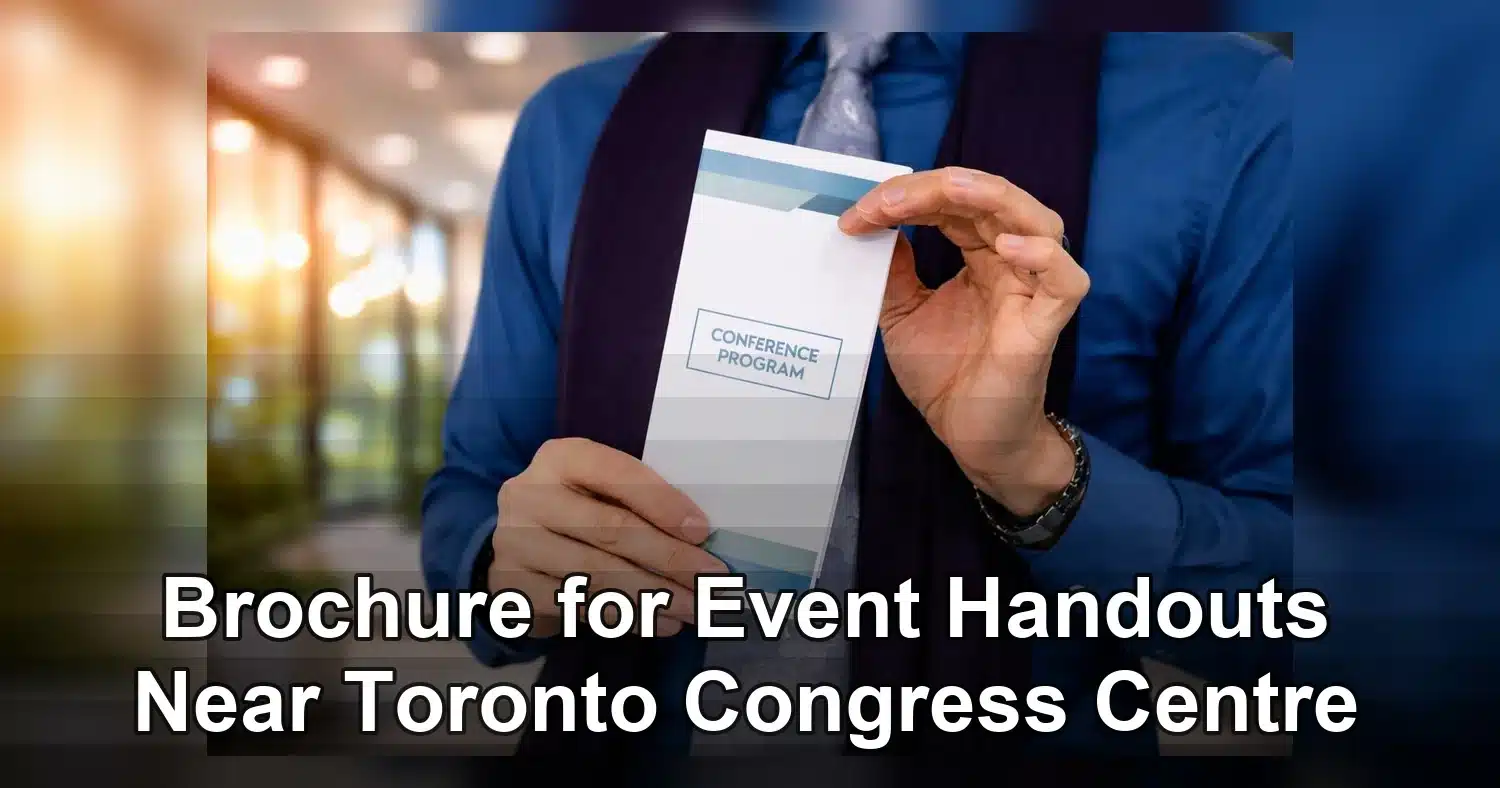
If you need a brochure for event handouts near toronto congress centre, the best option is usually one that is compact, easy to scan, and sturdy enough to survive a full show day. At a busy venue, handouts have to do more than look good. They need to help attendees remember your brand, understand your offer quickly, and take a clear next step with a QR code, website, or contact name that is easy to find later.
Last updated: April 2026
Ready to print brochure printing?
Send your artwork, quantity, and deadline to Branding Centres. We will help confirm specs, turnaround, and the best production option.
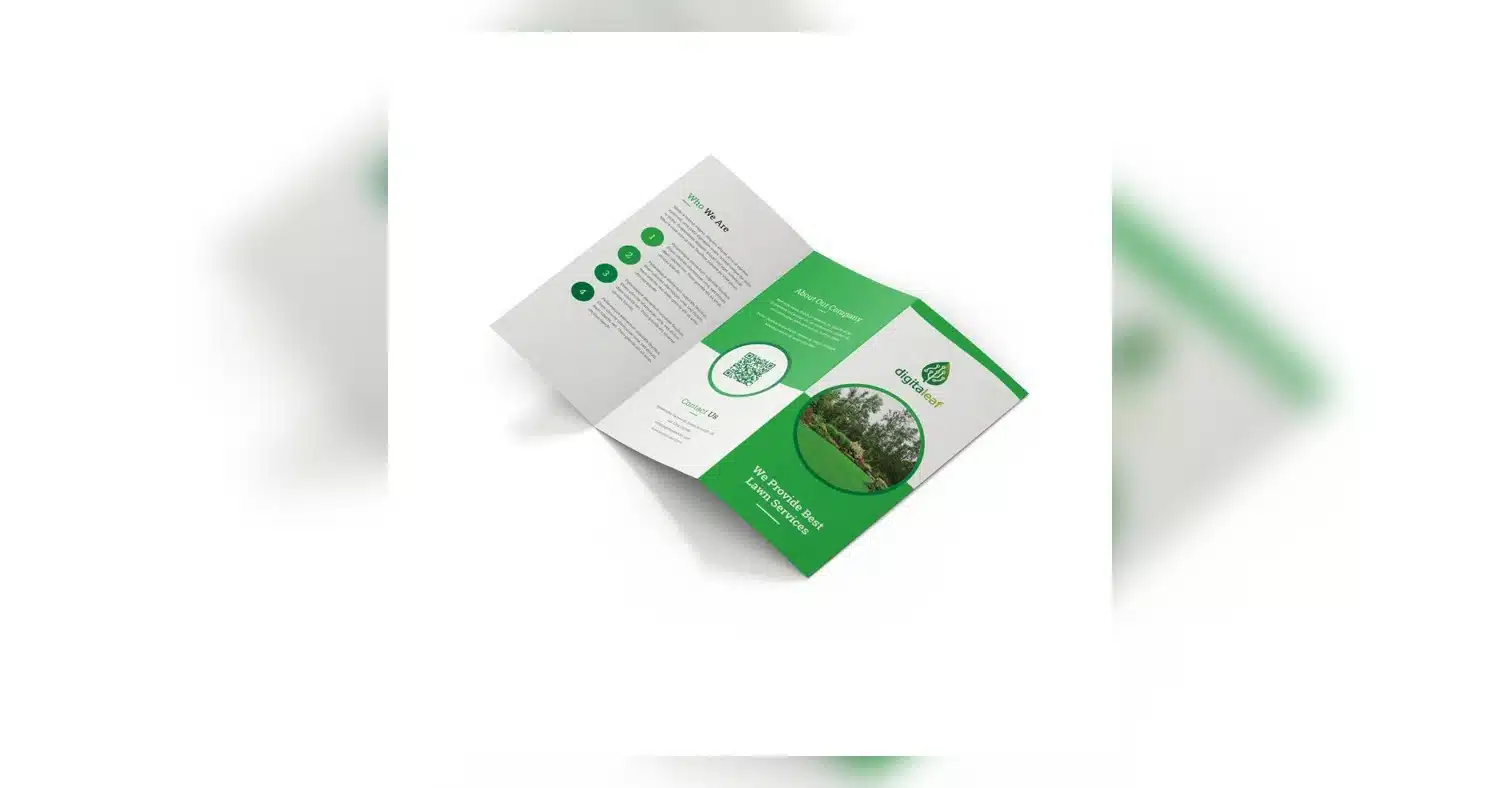
That is why brochure planning for Toronto Congress Centre events should start with practical questions: How will the piece be handed out? How much information does it need to carry? Will it be kept as a leave-behind, used as a program, or shared as a sponsor piece? The right answer affects fold style, paper stock, finish, quantity, and turnaround time.
For exhibitors, sponsors, and organizers, a brochure can support booth traffic, session handouts, partner messaging, and post-event follow-up all at once. The most effective versions are simple to carry, simple to understand, and specific enough that attendees know exactly why the brochure matters. If the handout feels relevant in the moment and easy to revisit afterward, it is far more likely to generate a call, scan, or meeting request after the event ends.
Why brochures still work as event handouts at Toronto Congress Centre
A brochure still performs well at Toronto Congress Centre because it gives people something tangible in a setting where most attention is split across booths, speakers, and networking conversations. Attendees may not have time for a long discussion, but they can usually accept a well-designed brochure, skim the main message, and keep moving. That makes the format ideal for high-traffic show floors and conference days where speed matters.
Brochures are also useful because they bridge the gap between in-person interest and later action. A visitor might see a product demo, hear a keynote mention, or stop by a booth for thirty seconds. The brochure becomes the reminder that connects that short interaction to a future visit, call, or booking. In other words, the piece is not just an information sheet. It is a follow-up tool.
For exhibitors, a brochure can also help staff stay efficient. Instead of explaining every detail repeatedly, team members can hand out a piece that covers the essentials and points to one next step. That keeps conversations focused on the attendee’s needs instead of repeating the same overview all day. It is especially useful when different people at the booth handle sales, product education, and logistics.
Organizers and sponsors benefit too. A brochure can combine session schedules, exhibitor highlights, sponsor logos, floor maps, and venue details in one compact reference. That makes it useful not only at the booth but also during the walk between sessions or while attendees are packing bags at the end of the day. The longer the brochure remains useful, the more exposure your message receives.
Choose the right brochure format for the way people will use it
The best brochure format depends on how much information you need to share and how attendees will receive the piece. For fast booth conversations, a simple tri-fold or bi-fold usually works best. For content-heavy handouts, a booklet or multi-panel fold gives you more room for product information, schedules, service lists, or sponsor messages. When the format matches the purpose, the handout feels natural instead of forced.
| Format or stock | Best use | Strengths | Trade-offs | Typical event fit |
|---|---|---|---|---|
| Tri-fold | Booth leave-behinds and simple offers | Compact, familiar, easy to scan | Limited space for detailed content | Busy exhibit tables and quick handouts |
| Bi-fold | Clear brand presentation and premium offers | Large panels, clean layout, polished feel | Fewer sections for organizing content | Sales conversations and VIP handouts |
| Z-fold | Step-by-step messaging or timelines | Opens smoothly, good for process stories | Can feel cluttered if copy is too long | Product demos, event guides, maps |
| Booklet | Programs, catalogs, sponsor books | Most space for detailed content | Heavier and less pocket-friendly | Conferences, agenda packs, partner showcases |
| Gloss text stock | Image-led designs and bold visuals | Bright color, sharp contrast, polished finish | Can create glare under strong lights | Product launches and visually driven brands |
| Uncoated or enviro uncoated stock | Notes-friendly, refined, or eco-conscious handouts | Writable surface, soft feel, less glare | Colors appear more muted than on gloss stock | Programs, forms, sustainable brands |
For a brochure for event handouts near toronto congress centre, the most common choice is still a compact folded piece because it travels well and reads quickly. If your content is light and your goal is broad distribution, a tri-fold is often the most practical option. If the handout is meant for a more selective audience, such as qualified leads or invited guests, a bi-fold or booklet can create a stronger presentation.
Paper stock should support the message. Gloss stock works well when photos, product images, or bright graphics are central to the design. Uncoated stock is often better for forms, schedules, and brochures that may be written on during the event. A heavier stock can feel premium, but it should still fold cleanly and fit comfortably into bags and folders.
What makes a brochure more likely to be picked up
Attendees at Toronto Congress Centre often collect multiple handouts in a short period, so the brochures that get picked up are usually the ones that feel easy to carry and easy to understand. That means the piece should make its value obvious from the cover, not after a long read. A strong headline, a clean visual hierarchy, and one clear offer help the brochure stand out.
Specs that improve pickup and keepability
- Size: Choose a compact format that fits in a tote bag or folder without bending. A folded 8.5 x 11 piece is a common and practical choice.
- Readable cover: Put the main benefit on the front panel so someone can understand the purpose in a glance.
- Short copy blocks: Use concise sections, not dense paragraphs. People scan brochures at arm’s length and often while walking.
- Clear CTA: Include one primary next step such as booking a demo, visiting a landing page, or scanning a QR code.
- Visible contact details: Repeat the website, phone number, email, and booth number in at least one obvious location.
- Smart QR placement: Put the QR code where it is easy to find, test, and scan without interfering with the layout.
The brochure should also feel comfortable in hand. If it is too thin, it can seem disposable. If it is too heavy, attendees may leave it behind. A balanced stock gives the piece enough substance to feel credible while still staying practical for a long day of collecting handouts.
Design can influence pickup as much as content. A cover that focuses on one promise, one product family, or one attendee benefit usually performs better than a crowded design trying to say everything at once. The goal is to help people decide quickly whether the brochure is worth carrying back to their hotel, office, or next meeting.
Plan production timing carefully for event deadlines
The safest way to handle a brochure for event handouts near toronto congress centre is to work backward from the event date. Build in time for content approval, proof review, printing, folding, and delivery before load-in. Even a simple brochure can get delayed if the team is still changing copy or waiting on sponsor sign-off.
Start with artwork approval
Most problems happen before printing begins. If the booth number is not final, the QR code destination still needs testing, or the event schedule is changing, production can stall. A print-ready file can move quickly, but only when the content is truly final. It helps to assign one person to approve the file so changes do not pile up from several directions.
Use enough lead time for standard and rush orders
Common folded brochures can usually be produced quickly, especially when the size and stock are standard. Still, turnaround depends on quantity, fold type, finish, and how prepared the artwork is. If you need special folding, heavier paper, personalization, or multiple versions, add more time. A job that looks simple at first can require extra setup once the details are finalized.
Rush orders are possible in many cases, but they should be treated as a backup rather than a plan. Same-day or next-day printing may work for straightforward pieces, yet courier cutoffs, traffic, and venue receiving rules can still cause delays. If brochures must arrive at the venue directly, confirm the delivery window, the receiving contact, and whether the shipment needs to be labeled by booth or company name.
Delivery planning matters as much as printing
For event-critical handouts, delivery planning should be part of the order from the beginning. Do not assume that a printer can simply drop cartons at the front desk without instructions. Include the event name, hall location, booth number, on-site contact, and required arrival date. If the brochures are going to a hotel, ask about package acceptance and storage rules before shipping.
When the event date is fixed, the best strategy is to keep the brochure format simple enough to print reliably while still looking polished enough to support your brand. That balance gives you fewer surprises and a better chance of having the handouts ready before the crowd arrives.
What affects brochure pricing in Toronto
Brochure pricing in Toronto usually comes down to quantity, paper choice, folding complexity, finishing, and turnaround speed. The more you can simplify those variables, the easier it is to compare quotes and stay on budget. A basic folded brochure on standard stock will usually cost less than a custom piece with special finishes or multiple versions.
Quantity changes the unit cost
Printing more copies usually lowers the price per piece because setup costs are spread across the run. That said, larger quantities only make sense if you know the brochures will actually be used. For a narrow audience, a smaller run can be smarter even if the unit price is higher. The goal is to match the print quantity to the size of the event and the expected foot traffic.
Paper and finish shape both appearance and cost
Heavier stock, premium coatings, and specialty paper choices all influence price. Gloss finishes tend to make photos and graphics pop, while uncoated stocks can feel more natural and are easier to write on. If the brochure is meant to support a luxury product, the stock should reflect that. If it is meant to share practical information, readability may matter more than shine.
Folds and special features add setup time
Simple folds like tri-fold and bi-fold are usually the most cost-effective because they are familiar production formats. More complex folds, die-cuts, scoring, perforations, and custom inserts can increase both labor and schedule complexity. These features are worthwhile when they improve how the handout is used, but they should not be added just for decoration.
Rush service and personalization increase cost
If you need variable data, multiple QR codes, or a version tailored to different attendee groups, the order may take more planning and cost more to produce. Rush service also carries a premium because it compresses production and delivery into a shorter window. If speed matters more than customization, a standard format on a common stock will usually be the more efficient choice.
When comparing a brochure for event handouts near toronto congress centre with other print options, ask for a quote that separates paper, folding, finishing, quantity, and delivery. That makes it easier to see what is driving the cost and where you can adjust the budget without sacrificing the quality that matters most.
Common brochure mistakes that reduce pickup and follow-up
The most common brochure problems are usually about clarity rather than design style. A handout can look attractive and still fail if people cannot understand the message quickly. At an event, that is a major weakness because the audience is moving fast and making decisions in seconds.
Too much copy
Dense paragraphs make a brochure harder to use on a show floor. People should be able to see the point quickly, skim the details, and decide whether the handout is worth keeping. Break information into short sections with clear headings and enough white space for the page to breathe.
A weak or missing call to action
Every brochure should tell the reader what to do next. That might be booking a meeting, scanning a QR code, visiting a landing page, or asking for a demo. Without a next step, the brochure becomes a generic leave-behind instead of a conversion tool.
No event-specific details
For Toronto Congress Centre handouts, it helps to include the booth number, event name, dates, and a direct contact point. If those details are missing, attendees may remember the brand but not know how to reconnect during or after the show. Even a strong design can lose value if the practical details are buried or left out entirely.
Poor file setup
Print production runs more smoothly when the file is prepared correctly. Common errors include incorrect bleed, images that are too low in resolution, missing fonts, and fold panels that are out of order. Before sending a file, check that trim, fold lines, and QR codes are all in the right place and that the final PDF is set up for print, not web.
Choosing the wrong finish for the setting
Highly glossy stock can create glare in bright lighting, while very soft stock may not stand out enough for an image-heavy campaign. The best finish depends on how the brochure will be used and what kind of content it holds. If the brochure needs to be written on, uncoated stock makes more sense. If the design relies on product photography, a coated finish may work better.
When the brochure for event handouts near toronto congress centre is clear, portable, and well prepared, it has a much better chance of being read later instead of forgotten on a table. Small improvements in layout and production quality often have a bigger effect than adding more copy or more pages.
How to brief a printer for faster proofs and fewer reprints
A complete brief is one of the fastest ways to avoid delays. The clearer your instructions, the easier it is for the printer to produce an accurate proof and deliver the brochure on time. For event work, that matters because there is often very little room for correction once the event date is close.
What to include in the brief
- Finished size and fold type, such as an 8.5 x 11 tri-fold or 11 x 17 half-fold
- Quantity needed and whether the order is for one event or multiple events
- Paper stock and finish, including gloss, matte, or uncoated choices
- Whether the brochure needs to be writable, premium-looking, or image-led
- QR code destination, phone number, website, and booth information
- Delivery date, delivery address, on-site contact, and any venue instructions
It also helps to send a mockup or layout sketch if the folding is complex. A simple visual can prevent expensive misunderstandings. If there are multiple decision-makers, choose one person to approve the proof so changes do not restart the process several times.
File setup basics that save time
- Use print-ready PDF files in CMYK
- Keep important text inside safe margins away from trim and folds
- Include bleed on all sides
- Set images to print resolution
- Test all QR codes before final approval
- Label artwork versions clearly if multiple brochures are being produced
When the brief is complete, the printer can focus on producing the brochure instead of asking for missing details. That reduces rework and gives you a smoother path from concept to finished handout.
Final planning checklist for Toronto Congress Centre events
If your brochure is going to a Toronto Congress Centre event, the best results usually come from a simple plan: choose a format that fits the audience, use a stock that matches the message, build in proofing time, and make the next step obvious. A brochure for event handouts near toronto congress centre should be easy to hand out, easy to keep, and easy to act on later.
Before you approve the job, confirm the size, fold, quantity, finish, delivery location, and QR code destination. Then check the proof carefully for trim, order, spelling, and contact details. Those final steps may seem small, but they are what turn a decent brochure into a handout that actually supports the event.
When the format is right and the timing is planned, your brochure does more than fill a table. It helps attendees remember your brand, follow up after the show, and connect the conversation at the booth to a real next step.
Related Products and Services
If you are planning a similar project, these related options may help.
- Enviro Uncoated Brochures
- Uv (High Gloss
- Gloss Text Brochures
- Brochures
Helpful External Resources
These sources provide supporting background and additional context.
- Brochures
- Custom Standard Brochures In Toronto
What brochure size works best for event handouts at Toronto Congress Centre?
A folded 8.5 x 11 brochure is usually the most practical choice because it is easy to distribute, fits in bags, and gives enough space for a clear message. If your content is simple, a tri-fold is often the best balance of size, readability, and cost.
How fast can a brochure for event handouts near toronto congress centre be printed?
Turnaround depends on artwork readiness, quantity, and finish, but standard brochures can often be produced quickly. Rush service may be available for urgent orders, although you should still allow time for proofing, folding, and delivery to the venue or hotel.
Which paper stock is best for brochures event handouts Toronto Congress Centre?
For most event handouts, a medium-weight text stock offers a good mix of durability and portability. Gloss stock works well for photo-heavy designs, while uncoated stock is a better fit for writable handouts, schedules, and more natural-looking branding.
Can brochures be delivered directly to Toronto Congress Centre?
Yes, many printers can arrange direct delivery if the venue accepts shipments. Include the event name, booth number, receiving contact, and required arrival window so the shipment can be routed correctly and received without delays.
How many brochures should I order for an event?
The right quantity depends on booth traffic, event length, and whether the brochure is for general distribution or qualified leads only. A larger run usually lowers the unit cost, but a smaller targeted order can be more efficient if you want to avoid leftovers.
Get a Free Quote Today
Contact us at +1-(416) 288-8661 or Email us at info@Brandingcentres.com and let's get started.