
When you envision the perfect branded hoodie, what do you see? Is it a sharp, vibrant logo that pops against a deep black background? Is it the cozy feeling of the fabric on a chilly Toronto morning? Or perhaps it is the durability that withstands wash after wash without the design cracking or peeling?
The reality is that a great design is only as good as the canvas it is printed on. For business owners, fleet managers, and fashion entrepreneurs in the Greater Toronto Area (GTA), choosing the best hoodie material for logo printing is the most critical step in the production process. At Branding Centres, located right here in Etobicoke, we believe that understanding the science of fabric is essential to elevating your brand.
Whether you are looking to outfit a construction crew in Mississauga, launch a streetwear line in Vaughan, or create corporate merchandise for a tech firm in downtown Toronto, this guide will walk you through everything you need to know about fabric composition, weight, and print compatibility.
Why Fabric Choice Matters for Your Brand Identity
Your choice of fabric does more than just determine comfort; it dictates the final look of your logo and the longevity of your investment. A mismatch between fabric and printing method can lead to disaster. For instance, putting a heavy screen print on a lightweight, stretchy fabric can cause the design to pucker. Conversely, trying to achieve a vintage, soft-hand print on 100% polyester can result in dye migration where the fabric colour bleeds into your logo.
In the competitive market of Ontario, your merchandise reflects your company’s quality. A high-quality, heavyweight hoodie signals luxury and durability, while a lightweight, moisture-wicking blend speaks to performance and activity.
Understanding Fabric Weight: GSM and Durability
Before diving into material blends, we must address the concept of fabric weight. In the textile industry, this is measured in GSM (Grams per Square Meter). This metric tells you how dense and thick the fabric is.
Lightweight Hoodies (Under 250 GSM)
These are often referred to as “summer hoodies” or T-shirt hoodies. They are excellent for layering or for high-activity environments where breathability is key. They typically range between 5.9 oz/yd² to 7.38 oz/yd². While they are comfortable, they may not hold heavy embroidery well due to the thinner structure.
Midweight Hoodies (250 GSM to 300 GSM)
This is the industry standard for promotional products and corporate wear. A midweight hoodie, often around 8.5 oz, offers the perfect balance of warmth and printability. It provides a stable surface for screen printing and is substantial enough to support standard embroidery without sagging.
Heavyweight Hoodies (300 GSM to 450+ GSM)
If you are looking to enter the premium streetwear market or need rugged workwear for Canadian winters, heavyweight fleece is the answer. These garments, often exceeding 10 oz, feel luxurious and substantial. High GSM fabrics resist wear and tear, maintain their shape better, and offer a superior drape on the body. They are the preferred choice for high-end brands looking to make a statement.
The Big Three: Comparing Hoodie Fabric Compositions
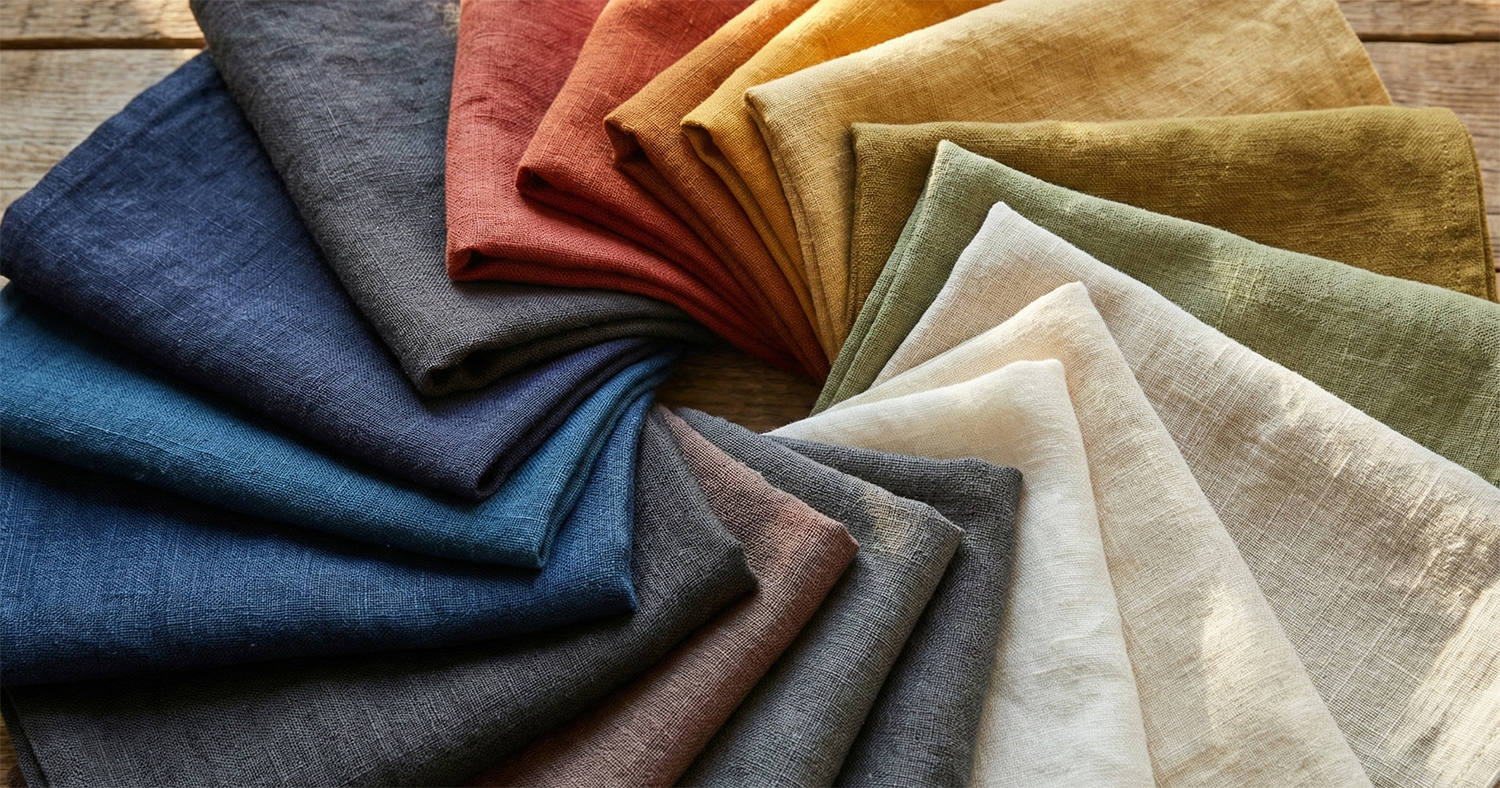
The chemical composition of the yarn determines how the ink sits on the fabric. Here is a breakdown of the three most common material categories available at Branding Centres.
1. 100% Cotton: The Purist’s Choice
Cotton is a natural fiber known for its absorbency and comfort. For printing, specifically Direct-to-Garment (DTG), 100% cotton is the gold standard.
The Benefits:
- Print Clarity: Natural fibers absorb water-based inks perfectly, allowing for high-resolution photo-realistic prints.
- Hypoallergenic: Ideal for customers with sensitive skin.
- Breathability: Cotton allows air to circulate, keeping the wearer cool in warmer conditions.
The Face of the Fabric: When selecting a cotton hoodie, look for “Ring-Spun” cotton. Unlike carded cotton, which can be rough, ring-spun cotton is twisted tightly to create a smoother, stronger, and softer surface. This smooth “face” is crucial for printing because it reduces fibrillation (fuzzy fibers sticking up), ensuring your logo looks crisp rather than fuzzy.
2. Cotton/Polyester Blends: The Industry Workhorse
Most hoodies on the market are a blend of cotton and polyester. Polyester is a synthetic fiber known for durability, wrinkle resistance, and colourfastness. By blending it with cotton, you get the best of both worlds.
Common Ratios:
- 50/50 Blend: This is the most cost-effective and common option. It is durable and requires little ironing. It is often used for uniforms and mass promotional giveaways.
- 80/20 Blend: Heavily weighted toward cotton, this blend offers a premium feel with just enough polyester to prevent shrinkage and adding strength. This is excellent for mid-to-high-end branding.
Printing Considerations: Blends are fantastic for Screen Printing. However, printers must be careful with heat. Polyester can suffer from “dye migration,” where the dye from the fabric turns gaseous under heat and seeps into the print ink, turning your white logo pink (on a red shirt) or grey (on a black shirt). At Branding Centres, we utilize specialized low-bleed inks and blockers to prevent this, ensuring your logos stay bright.
3. Tri-Blends: The Vintage Softness
Tri-blends usually combine Cotton, Polyester, and Rayon (or Viscose). Rayon adds an incredible silk-like drape and softness.
The Aesthetic: Tri-blends have a naturally heathered or textured look. They are popular for “vintage” style prints. Because the fabric absorbs ink differently across the three fibers, prints often have a retro, washed-out appearance which is highly trendy in the retail fashion space.
Comparison: Matching Fabric to Printing Method
To help you make the best decision for your project in Toronto or the GTA, we have compiled this comparison table.
| Feature | 100% Cotton | 50/50 Cotton/Poly | Tri-Blend |
| Texture | Soft, Natural Feel | Smooth, Durable | Ultra-Soft, Vintage |
| Best Print Method | DTG, Screen Print | Screen Print, Embroidery, DTF | Screen Print (Vintage style) |
| Durability | Moderate | High | Moderate |
| Shrinkage | Low to Medium | Minimal | Minimal |
| Breathability | High | Low | Medium |
| Ideal Use Case | Fashion Brands, intricate designs | Workwear, Uniforms, Events | Athleisure, Retro Merch |
Premium Texture Options: Fleece vs. French Terry
Beyond the fiber content, the way the fabric is knit changes the feel and function of the hoodie.
Brushed Fleece
This is what most people imagine when they think of a hoodie. The fabric is knit with loops on the inside, which are then mechanically brushed or “napped” to break the fibers. This creates a fuzzy, soft interior that traps body heat, making it an excellent insulator.
- Pros: Warm, cozy, structured fit.
- Best For: Winter apparel, streetwear, cozy loungewear.
French Terry
French Terry features the same loop structure on the inside but remains unbrushed. The loops are visible and sit smoothly against the skin.
- Pros: Moisture-wicking, breathable, lighter weight.
- Best For: Gym hoodies, summer evenings, layering pieces.
At Branding Centres, we offer options like the Unisex Fleece Hoodie which utilizes premium fleece for that substantial, high-quality feel that customers love.
The Role of Branding Centres in Quality Control
You might wonder why you should choose a local provider in Etobicoke over a generic online giant. The answer lies in quality control and localization.
Canadian Standards
We understand the Canadian market. A “winter hoodie” in Florida is very different from a winter hoodie in Brampton. We stock heavyweight options that can actually withstand our climate.
Avoiding “Cheap” Blanks
A major pitfall in custom apparel is choosing the cheapest blank hoodie to save money. Cheap hoodies often use “carded open-end” cotton which is rough and causes prints to peel. They may also shrink significantly, twisting the side seams until the garment is unwearable. We curate our selection to include high-quality options like the Unisex Fleece Hoodie and Men’s Cotton T-shirts that provide a premium base for your brand.
Ready to Elevate Your Brand?
Your brand deserves more than just a standard hoodie. It deserves a garment that speaks to quality, durability, and style. Whether you need a small run for a team event or a bulk order for a nationwide marketing campaign, Branding Centres has the expertise and the technology to deliver.
We combine local service in Etobicoke and Toronto with world-class production capabilities. Don’t settle for scratchy fabrics or peeling prints. Let us help you select the best hoodie material for printing that fits your budget and exceeds your expectations.
Contact Branding Centres Today
- Phone: +1 (416) 288-8661
- Email: info@Brandingcentres.com
- Location: 24 Ronson Dr Unit #1, Etobicoke, ON M9W 1B4
- Service Areas: Toronto, Mississauga, Brampton, Vaughan, GTA, and across Canada.
Visit our showroom or browse our catalog online to start your custom project!
Frequently Asked Questions (FAQ)
-
What is the best material for a hoodie if I want a soft feel?
For the ultimate softness, look for a hoodie with a high cotton content, specifically ring-spun cotton, or a tri-blend. Ring-spun cotton has a much smoother hand feel than standard cotton.
-
Can I screen print on 100% polyester hoodies?
Yes, but it requires special care. Polyester is prone to dye migration. We use specific poly-inks and low-cure additives to ensure the print remains crisp and does not change colour during the curing process.
-
Why do some prints crack after washing?
Cracking usually happens for two reasons: the ink was not cured properly (not heated enough), or the ink was applied too thickly on a stretchy fabric. Using a high-quality hoodie with a tight weave helps the ink sit properly, and professional curing ensures longevity.
-
What is the difference between DTG and Screen Printing for hoodies?
DTG (Direct-to-Garment) works like an office printer, injecting ink into the fabric. It is best for 100% cotton and complex, colourful designs in small batches. Screen printing pushes thick ink through a mesh screen. It is more durable, vibrant, and cost-effective for large orders, working well on cotton and blends.
-
How do I prevent my custom hoodies from shrinking?
Cotton is prone to shrinkage. To minimize this, choose a Pre-Shrunk cotton hoodie or a Cotton/Polyester blend (like 50/50 or 80/20). The polyester content stabilizes the fabric and prevents significant shrinking.
-
Is embroidery better than printing for hoodies?
Embroidery is generally more durable and perceived as higher value (premium). It works best on heavyweight fabrics (300 GSM+) because they can hold the weight of the stitches without puckering. For large graphic designs, printing is usually preferred for comfort.
-
Do you serve areas outside of Toronto?
Absolutely. While our headquarters are in Etobicoke, we serve Mississauga, Brampton, Vaughan, the entire GTA, and ship across Canada.