Are Truck Wraps Worth It? For many business owners, yes, if the truck is on the road often, parked at job sites, and used in the neighbourhoods where you want more customers. A truck wrap turns a working vehicle into a long-term local advertising asset, and the value comes from repeated exposure over months and years, not from the install price alone.
Last updated: April 2026
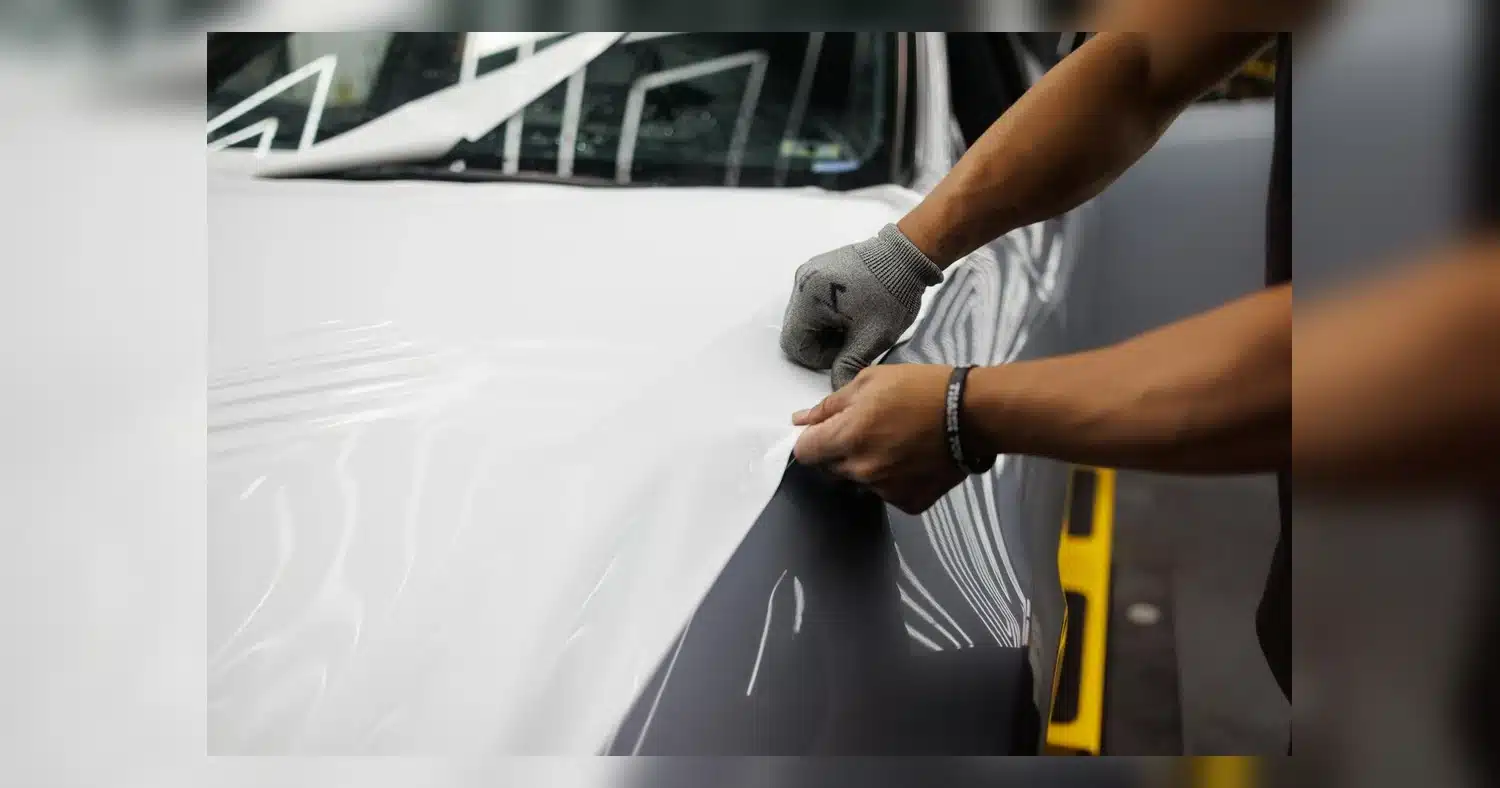
That is why truck wraps often make the most sense for contractors, home service companies, delivery brands, and trades that depend on local recognition in Toronto. Instead of paying continuously for clicks or recurring ad placements, you invest once in branding that can work every day. This article explains how to compare full wraps, partial wraps, and decals, how to estimate return on investment, what affects price, and when a wrap is likely to outperform other channels. If you want a quick baseline before requesting quotes, this vehicle wrap coverage cost guide is a useful starting point.
Not every wrap produces the same return. Vehicle size, coverage level, route density, creative quality, and installation standards all affect performance. Industry comparisons also consistently point to vehicle graphics as a cost-efficient offline advertising option when they are measured over time, as outlined in this vehicle wrap cost versus traditional advertising overview. The sections below focus on practical decision-making, not generic marketing claims.
Truck Wrap Options Explained: Full Wraps, Partial Wraps, and Truck Decals
The right choice depends on how much of the truck you want to cover, how much visibility you need, and how much you want to spend. In most commercial cases, full wraps create the biggest branding impact, partial wraps balance coverage and cost, and truck decals work best for targeted messaging or smaller budgets.
Full wraps
A Truck Full Wrap covers most or all painted surfaces, including doors, box sides, tailgate, hood, and cab panels. This is the strongest option for fleet vehicles, service trucks, delivery units, and companies that want maximum visibility in traffic and at job sites. A full wrap gives the designer more room for large contact details, bold graphics, and stronger brand recognition from a distance.
Partial wraps
Partial wraps cover only the most visible panels, usually by combining printed vinyl with the truck’s existing paint colour. They are a smart middle option for businesses that want a polished, professional look without paying for full coverage. Partial wraps work especially well when the vehicle colour fits the design, when the branding uses bold shapes, and when the message stays simple.
Truck decals
Truck decals are cut vinyl graphics such as logos, hours, unit numbers, website addresses, and short promotional messages. They are ideal for startups, single-truck operators, and businesses that only need identity and contact information on the vehicle. For many owners, truck stripes or logo decals are a low-cost way to brand the vehicle without committing to a larger wrap.
| Option | Visibility | Typical Use Case | Value Tradeoff |
|---|---|---|---|
| Full wrap | Highest | Fleet branding, lead generation, high-mileage trucks | Highest cost, strongest impact |
| Partial wrap | High | Service trucks, growing businesses, budget-conscious branding | Lower cost, slightly less coverage |
| Truck decals | Moderate | Logos, phone numbers, unit ID, starter branding | Lowest cost, limited visual presence |
| Hybrid setup | High | Decals plus partial wrap elements | Flexible pricing, scalable over time |
If you need a fast way to compare coverage levels, the vehicle wrap coverage cost guide can help you match the design scope to your budget before you request estimates.
Are Truck Wraps Worth It? A Practical ROI Model for Business Owners
Yes, truck wraps are worth it when the vehicle is seen regularly and the design is clear enough to drive action. The practical way to judge value is to compare total wrap cost against impressions, service life, and leads generated, instead of relying on broad claims about free advertising.
Start with cost per impression
A commercial truck can be seen by thousands of people over its lifespan, especially in a dense market like Toronto where trucks sit in traffic, park near job sites, and travel across mixed-use neighbourhoods. Vehicle graphics can deliver a very low cost per thousand impressions compared with recurring ads, which is why many owners treat the wrap as a long-life asset rather than a one-time decoration. One useful benchmark is discussed in commercial vehicle wraps and advertising value.
Use a simple ROI model
- Total wrap cost: design, print, and installation.
- Estimated lifespan: usually 3 to 5 years for quality vinyl with proper care.
- Annual cost: total cost divided by lifespan.
- Estimated impressions: daily driving exposure, parked visibility, and job-site exposure.
- Cost per lead: annual cost divided by leads attributable to the truck.
Example
If a partial wrap costs $3,000 and lasts 4 years, the annual cost is $750. If the truck helps generate even 10 tracked jobs per year, the cost per job from the wrap is $75 before considering repeat business. That is often more efficient than paying for repeated print ads or boosted posts that stop the moment the budget stops.
When the math works best
Truck wraps make the most sense when your vehicle is on the road often, your service area is local, and your business closes work from visual recognition. They are especially valuable for trades, delivery companies, contractors, and Toronto service businesses that already spend time in traffic and at customer-facing locations.
What Drives the Price of a Truck Wrap in Toronto
The biggest price drivers are vehicle size, body complexity, coverage level, material quality, and installation time. Two trucks that look similar at a glance can have very different quote ranges if one has deep curves, rivets, box panels, or hard-to-fit trim pieces.
Vehicle size and shape
Large box trucks, cube vans, and heavy-duty pickups require more vinyl and more labour than compact service trucks. Tall sides and long panels increase material use, while complex bodies with seams, handles, ladders, and access panels take longer to prep and install.
Coverage level
A full wrap costs more than a partial wrap because it covers more surface area and usually needs more printing, more lamination, and more installation hours. A lower-coverage design can still look strong if the layout uses the truck’s paint colour intentionally and keeps the message focused.
Design complexity
Simple logo placement and contact details are faster to produce than custom illustration, photo compositing, or multi-panel artwork with exact alignment. More revisions also add time, so a clean brand file and a clear brief can reduce delays and avoid extra design costs.
Material grade and installation labour
Premium cast vinyl, protective laminate, and paint-safe removal features usually cost more up front but hold up better against winter conditions, UV exposure, and frequent washing. Skilled installers charge more for precise work on curved panels, but that labour helps prevent edge lift, bubbles, and premature failure.
For Toronto truck decals and larger fleet projects, the final price also depends on turnaround timing, shop workload, and whether the vehicle needs prep work before installation. If you want the most predictable quote, share the truck model, photos from multiple angles, your branding files, and whether you are comparing vehicle wraps across multiple assets or just pricing a single truck.
Why Route-Based Exposure Matters for Local Service Businesses
For local service companies, a truck wrap earns its value through repetition. If your vehicles drive the same Toronto neighbourhoods every day, your branding is not seen once like a flyer or ad impression. It is seen repeatedly on the road, in driveways, at job sites, and in customer parking lots.
Visibility that matches how local buying decisions happen
Most homeowners do not search for a plumber, electrician, roofer, or HVAC company the exact moment they first notice the brand. They remember the name they have seen several times around the area, then search later when the need becomes urgent. That is why Toronto truck decals and Toronto vehicle wraps matter so much for businesses that work inside a defined service radius.
A vehicle parked at a renovation project on a residential street can generate attention for hours, not seconds. Neighbours walking dogs, school pickup traffic, delivery drivers, and nearby homeowners all see it. If the same truck is also on the Gardiner, the DVP, or local arterial roads each morning, that adds another layer of brand familiarity.
Job-site parking is silent advertising
For many trades, the best exposure happens while the crew is working. A branded truck in front of a home signals legitimacy, local activity, and social proof. It tells people that the company is already serving homes like theirs. That is especially useful for landscapers, painters, window installers, contractors, and restoration firms.
- Repeated exposure builds recall in the exact postal codes you want to win.
- Parked vehicles often get longer viewing time than moving ads.
- Local fleet branding makes a small company look more established.
- Route density improves return, especially when trucks visit the same neighbourhoods weekly.
Why route planning affects wrap value
Not every business gets the same advertising benefit. A sales rep who drives occasionally may get modest value. A mobile service brand with two to six trucks running full days across Etobicoke, North York, Scarborough, and the GTA usually gets far more. If you are comparing coverage options, a Truck Full Wrap generally creates stronger curbside impact than minimal graphics, while simple truck stripes may work better when budget is tight but route frequency is high.
How to Evaluate Wrap Quality Before You Buy
The fastest way to waste money on a wrap is to buy on price alone. Good-looking truck decals and vehicle wraps depend on materials, print quality, prep, installation skill, and warranty terms, not just the design mockup.
A practical buyer checklist
- Vinyl type: Ask whether the shop uses cast or calendered vinyl. For most commercial truck wraps, premium cast film is the safer choice because it conforms better to curves, lasts longer, and is less likely to shrink around edges and rivets.
- Print resolution and colour: Ask to see recent installs, not just digital proofs. Small text should stay readable from a few feet away, gradients should look smooth, and solid brand colours should be consistent across panels.
- Laminate: A wrap without laminate is usually a red flag for commercial use. Laminate helps protect against UV fading, scratches, road grime, and frequent washing.
- Surface prep: Proper cleaning matters. Wax, silicone, rust, chipped paint, and adhesive residue can all reduce bond strength. Good installers inspect the truck before production and flag problem areas early.
- Warranty coverage: Read the details. Does the warranty cover material failure only, or also lifting, peeling, fading, and installation defects? How long is labour covered?
- Installer expertise: Ask who is actually doing the install, how many commercial trucks they wrap each month, and whether they have experience around door handles, deep channels, hinges, and box corners.
Questions worth asking before approval
- Will old decals be removed, and is that quoted separately?
- Are body repairs needed before wrapping?
- How long will the truck be off the road?
- What care instructions apply after install?
If you are comparing estimates, use a vehicle wrap coverage cost guide to separate real differences in coverage from quality shortcuts. In Toronto, low quotes often hide thinner materials, rushed installs, or weak post-install support. A wrap that fails in 12 months is not cheaper than one that performs for years.
When a Truck Wrap Beats Other Advertising Channels
A truck wrap beats other ad channels when your business serves a local area, relies on trust, and puts vehicles on the road every day. For mobile brands, wraps often outperform short-lived campaigns because the vehicle keeps advertising whether you are driving, parked, or working on site.
Best-fit scenarios by channel
Vs. search ads: Google Ads are useful when people already have intent. But search costs can spike in competitive trades like plumbing, roofing, or personal injury support services. A wrap does not replace search, but it lowers dependence on paying for every click and helps people recognize your brand when they do search later.
Vs. billboards: Billboards provide broad exposure, but only in one fixed location and usually at a much higher monthly spend. A wrapped truck moves through multiple neighbourhoods in a single day and can concentrate impressions where your crews actually work.
Vs. social ads: Social media is strong for targeting, offers, and retargeting. It is weaker for proving local physical presence. A branded truck outside real homes and businesses signals that you are active in the market now.
Vs. flyers: Flyers are easy to distribute but easy to ignore. A clean, professional wrap gives repeated exposure with no recurring print-and-drop cost.
Vs. radio: Radio can build awareness, but listeners may not remember the name or phone number later. A wrap turns every service call into a visible brand touchpoint in the exact streets you want to dominate.
Where wraps are especially strong
- Home services with daily dispatch routes
- Contractors working on visible residential jobs
- Delivery, logistics, and specialty transport companies
- Businesses expanding within a defined GTA territory
Many businesses choose wraps because they can deliver lower long-term advertising cost than many traditional channels when the vehicle is used consistently. If your truck is rarely driven, wraps lose that advantage. But if it is on Toronto roads five or six days a week, truck wraps usually become one of the hardest-working parts of your marketing mix.
Common Mistakes That Reduce Results and Shorten Lifespan
The biggest losses come from wraps that are hard to read, poorly maintained, or installed on the wrong vehicle areas. Even a strong design can underperform if the call to action is too small, the coverage is mismatched to the route, or the finish is damaged by bad washing habits.
Design and message mistakes
- Using a logo that is too small to read at traffic speed.
- Putting the phone number, website, or service line in a low-contrast colour.
- Trying to say too much, which weakens the main offer.
- Skipping a clear action such as Call for same-day service or Book a site visit.
If the wrap is meant to generate leads, the message has to be readable from 10 to 20 feet away in city traffic. That matters even more for Truck Full Wrap projects because the larger canvas can tempt businesses to overload the layout.
Placement and coverage mistakes
- Wrapping panels that are hidden by toolboxes, ladder racks, or cargo doors.
- Choosing full coverage when the truck spends most of its time parked or loaded in a way that blocks graphics.
- Selecting partial coverage when the vehicle needs maximum visibility on highway routes.
A poor coverage choice can make the wrap look impressive in the shop and weak on the road. If you are comparing coverage options, a vehicle wrap coverage cost guide can help you match spend to exposure.
Cleaning and maintenance mistakes
- Using pressure washers too close to edges or seams.
- Applying abrasive brushes, degreasers, or solvent-heavy products.
- Letting road salt, fuel residue, and grime sit too long.
- Ignoring lifted corners, bubbles, or scratches until they spread.
Most commercial wraps hold up much better with regular gentle washing and quick touch-ups, and many industry installers note that proper care helps protect the expected service life of vehicle wraps over several years.
Maintenance and timing mistakes
Skipping inspections after winter, construction work, or long highway runs is expensive. Small edge lifts become dirt traps, and dirt makes future repairs harder. For fleets in Toronto, schedule checks after heavy salt season and after any body repairs so the graphics stay aligned and the adhesive bond stays clean.
A Buyer’s Checklist for Choosing a Truck Full Wrap or Truck Partial Wrap
The right choice comes down to route, budget, vehicle condition, and how much of the truck you need to turn into a mobile ad. A simple checklist makes it easier to compare quotes and avoid paying for coverage that will not improve results.
1. Confirm the truck specs before requesting quotes
- Year, make, model, and cab style
- Exact body length and height
- Photos of both sides, rear, and any curved panels
- Accessories that affect coverage, such as racks, toolboxes, or lift gates
- Any body damage, rust, or repainting that needs repair first
2. Match the coverage level to the job
A truck full wrap is usually the better fit when the vehicle has broad daily visibility, long route exposure, or needs a premium branded look. A truck partial wrap works well when you want strong impact at a lower cost, especially if the truck already has a clean paint colour that fits the design.
- Choose full wrap for maximum presence, larger graphics, and more space for messaging.
- Choose partial wrap for tighter budgets, faster turnaround, or simpler campaigns.
- Consider accents like truck stripes if you want added visibility without covering the entire vehicle.
3. Compare quotes the same way
- Ask whether design, print, laminate, and installation are included.
- Confirm the vinyl brand and laminate type.
- Check whether removal is part of the price later.
- Review warranty terms for fading, lifting, and workmanship.
- Make sure the quote lists the exact wrap area, not just a vague partial label.
4. Set a realistic timeline
Plan for design approvals, production, and installation separately. If your truck is tied to daily service routes in Toronto, ask how long the unit will be off the road and whether the installer can stage work around your business schedule. Rush jobs often create approval errors that are costly to fix.
5. Check the design for lead generation
- Business name and logo are readable at a glance
- Primary service is obvious in one short phrase
- Phone number or website is large enough to read in traffic
- Brand colours have enough contrast against the vehicle colour
- Optional QR codes do not replace a simple direct call to action
If you are still deciding between a truck full wrap or truck partial wrap, ask one final question: which option will create the most useful impressions for your actual routes, not just the biggest visual change in the shop?
For most local service brands, a truck wrap is worth it when the vehicle is used often, the message is easy to read, and the design matches your actual service area and sales goals. The smartest next step is to compare quotes by coverage level, expected lifespan, installation quality, and how many real impressions your truck is likely to generate each week.
Before you buy, gather your vehicle details, map your regular routes, decide whether a full wrap or partial wrap fits your budget, and ask each provider for material, laminate, and warranty specifics. If you want help narrowing down the right option, reviewing examples of truck full wraps can make it easier to compare visibility, cost, and long-term value.
Related Products and Services
If you are planning a similar project, these related options may help.
Helpful External Resources
These sources provide supporting background and additional context.
Are Truck Wraps Worth It?
For many businesses, yes. Truck wraps can generate repeated local impressions for a one-time cost, which often makes them more efficient than recurring ads. If your vehicle is on the road often and your branding is clear, the wrap can pay back through calls, quote requests, and brand recognition.
How long do truck wraps usually last?
A quality truck wrap typically lasts 3 to 5 years with proper care, and sometimes longer in milder conditions. Lifespan depends on vinyl quality, installation quality, sun exposure, washing habits, and how much the vehicle is driven.
Is a full wrap better than truck decals?
A full wrap gives you far more visual impact and more room for branding, so it is usually the better choice for maximum exposure. Truck decals are a smarter fit when you only need a logo, phone number, web address, or a simple message and want to keep costs lower.
What affects the cost of Toronto vehicle wraps the most?
The biggest cost factors are vehicle size, wrap coverage, design complexity, vinyl type, and installation time. Prep work, removal of old graphics, and body repairs can also change the final price.
How do I know if a wrap will pay for itself?
Estimate how many people will see the vehicle each day, then compare that exposure to your typical lead value. If the wrap generates enough extra calls, quotes, or jobs over its lifespan to exceed the upfront cost, it is likely worth it.
What should I prepare before ordering a truck wrap?
Have your logo in vector format if possible, along with high-resolution brand files, correct contact details, and clear vehicle measurements. Good prep helps avoid delays, keeps colours consistent, and improves the final fit and finish.
Get a Free Quote Today
Contact us at +1-(416) 288-8661 or Email us at info@Brandingcentres.com and let's get started.