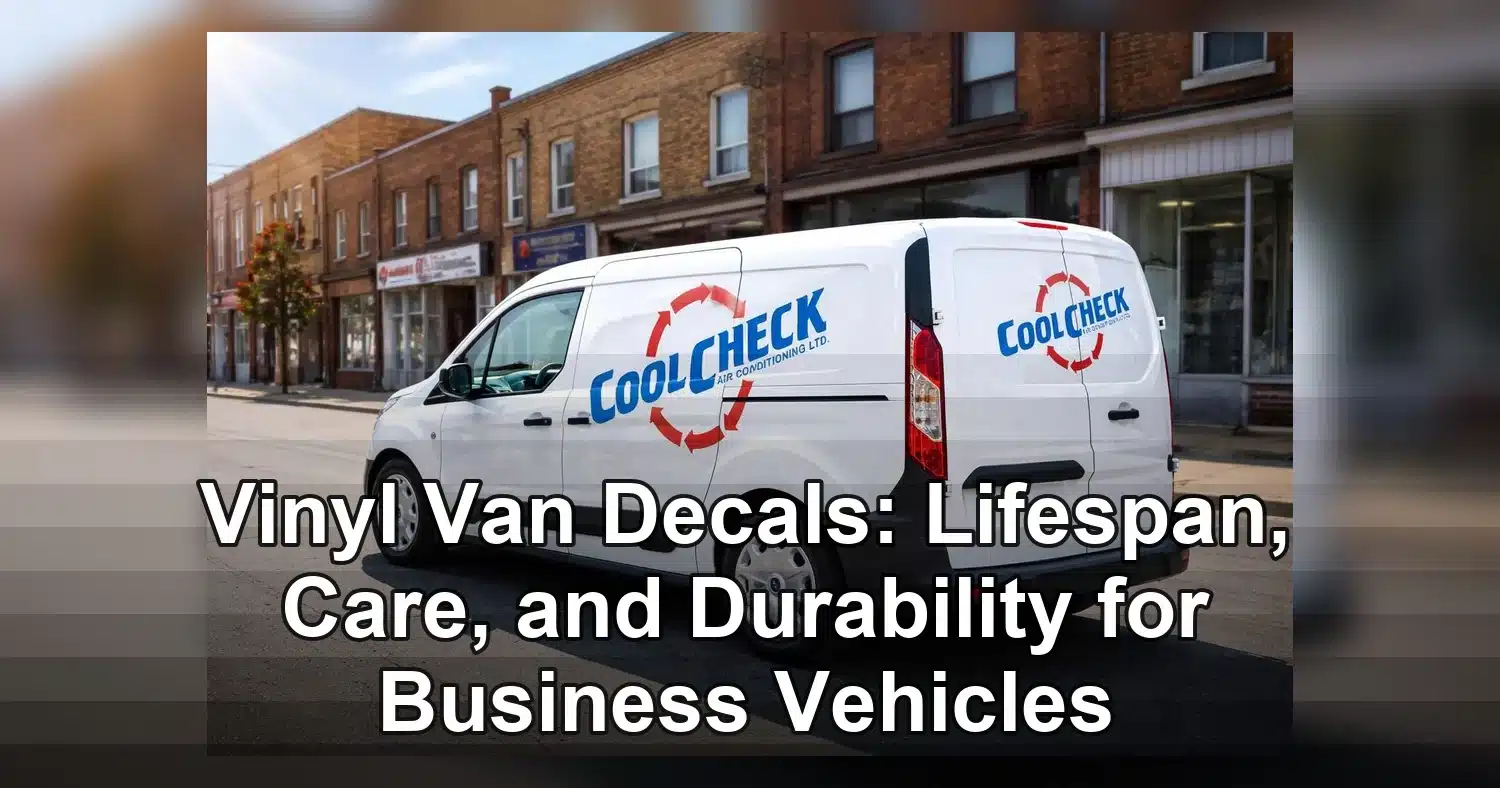
Vinyl Van Decals are a smart, high-visibility way for business owners to turn everyday driving into branding, but their lifespan depends on more than just the product itself. In many real-world commercial settings, quality decals can last several years, and care, climate, and installation all play a major role in how long they stay sharp and readable. For a related option that can change durability and coverage, see our van decals and lettering services.
Last updated: March 2026
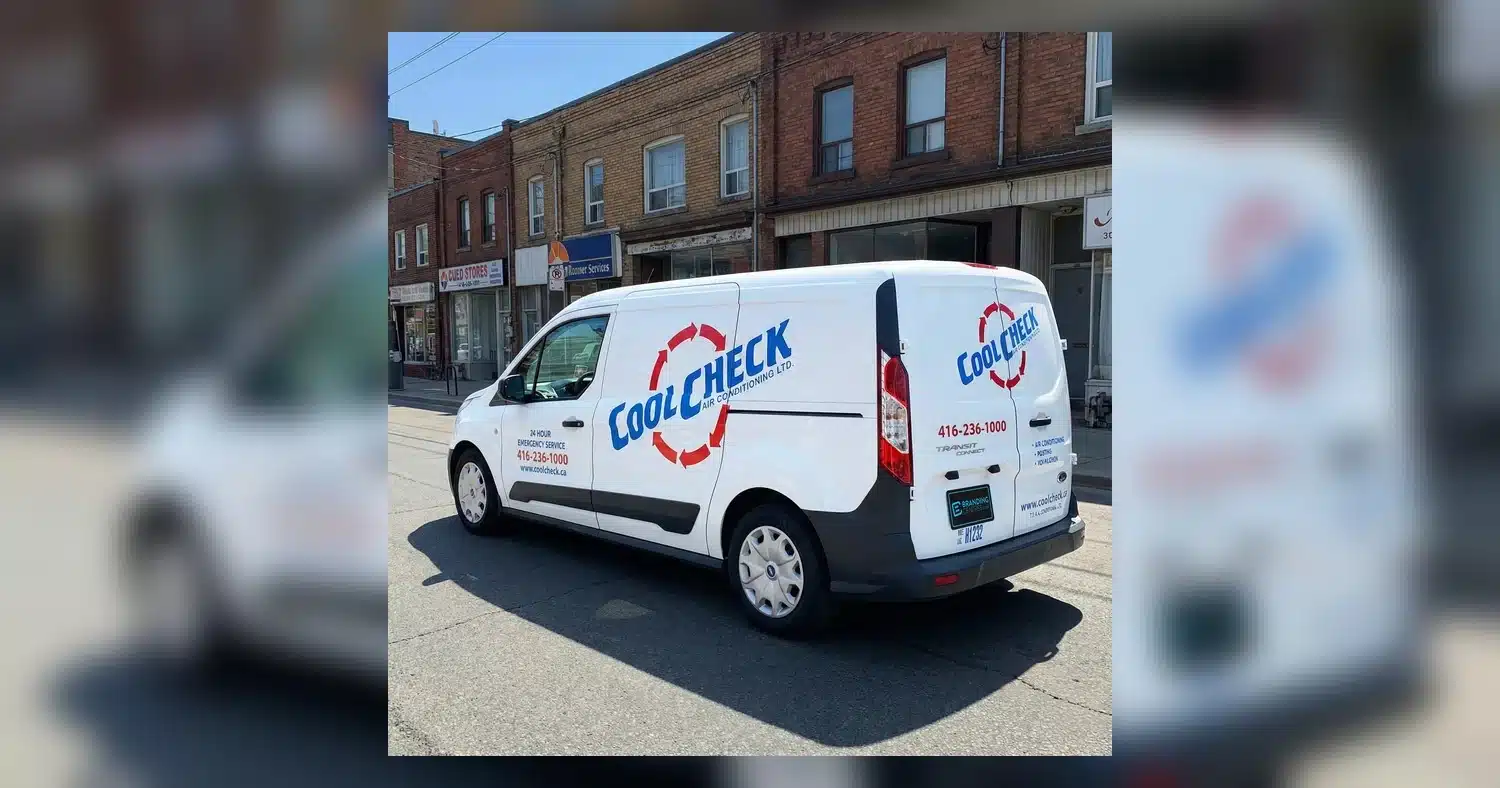
If you want a quick benchmark, third-party guidance also notes that properly made vehicle vinyl can last multiple years when maintained well, especially when protected from harsh conditions and routine abrasion, as explained in this vinyl lifespan overview. In this guide, we’ll break down what business owners should expect, what shortens decal life, and how to get the best return from your branding investment.
Vinyl Van Decals Lifespan: Expected Durability for Business Vehicles
For most business vehicles, Vinyl Van Decals are built to last several years, not just a few months. In everyday commercial use, many standard decal applications perform well for about 3 to 7 years, depending on the material, printing method, and how the van is cared for. Premium cast films can often last longer in favorable conditions, while budget-grade graphics may begin fading, shrinking, or lifting much sooner.
The main thing business owners should understand is that lifespan is not a single fixed number. A decal on a parked fleet van that spends most of its time indoors will usually outlast one on a service vehicle driven daily in full sun, road spray, and winter weather. Even the same design can age differently if it is applied to a textured panel, a repaired body panel, or an area exposed to constant abrasion.
If your company relies on branding consistency, it helps to think about Vinyl Van Decals as a maintenance item, similar to tires or signage. That means planning for eventual replacement and factoring durability into your budget. Many businesses choose decals for spot graphics, van decals lettering, or fleet identification because they offer strong visibility with relatively manageable upkeep.
In general, shorter life expectancy is tied to heat, UV, washing habits, and installation quality. Longer life is tied to higher-grade film, better adhesives, and vehicles that are stored properly. Understanding these variables makes it easier to choose the right solution for your routes, your climate, and your branding goals.
Materials and Adhesives: How Film Type Impacts Longevity
The type of vinyl film used on a van has a major impact on how long the graphics stay sharp and secure. Calendered vinyl is common for lower-cost projects and short to medium term use. It is a practical choice for simple graphics, but it is generally less conformable and more likely to shrink over time than higher-end materials. Cast vinyl, on the other hand, is thinner, more flexible, and typically more durable, which makes it a strong option for commercial van use.
Adhesive choice matters too. Most quality vehicle graphics use pressure-sensitive adhesives designed to grip painted metal without damaging the finish during removal. Some adhesives are made for easier repositioning during installation, while others are engineered for stronger long-term bonding. For business vehicles that see daily road use, a stable automotive-grade adhesive is usually the better fit because it helps reduce edge lift and premature peeling.
Best material fit for commercial vans
- Cast vinyl: Best for long-term branding, curves, recessed areas, and high-mileage vehicles.
- Calendered vinyl: Better for shorter campaigns, flat panels, or lower-budget applications.
- Laminated graphics: Helpful when extra protection against abrasion and fading is needed.
For businesses that want durable vehicle graphics, choosing the right film is often more important than choosing the boldest design. A well-matched material performs better on the road and tends to keep its color longer. If your branding includes full coverage or larger van full wraps, material selection becomes even more important because the graphics cover more surface area and face more exposure.
For reference, vinyl sticker lifespan also varies by film quality and conditions, which is the same principle that applies to larger vehicle graphics.
Environmental Factors: Sun Exposure, Salt, and Climate Effects on Van Decals
Environment is one of the biggest reasons Vinyl Van Decals age at different rates. Direct sun exposure can weaken color pigments and dry out the film over time. UV light is especially hard on parked vehicles that sit outdoors for long hours, because the graphic receives constant exposure even when the van is not moving. In hotter regions, heat can also speed up adhesive aging and make the vinyl more prone to shrinking or edge curl.
Winter weather creates a different set of problems. Road salt, slush, and repeated freeze-thaw cycles can work into seams and lift the edges of decals. Humidity can also affect how well the surface stays bonded, especially if the vehicle is frequently washed and then stored in damp conditions. In coastal areas, salt air can be just as challenging as road salt because it adds another layer of corrosion and wear.
Ways to reduce environmental damage
- Park in a garage, covered bay, or shaded area whenever possible.
- Wash off salt and grime regularly, especially during winter months.
- Avoid harsh pressure washing at decal edges.
- Use UV-resistant films and overlaminates when long-term performance matters.
Climate also affects how graphics behave on the vehicle. Rapid temperature swings can cause materials to expand and contract, which puts stress on seams and corners. That is why fleets in harsh weather regions often benefit from more durable van stripes and other graphics made with tougher film construction.
Businesses that operate in demanding weather should expect more frequent inspections and faster replacement cycles. A little preventive care goes a long way, and it can noticeably extend the working life of both decals and larger USDOT number decals.
Installation Quality and Surface Preparation: Why Proper Application Extends Life
Even high-quality Vinyl Van Decals can fail early if the installation is rushed or the surface is not prepared correctly. Proper application starts with a clean, dry, contaminant-free panel. Dirt, wax, grease, road film, and old adhesive residue can all prevent a strong bond, which increases the chances of bubbling, lifting, and premature edge failure.
Professional installers usually prep the vehicle carefully before applying graphics. That can include washing, degreasing, and using alcohol-based cleaners to remove invisible residues. On some surfaces, a primer may be used at corners, seams, or textured areas to improve adhesion. This is especially helpful on vans with tricky body lines or panels that receive frequent flexing.
Why professional installation matters
- Reduces trapped air and visible bubbles.
- Improves edge sealing on corners and seams.
- Helps the decal conform to curves and recessed areas.
- Lowers the chance of early peeling from poor bonding.
Surface preparation is especially important for business vehicles that need a polished, professional look every day. A decal that is installed correctly will usually hold up better under washing, weather, and constant driving. By contrast, even premium materials can fail early if they are applied over dirt, wax, or oxidation.
For commercial fleets, proper installation is one of the most cost-effective ways to extend graphic life. It helps protect the vehicle finish, improves the appearance of the branding, and supports a longer service life for all types of vehicle decals, from simple lettering to larger graphic systems.
Maintenance and Cleaning: Practical Care Tips for Maximizing Lifespan
Routine care is one of the easiest ways to extend the life of Vinyl Van Decals. A simple schedule helps prevent dirt buildup, adhesive stress, and early edge lifting. For most business vehicles, a weekly wash and a monthly close inspection are enough to catch small issues before they become costly repairs.
Recommended Care Schedule
- Weekly: Rinse off road grime, salt, and debris with clean water.
- Every 2 to 4 weeks: Wash with a mild automotive soap and a soft microfiber mitt.
- Monthly: Inspect edges, seams, corners, and any high-wear areas around handles or trim.
- After storms or winter driving: Remove salt, mud, and residue as soon as possible.
Best Cleaning Methods
Use a pH-neutral car soap, lukewarm water, and a microfiber cloth or mitt. For stubborn spots, a diluted isopropyl alcohol solution can help with light residue, but test carefully on a small area first. If you need a reference point for other graphics care, this guide on vinyl sticker lifespan and care gives practical maintenance tips that apply well to vehicle graphics too.
Do and Don’t Practices
- Do: Hand wash whenever possible.
- Do: Dry with a clean microfiber towel to reduce water spotting.
- Do: Park in shade or covered areas when you can.
- Don’t: Use pressure washers too close to the edges.
- Don’t: Scrub with abrasive pads, stiff brushes, or harsh chemicals.
- Don’t: Let bird droppings, fuel, or tree sap sit for long periods.
If your graphics include lettering, stripes, or regulation markings, be especially careful around seams and fine details such as van decals lettering and USDOT number decals. These smaller elements can lift faster if they are repeatedly exposed to edge pressure, grime, and aggressive cleaning.
Cost, Lifespan, and Warranty Comparison
Choosing between decal styles and a full wrap usually comes down to budget, branding goals, and how long you need the graphics to last. In general, smaller Vehicle Decals cost less up front, while a full Vinyl Wrap delivers more coverage and stronger visual impact at a higher price. Warranty terms also vary based on material grade, print method, and installer.
| Graphic Type | Typical Cost Range | Expected Lifespan | Common Warranty Range |
|---|---|---|---|
| Cut vinyl decals and lettering | Low | 3 to 7 years | 1 to 5 years |
| Printed decals and spot graphics | Low to moderate | 2 to 5 years | 1 to 3 years |
| Striping and accent graphics | Low to moderate | 3 to 6 years | 1 to 5 years |
| Partial van wrap | Moderate | 4 to 6 years | 3 to 5 years |
| Full van wrap | High | 5 to 7 years | 3 to 7 years |
For businesses comparing coverage options, van full wraps usually offer the most brand visibility, while decals provide a lower-cost way to refresh logos, contact information, or service messages. If your fleet is subject to frequent wear, seasonal exposure, or long route hours, it is worth budgeting for higher-grade materials and professional installation. Planning for replacement before graphics look worn can often save money on emergency reprints and downtime.
When to Repair, Reapply, or Replace: Signs Your Van Decals Need Attention
Most Vinyl Van Decals do not fail all at once. They usually show warning signs first, which gives you time to repair or replace them before the damage spreads. Catching problems early protects both your vehicle appearance and your brand image.
Visible Signs of Failure
- Lifting edges or corners
- Cracking, splitting, or peeling
- Fading that makes colors look washed out
- Wrinkling, bubbling, or shrinking
- Discoloration or adhesive residue around the edges
- Missing pieces from impact, abrasion, or weathering
Functional Signs It Is Time to Act
If graphics no longer read clearly from a distance, your marketing message is losing value. If letters are missing, logos are distorted, or reflective or regulatory markings are damaged, you should address them quickly. For service vehicles and fleet units, damaged graphics can create a poor impression even when the van is otherwise clean.
Repair, Reapply, or Replace Thresholds
- Repair: When only a small edge lift or corner issue is present.
- Reapply: When a section has come loose but the rest of the decal is still in good condition.
- Replace: When fading, cracking, or adhesive failure affects readability or appearance across a large area.
Temporary fixes can buy time, but they are not permanent. A mild cleaning, careful drying, and edge re-seating may help short-term. For larger damaged areas, remove loose pieces and schedule reinstallation before dirt gets under the graphic. If the issue affects branded strips or side accents, a quick replacement of matching van stripes can restore a clean look without redoing the entire vehicle.
Choosing Between Decals and Full Vinyl Wraps for Long-Term Branding
For long-term branding, the right choice depends on how much surface area you want to cover, how often the design may change, and how much maintenance you are willing to handle. Vinyl Decals are ideal when you want a simple, affordable way to display logos, phone numbers, service areas, or compliance details. A full wrap is better when the vehicle itself should become a moving billboard.
Decals: Best for Flexibility and Lower Upfront Cost
Decals work well for smaller businesses, seasonal promotions, and fleets that need easy updates. They are faster to replace, usually less expensive, and simpler to maintain because they cover less of the vehicle. That makes them a good choice if your branding changes often or if you want to limit the amount of exposed vinyl on the van.
Full Wraps: Best for Maximum Visibility
A full wrap gives the strongest visual impact and creates the most consistent branding across the van. It can also help preserve paint by covering large sections of the body. However, it costs more, takes longer to install, and usually requires more careful cleaning and removal planning over time. If your priority is presence and broad reach, full van wraps are the stronger long-term branding investment.
How to Decide
- Choose decals if: you want lower cost, simpler upkeep, and targeted messaging.
- Choose a full wrap if: you want maximum brand visibility and a more unified look.
- Choose both if: you need a hybrid approach with logos, lettering, and larger branded panels.
For many business owners, the best answer is not one or the other but a mix of both. A clean decal package can be highly effective when paired with strategic graphics like van stripes or bold lettering. If you need long-term impact with fewer visual compromises, a full wrap usually wins. If you need cost control and easier maintenance, decals are often the smarter first step.
In general, well-made vinyl van decals can deliver strong branding for years when the right materials, installation, and maintenance are in place. If you are weighing a refresh or planning a new fleet, start by matching the decal type to your driving conditions and branding goals, then request a quote for the best-fit solution.
Related Products and Services
If you are planning a similar project, these related options may help.
Helpful External Resources
These sources provide supporting background and additional context.
How many years do Vinyl Van Decals typically last on a commercial vehicle?
With quality materials and proper care, Vinyl Van Decals typically last about 3 to 7 years on a commercial vehicle. Lifespan depends on sun exposure, climate, washing habits, and whether the decals were professionally installed and sealed.
What maintenance routine will extend the life of my van decals?
Wash the van regularly with mild soap and water, avoid pressure washing edges, and dry the surface gently. Park in shaded or covered areas when possible, and inspect the decals often so you can catch lifting, cracking, or edge wear early.
Can damaged or lifted decals be repaired or partially replaced?
Yes, in many cases. Small lifted areas can sometimes be re-adhered, but cracked, faded, or heavily damaged sections are usually best replaced. Partial replacement works well if the original design and print files are available.
How do Vinyl Van Decals compare to full vinyl wraps in durability and cost over time?
Vinyl Van Decals usually cost less upfront than full wraps and are a good choice for logos, lettering, and spot graphics. Full wraps offer more coverage and can provide longer-lasting impact for branding, but they generally cost more to install and replace over time.
What factors make Vinyl Van Decals wear out faster?
Strong UV exposure, extreme temperatures, frequent power washing, road salt, and poor surface preparation can shorten decal life. Decals on high-contact or high-curvature areas may also wear faster than those on flat, protected panels.
Get a Free Quote Today
Contact us at +1-(416) 288-8661 or Email us at info@Brandingcentres.com and let's get started.