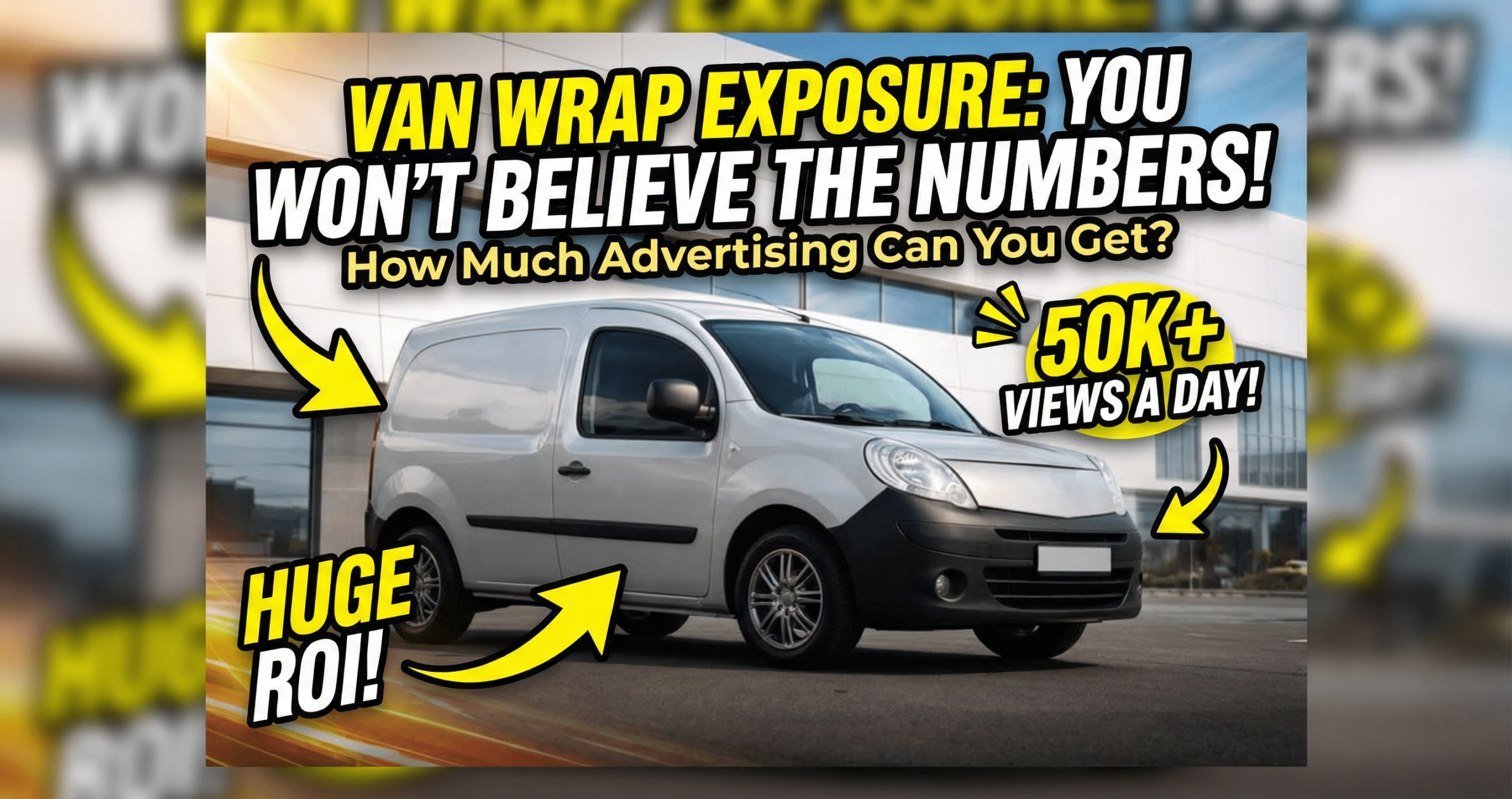
Van Wrap Advertising can generate strong local visibility for service businesses, trades, delivery companies, and fleet operators, but the real value comes from where the vehicle is driven, how long it is parked in public view, and how readable the message is at a glance. A wrapped van moving through dense neighborhoods, retail corridors, school zones, and job sites will usually create far more useful impressions than one that spends most of the day on highways or inside a yard. In other words, the wrap is only part of the equation. Route quality, parking habits, and design clarity determine how much attention the vehicle actually earns.
Last updated: April 2026
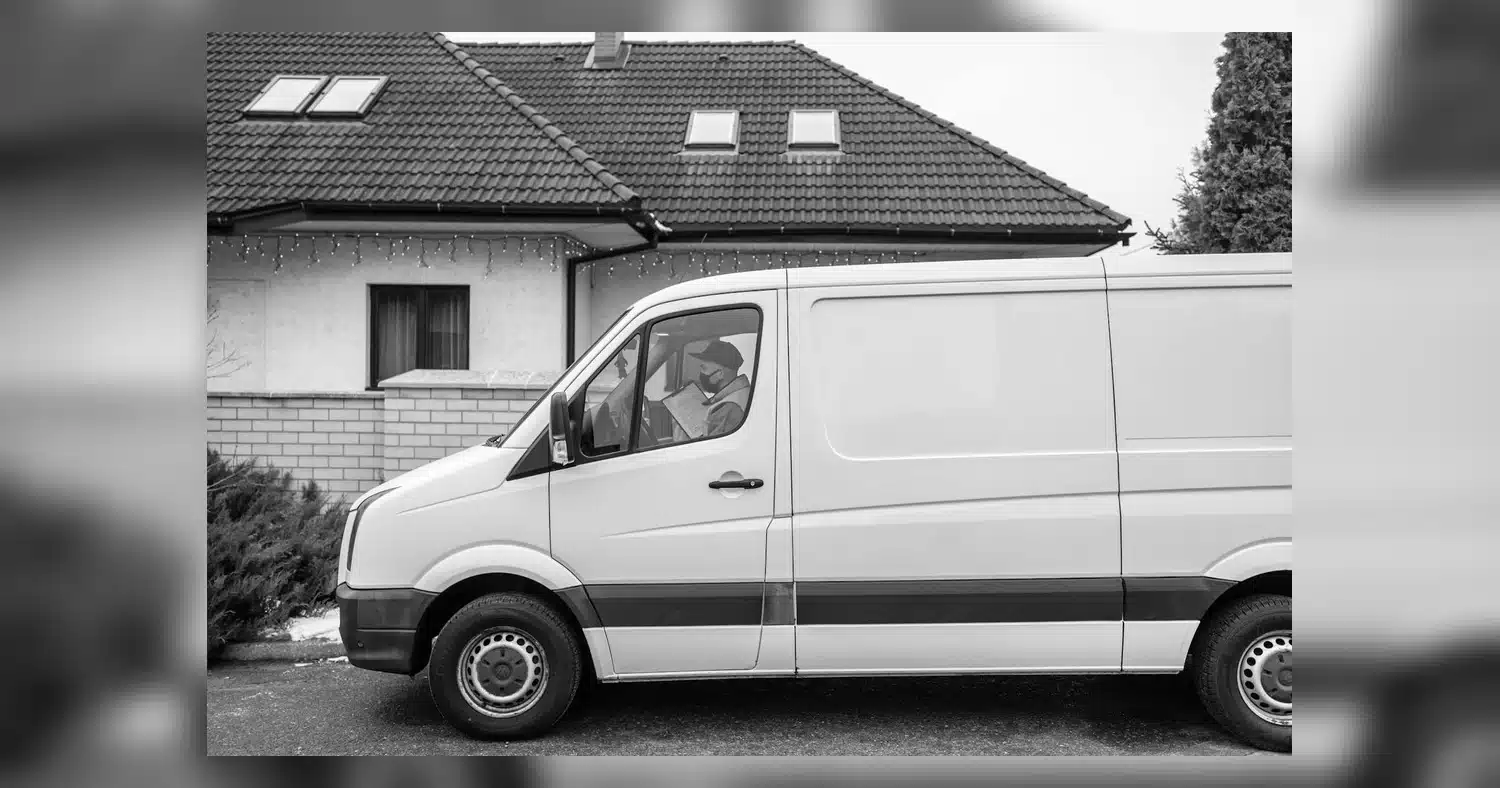
That is why business owners should think about van wraps as ongoing local media, not one-time decoration. When the layout is simple, the contact details are easy to read, and the van is seen often in the right areas, the wrap can help a business look established and memorable. If you want a real-world reference for how a service van can be branded effectively, this Sprinter van wrap example shows how a clean layout can support recognition without overcomplicating the design.
What Van Wrap Advertising Can Actually Deliver
Van Wrap Advertising delivers repeated local exposure first and direct leads second. That order matters. Most people do not call the first time they see a vehicle, but repeated exposure in the same neighborhoods can make a business feel familiar, available, and trustworthy when a need finally comes up.
The strongest benefit is frequency. A wrapped van that appears every day in the same service area creates repeated brand contact with homeowners, property managers, nearby businesses, and other drivers. Over time, that repetition can help the company name stick. If the vehicle is also parked on-site for long stretches, the wrap continues working even when the engine is off.
What business owners should realistically expect
Expect brand awareness, local credibility, and support for future searches. A good wrap can make a company look larger, more organized, and easier to remember. It can also reinforce other marketing efforts such as online reviews, local SEO, and Google Business Profile visibility.
Do not expect the wrap to perform equally well in every driving condition. A van that spends 80 percent of its time on open highways will usually produce less meaningful local recall than a van that moves slowly through residential streets and commercial districts. Exposure is strongest where there is dwell time, repeated sight lines, and a clear target audience.
For many businesses, the best way to judge performance is to ask one simple question: does this vehicle spend enough time in front of the people I want to reach? If the answer is yes, a full van wrap can create a strong mobile billboard effect. If the answer is no, even the best design will have limited impact.
Industry guidance from vehicle wrap providers reflects the same idea: wraps work best when vehicles are visible in traffic, parked in public areas, and used regularly within the business’s service footprint.
Where the Impressions Come From: Routes, Parking, and Daily Mileage
The number of impressions comes from route quality, not just total miles. A van can drive a lot and still be poorly placed from a marketing standpoint if most of those miles happen outside the target area. By contrast, a shorter route through busy neighborhoods, mixed-use streets, and client-heavy zones can produce better visibility and stronger recall.
Impressions usually come from five repeatable moments: slow neighborhood driving, stops at job sites, curb parking, commuter traffic, and shared public parking. Each of those creates a chance for someone to read the business name, service, and contact details. If the van is seen again later in the same area, the brand becomes easier to remember.
The highest-value exposure moments
- Jobsite stops: A parked van in front of a home, office, or storefront can act like a temporary sign for hours at a time.
- Neighborhood driving: Slower streets give pedestrians and drivers more time to notice and read the graphics.
- Street parking: Overnight curb parking or day parking in visible areas adds impressions without extra driving.
- Commuter traffic: Stop-and-go roads increase dwell time and make side panels and rear doors more visible.
- Fleet size: Multiple wrapped vehicles expand geographic reach and create more route variety.
Daily mileage matters, but it is only one variable. Forty local miles in a dense service area can outperform 120 miles of highway travel if those local miles happen where customers live and work. That is why route planning is so important for Van Wrap Advertising. The wrap itself does not create demand in a vacuum. It reinforces demand in places where the business already has a chance to win work.
Parking behavior also has a direct effect on visibility. A van left on a driveway, curb, apartment lot, or commercial block can continue generating views throughout the day and evening. The same principle applies to simpler branding systems such as van stripes, which still create local recognition when the vehicle stays visible in the right neighborhoods.
For fleets, the benefit compounds. Each vehicle can cover a different part of the service area, expose the brand to a different audience, and produce more repeated sightings across the week. If you run several vans, measure reach by looking at where each unit parks, how often it stops, and whether it is seen by the same local audience more than once.
Full Wrap vs Partial Wrap vs Vinyl Decals: Which Gets the Best Exposure?
The highest exposure usually comes from a full wrap, but the best value depends on budget, route patterns, and brand goals. Full coverage gives the largest canvas and the strongest visual impact from multiple angles. Partial wraps and vinyl decals are more affordable and can still perform well when the vehicles are seen often in the right places.
The key question is not only which option looks best, but which one will be seen enough in your actual service area to justify the investment. A van that parks on residential streets all day may perform well with a simpler layout. A van that moves quickly through traffic may need larger graphics and stronger contrast to stay readable.
| Format | Coverage | Exposure Potential | Branding Impact | Best For |
|---|---|---|---|---|
| Full Wrap | Most of the van, including sides, rear, and often partial roof areas | Highest, because it maximizes visible surface area from multiple angles | Very strong, with room for bold graphics, service list, and contact details | Businesses that want maximum local presence and a polished fleet look |
| Partial Wrap | Selected panels such as sides, rear, hood, or upper sections | High in local traffic, especially when the base color is used well | Strong if the layout is simple and placed on the most visible panels | Owners balancing visibility with a tighter budget |
| Van Decals | Logo, phone number, web address, and service message on key panels | Moderate, but effective when the van is parked often in target neighborhoods | Clean and professional, though less immersive than a wrap | Businesses that want branding without covering most of the paint |
| Vinyl Decals | Smaller elements such as lettering, logos, stripes, or panel accents | Lower per vehicle, but still useful for repeated local exposure | Good for minimal branding, route identification, or fleet consistency | Startups, service vans, and fleets that need affordable visibility |
How to choose the right option
If your vans spend most of the day in dense service areas, a full wrap often gives the best return because it is easy to recognize from the side, rear, and at a distance. If the budget is tighter, a partial wrap can still do strong work when the design focuses on the rear doors and both side panels, where traffic is most likely to see it.
Vinyl decals and van decals are best when the goal is simple branding. They are less immersive than a full wrap, but they can still create steady recall when the vehicle is parked in front of homes, stores, or job sites throughout the day.
For businesses that want a lighter visual treatment, a partial layout can be a smart middle ground. It does not dominate the road the way a full wrap can, but it can still create a memorable profile if the colors, typography, and spacing are handled well.
As a rule, exposure increases as coverage increases, but readability matters just as much. Large, simple graphics that can be understood in a few seconds will usually outperform crowded layouts, no matter which format you choose.
Design Choices That Make a Van Wrap Readable at Drive-By Speed
The best Van Wrap Advertising is built for fast reading, not close inspection. Drivers and pedestrians usually have only a few seconds to notice the vehicle, understand what it does, and remember how to contact the business later.
Start with a simple message hierarchy
Lead with the business name, then the main service, then the contact point. If someone only sees one part of the design, it should still tell them what you do. A direct label such as plumbing, roofing, pest control, cleaning, or mobile grooming is often more effective than a slogan that needs explanation.
A practical wrap layout usually follows a clean path: logo, service line, phone number or website, then a short supporting message. Many effective vehicle wrap designs use one primary focal point per side so the eye does not have to compete with too many words or images.
Use contrast that survives motion and weather
High contrast is essential. Dark text on a light background, or white text on a deep color, is easier to read from a distance than gradients, busy photos, or low-contrast color combinations. Good contrast matters in bright sun, low light, rain, and motion blur.
Keep most text short and oversized. A phone number should be readable from a nearby lane. A website should be simple enough to remember without mistakes. Product pages from vehicle wrap suppliers commonly emphasize the same point: visibility is the point of the format, so the layout has to support quick recognition.
Typography and logo size should match the viewing distance
Use bold fonts with open spacing. Script fonts, thin strokes, and compressed letters tend to disappear on curved panels, around seams, or when seen across traffic. The logo should be recognizable even if a viewer never reads the rest of the copy.
For larger vans such as Sprinters, the side panels can handle a bigger logo and a stronger service message. If the brand needs a lighter treatment, coordinated accents like van stripes can add recognition without making the layout feel crowded.
Keep contact details practical
- Use one phone number, not several numbers for different departments.
- Choose one short website or a simple landing page URL that is easy to remember.
- Use a QR code only if it is large enough to scan safely when the vehicle is parked.
- Place the call to action on side panels and rear doors, where it will be seen most often.
Good design turns motion into memory. A clean full wrap can increase recognition because the viewer understands the message quickly. A cluttered wrap can make even a high-quality install feel hard to notice.
What Affects Pricing and Payback for Business Owners
Van Wrap Advertising pricing depends on vehicle size, coverage level, install complexity, material quality, design labor, and fleet volume. The more surface area and detail involved, the more time and material the project requires.
Main cost drivers
- Van size and shape: A compact van is usually cheaper to cover than a high-roof cargo van or extended-wheelbase model.
- Coverage level: Vinyl decals are the least expensive, partial wraps usually sit in the middle, and a full van wrap is typically the highest investment.
- Install complexity: Rivets, recessed channels, handles, deep curves, and textured surfaces add labor.
- Material quality: Better cast film and laminate usually cost more upfront but can last longer and hold color better.
- Design work: Custom illustration, brand cleanup, and photo compositing increase prepress time.
- Fleet volume: Multiple units often reduce the per-vehicle cost because layout, ordering, and installation become more efficient.
How pricing connects to ROI
Payback is usually measured against local impressions, lead volume, and how long the wrap stays in service. If a van is on the road every day, the effective cost per impression often drops over time because the wrap keeps working long after the install is paid for.
That is why business owners should compare wrap pricing against other recurring marketing costs. A higher upfront spend can still produce strong return if the vehicle is used often, the message is clear, and the routes keep the brand in front of potential customers. For route-heavy contractors, a full graphic treatment may make the most sense. For smaller operators, a simpler branding package may deliver better payback if the van is parked in public often and the message is focused.
Budgeting for durability and downtime
It is also smart to factor in installation timing and vehicle downtime. A more complex job can take longer to print, finish, and install, especially if the van needs surface prep or old graphics removed first. Choosing quality materials and an experienced installer may raise the quote, but it can lower the chance of peeling, fading, or early replacement.
For fleets, the economics improve when the same design system is rolled out across multiple vehicles. The workflow becomes more efficient, the fleet looks consistent, and each wrapped van adds to a larger local presence.
Common Mistakes That Reduce Exposure or Shorten Wrap Life
The biggest mistakes are usually the ones that make the wrap harder to read or easier to damage. If the design is cluttered, the film is weak, or the install is rushed, the van loses both advertising value and service life.
Overcrowded graphics and weak call to action placement
Too much text is one of the fastest ways to lose attention. When a wrap tries to list every service, every credential, every social platform, and every slogan, the message becomes hard to process at traffic speed. A weak CTA can also disappear if it is too small or placed where doors, seams, or wheel arches break it up.
Keep the message short and direct. The viewer should know what you do, who you are, and how to reach you without decoding the design.
Poor maintenance after installation
Wraps last longer when they are cleaned gently and inspected regularly. Harsh chemicals, pressure washing too close to the film, and heavy dirt buildup can dull the finish and stress the edges. Parking habits matter too, since constant sun exposure and debris can age the film faster.
Simple upkeep protects exposure. A clean, intact wrap looks professional from a distance and helps the brand stay credible in daily traffic.
Low-grade film and rushed installation
Cheap material can shrink, lift, or fade sooner than higher-quality cast film. Rushed installs also create bubbles, lifted seams, misalignment, and premature edge failure. These problems are more likely when the van is not fully cleaned, when the surface is not prepared correctly, or when the installer tries to finish too quickly.
- Choose the right film for the vehicle’s shape and use.
- Make sure the installer prepares the surface thoroughly.
- Allow adequate curing time before heavy washing or harsh use.
- Inspect corners, door edges, and seams after the first few weeks.
For business owners, the cost of a bad install is not just cosmetic. It can reduce impressions, shorten the wrap’s lifespan, and force earlier replacement. A carefully built design paired with experienced installation gives Van Wrap Advertising the best chance to keep working day after day.
How to Plan a Van Wrap Campaign That Brings in Leads
The best Van Wrap Advertising campaigns start with a lead plan, not just a design proof. Before approving colors, logos, or a vinyl wrap layout, decide what counts as success, where the vehicle will be seen, and how response will be tracked by area.
Set the campaign goal before you choose the wrap
Most businesses should choose one primary objective for each wrapped vehicle: more inbound calls, more quote requests, more branded searches, or stronger recall in a defined service area. If your van works inside a 10 to 20 mile radius, build the message around that territory. A plumber, HVAC company, electrician, or restoration contractor should make the service, city names, and phone number instantly clear.
If you are comparing options, ask whether a full wrap for a work van or a simpler decal package fits your routes, parking habits, and budget. Many installers point out that vehicle graphics work as repeated local impressions when vans are on the road or parked at job sites, which is why vehicle wrap advertising is often used as a long-term brand visibility tool.
Use a buyer checklist when selecting a wrap partner
- Ask what vinyl brand and laminate they use, and whether the film is suitable for curves and rivets.
- Confirm who handles design, print, install, and removal.
- Request photos of similar service van wrap projects, not just passenger cars or promo vehicles.
- Get a realistic timeline for proofing, production, install days, and vehicle downtime.
- Ask how they prepare the vehicle, especially if it has older paint, body damage, or existing van decals.
- Review warranty terms for fading, lifting edges, and installation defects.
Build tracking into the design
Do not rely on a vague sense that business got busier after the wrap. Use a call tracking number, a short landing page URL, or a QR code only if it supports a clear offer. For local service companies, the simplest method is often the best: one memorable phone number, one service-area page, and one offer such as free estimates.
You can also assign different vehicles to different neighborhoods or route clusters. If one van covers north suburbs and another covers downtown, use separate tracking numbers or landing pages. That turns Vehicle Wraps from branding alone into measurable lead sources.
Align the message with where the van actually works
Your wrap should reflect your real service area. If your Google Business Profile, paid search, and dispatch map focus on specific towns, the van should name those same locations. Keep the core message limited to service, location, and contact method. If you want a lighter branding approach, van stripes and side branding can still support local recognition when the same routes are driven every week.
Good Van Decals, Vinyl Decals, and partial wrap layouts work hardest when the right people see the right message repeatedly in the places you already sell.
For most business owners, the smartest way to approach a van wrap is to estimate exposure before buying. Map the service area, review daily stops and mileage, note where the vehicles park in public view, and keep the message simple enough to read in motion. Then compare coverage options against budget and how often each vehicle is actually seen.
If you are planning Van Wrap Advertising, get quotes from experienced installers, ask about material quality and expected lifespan, and track calls, form fills, or direct traffic after launch so you can judge payback clearly. A good next step is to shortlist your routes, your core offer, and your ideal wrap format before requesting design concepts.
Related Products and Services
If you are planning a similar project, these related options may help.
Helpful External Resources
These sources provide supporting background and additional context.
How many people can see a van wrap in a day?
It depends on the route, traffic density, parking time, and how often the van is seen in populated areas. A local service van in a busy market can create hundreds or even thousands of useful daily impressions, while a highway-heavy route usually produces less local recall.
Is a full wrap better than van decals for exposure?
Yes, a full wrap usually delivers the strongest exposure because it covers more of the vehicle and creates a larger branded surface from multiple angles. Van decals can still work well for smaller budgets, but full wraps generally give the most visual impact.
How long does Van Wrap Advertising usually last?
Most professionally installed wraps last about 5 to 7 years with proper care. Longevity depends on the quality of the film, installation skill, sun exposure, washing habits, and how often the vehicle is used.
What makes a van wrap generate more leads?
Clear messaging, strong contrast, readable contact information, and frequent exposure in the right service area all help. The wrap works best when it supports other lead channels such as reviews, search visibility, and a clear service offer.
How much does Van Wrap Advertising cost?
Cost depends on the van size, coverage level, design complexity, material quality, and install difficulty. Vinyl decals are usually the least expensive, partial wraps are mid-range, and full wraps are the highest investment but often deliver the strongest visibility.
Get a Free Quote Today
Contact us at +1-(416) 288-8661 or Email us at info@Brandingcentres.com and let's get started.