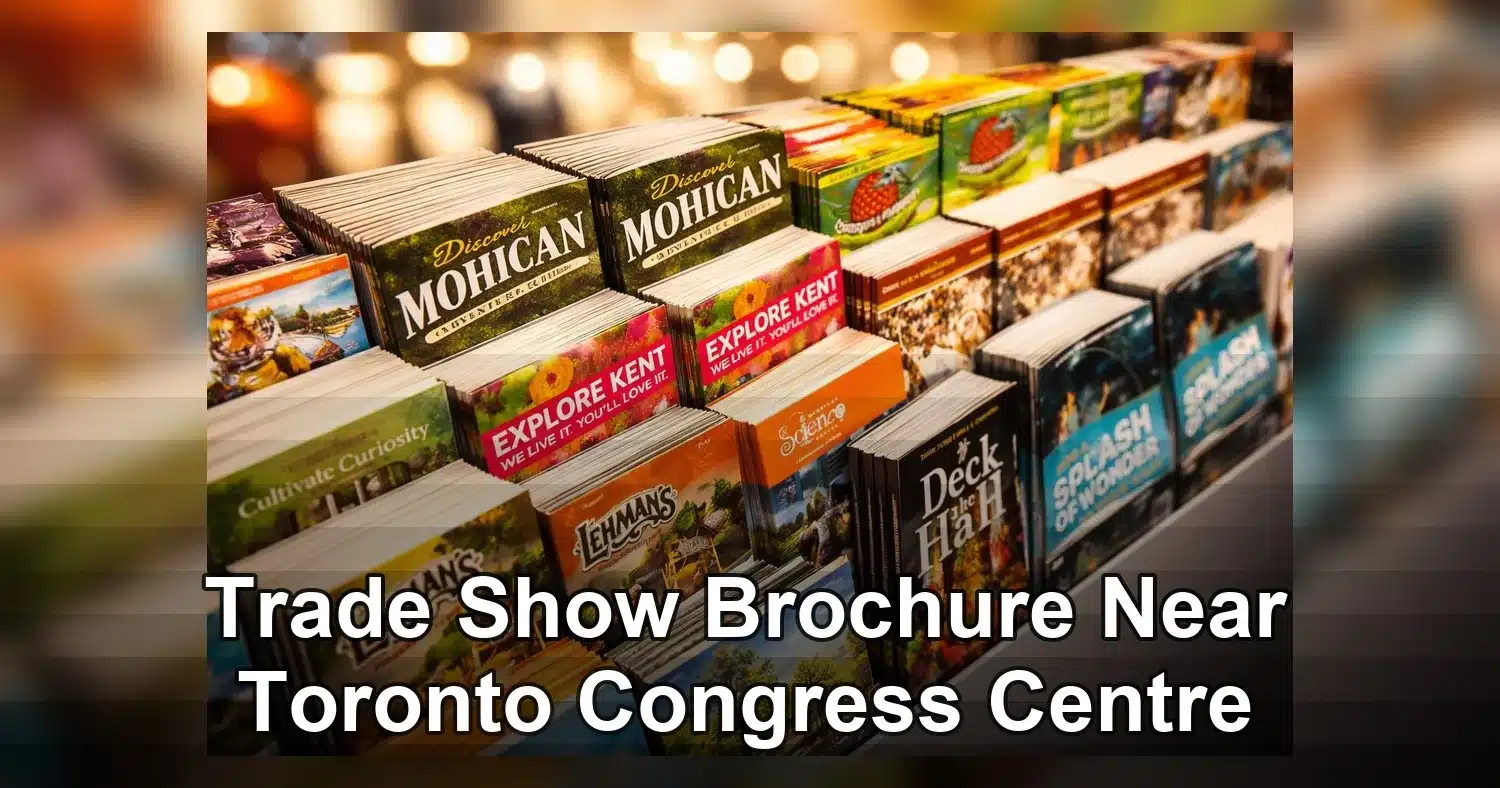
If you need a trade show brochure near Toronto Congress Centre, the best choice is not simply the cheapest print option. The right brochure is the one that matches your booth traffic, your sales process, and your delivery deadline. At a busy event, you have only a few seconds to earn attention, so the format, paper, and message all need to work together.
Last updated: April 2026
Ready to print brochure printing?
Send your artwork, quantity, and deadline to Branding Centres. We will help confirm specs, turnaround, and the best production option.
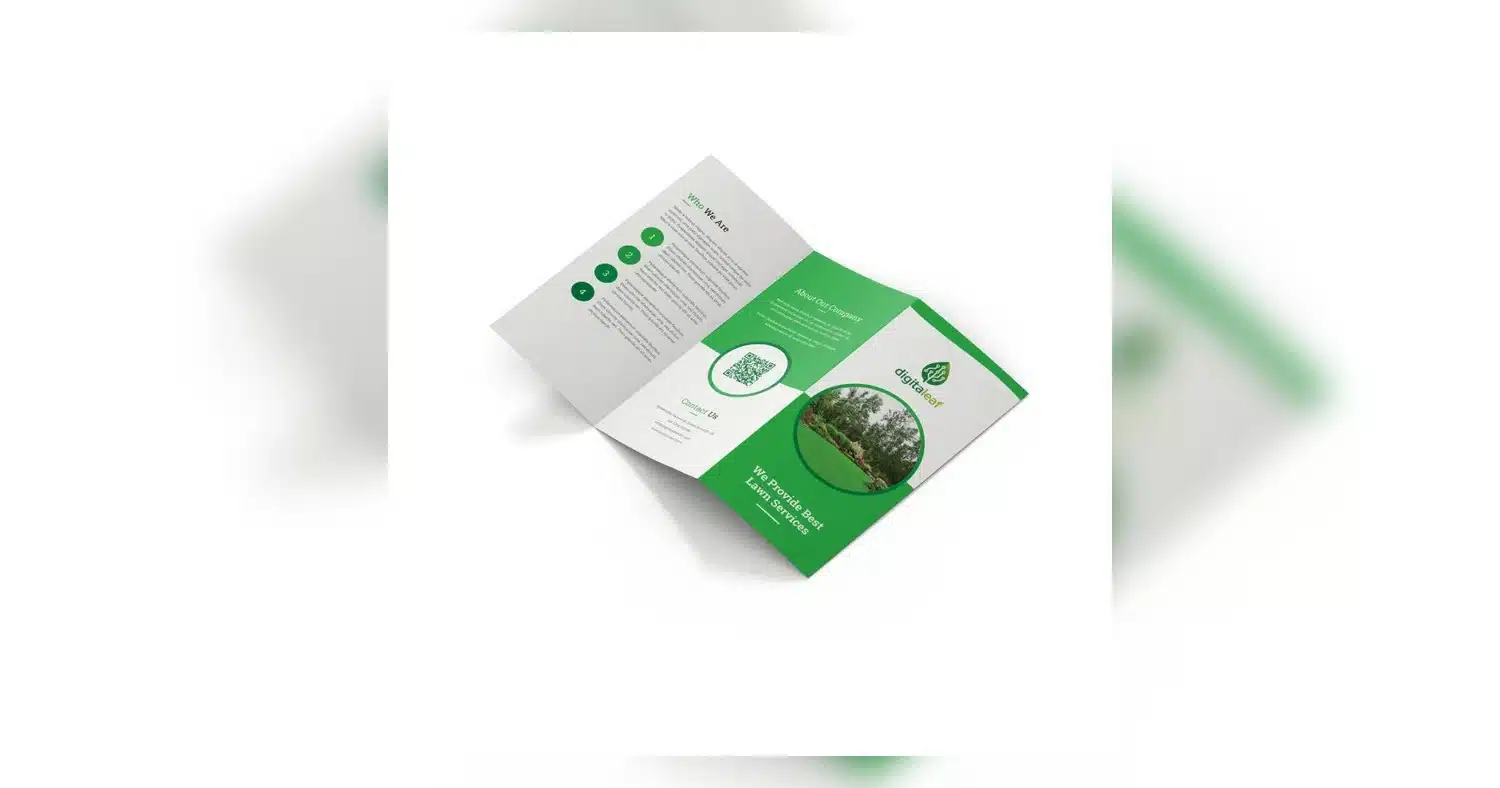
For exhibitors, local business owners, and conference marketers, a strong brochure should be easy to hand out, easy to scan, and easy to remember after the show ends. It should explain what you offer, who it is for, and what the visitor should do next. If you are comparing brochure styles right now, review these brochure printing options alongside the production expectations of Toronto trade show printing services so you can choose a format that fits your event timeline and your booth goals.
How to choose a trade show brochure near Toronto Congress Centre
The best trade show brochure near Toronto Congress Centre is the one that fits the way your booth actually works. Start with the audience, then decide how much information the brochure should carry, how long visitors are likely to stay, and whether the piece is meant for quick handouts or deeper sales conversations.
At some booths, the brochure is a quick leave-behind that helps visitors remember the brand later. At others, it is part of a live conversation and supports product comparisons, pricing discussions, or qualification questions. The right choice depends on booth traffic and the kind of buyer you expect.
Begin with the brochure’s job
Before you choose a format, decide what the brochure must do on the show floor:
- Introduce the brand quickly: use a short headline, one clear offer, and strong visuals.
- Support a sales conversation: include product features, service tiers, or comparison points.
- Encourage follow-up: add a QR code, a booking link, or a post-show offer.
- Provide a takeaway: give visitors something useful to read after they leave the booth.
If the brochure has to do too many jobs at once, it usually becomes crowded and harder to use. A better approach is to keep the brochure focused and move the rest of the detail into a follow-up sheet, landing page, or digital PDF.
Match brochure length to booth traffic
If your booth is expected to have fast-moving traffic, a short format such as a tri-fold or half-fold brochure usually works best. These pieces are easy to scan while standing and easy to carry in a bag. If your team is meeting people for longer conversations, a booklet can make sense because it gives you space for case studies, technical specs, testimonials, and product pages.
Many exhibitors searching for trade show and conference printing in Toronto are better served by a brochure built around real booth behavior rather than a design that looks impressive but slows down the conversation. If a visitor cannot understand the value in one quick pass, the piece is probably too dense.
Decide how the brochure will be handed out
Your handout strategy affects everything from paper weight to quantity. If the brochure will go to everyone who walks by, it should be compact, durable, and cost-effective. If it will only be given to qualified leads, you can choose a more substantial stock and a more detailed format. If it will sit on a literature table, it should be easy to pick up and strong enough to hold its shape.
For exhibitors looking for brochures trade show Toronto Congress Centre solutions, the strongest results usually come from matching the brochure to the booth flow instead of treating it like a mini catalog.
Brochure formats that work well for exhibitors
The right format depends on how much content you need and how quickly the brochure needs to work on the floor. For a trade show brochure near Toronto Congress Centre, the best format is usually the one that balances speed, clarity, and perceived value.
| Format | Best use | Content capacity | Booth advantage | Main drawback |
|---|---|---|---|---|
| Tri-fold | Fast introductions, service summaries, event handouts | Low to medium | Easy to hand out and simple to skim | Can feel cramped if too much is added |
| Half-fold | Simple brand story, one product focus, premium leave-behind | Low | Clean design with strong visuals | Limited space for detail |
| Z-fold | Step-by-step content, comparisons, guided storytelling | Medium | Panels unfold in a natural sequence | Panel order must be clear |
| Booklet | Product catalogs, multi-service presentations, case studies | High | Supports longer conversations and serious leads | Heavier and more expensive |
Tri-fold brochures for fast booth conversations
Tri-fold brochures remain one of the most practical choices for trade show Brochures Toronto Congress Centre exhibitors use because they are compact, familiar, and easy to distribute. They work well when you need one headline, three key benefits, and clear contact details without overwhelming the reader.
This format is especially effective when the booth team needs to hand out a large quantity of brochures during peak traffic. A tri-fold can be designed to open with a strong front panel and then unfold into a simple, orderly sales message.
Half-fold brochures for a cleaner presentation
A half-fold brochure gives you more visual breathing room than a tri-fold piece. It is a good fit when the offer is simple and the brand wants a more premium, minimal look. It is also easier to use large images and larger type, which helps if your audience is moving quickly through a crowded aisle.
If the brochure is meant to create a polished first impression, the half-fold format can be a smart choice because it feels less busy and more intentional than a multi-panel layout.
Z-fold brochures for guided storytelling
A z-fold brochure is helpful when your team wants to walk visitors through a process. It works well for service explanations, product comparisons, onboarding steps, or any story that has a natural sequence. The panels unfold in order, which makes the presentation feel structured and easy to follow during a live conversation.
For booths that rely on verbal explanation, the z-fold can support the salesperson without forcing every detail onto one crowded page.
Booklets for deeper sales conversations
If your booth audience needs technical details, multiple product lines, or case studies, a booklet may be the right answer. It gives you room for product pages, charts, testimonials, and service breakdowns. This format is useful for pre-qualified leads, partnership meetings, and more consultative sales conversations.
Because a booklet is more substantial, it can also feel more valuable in the hands of a serious prospect. The trade-off is that it is heavier, takes longer to produce, and is less practical for mass handouts.
For exhibitors who want a more writable, approachable finish for notes and lead follow-up, uncoated brochures can be a practical option, especially when the team wants to annotate contact details during the show.
Paper, finish, and size choices that hold up on the floor
Paper stock, finish, and trim size all affect how your brochure performs under trade show conditions. A brochure near Toronto Congress Centre should look professional, but it also needs to survive repeated handling, bag stuffing, tabletop displays, and long show days.
Choose a stock that feels substantial
Very light paper can curl, crease, or feel disposable. A medium-weight stock often gives the best balance between durability and portability. It feels stronger in the hand without becoming too bulky for large distribution.
If the brochure will sit on a display table, a slightly heavier stock may help it hold its shape. If the piece will be handed out in large quantities, avoid choosing a paper so heavy that it becomes expensive or awkward to carry.
Pick a finish that supports the message
Gloss and UV finishes are a strong choice for image-rich brochures because they make product photos and branding look bright under show lighting. Matte and uncoated finishes are better when readability matters more than shine. They can feel more professional, more tactile, and easier to read in a busy indoor environment.
For many exhibitors, a gloss text brochure offers a useful balance because it supports color clarity while keeping text readable. If you want stronger visual impact and a polished, high-gloss look, UV high-gloss brochures can work well for product launches and visually bold campaigns.
Choose a size that can be read quickly
Standard brochure sizes are usually the safest choice because they are easy to pack, easy to hand out, and easy for visitors to store. Larger sizes can be useful when you need more room for charts, product photos, or side-by-side comparisons, but they should still fit comfortably into a folder or tote bag.
A good rule for trade show printing near Toronto Congress Centre is simple: pick a size that can be skimmed while standing in a crowd, preferably with one hand. If the brochure demands too much effort, the reader will likely set it aside.
Turnaround times for trade show printing near Toronto Congress Centre
Timing matters as much as design. For a trade show brochure near Toronto Congress Centre, a safe production window is usually 5 to 7 business days after press-ready file approval. Rush jobs may be possible in 1 to 3 business days if the file is clean, the format is standard, and the paper choices are simple.
What the timeline usually looks like
Most delays happen before printing starts, not on the press. A typical schedule includes:
- File review: same day to 1 business day
- Proof approval: a few hours to 1 business day
- Production: 2 to 5 business days for standard brochure runs
- Delivery or pickup: same day by local courier or next business day in the GTA
If your event begins on a Tuesday, it is wise to avoid depending on Monday delivery unless the job is already complete and confirmed. For trade show Brochures Toronto Congress Centre exhibitors rely on, having the brochures in hand at least 2 business days before move-in reduces risk.
What prints fastest
Standard specifications usually move the fastest. A flat 8.5 x 11 brochure, a bi-fold, or a tri-fold on common stock can often be produced more quickly than a custom size, unusual fold, heavy ink coverage, or specialty scoring. The more standard the job, the easier it is to review, approve, and produce without delay.
That is one reason many buyers prefer simple, proven brochure product options when the deadline is tight. Standard choices reduce back-and-forth and help the print schedule stay predictable.
Rush printing near event dates
Rush production can solve a last-minute problem, but it usually comes with limits. You may have fewer paper choices, fewer finishing options, and a higher total cost. Rush jobs are common when booth messaging changes, inventory runs short, or a new offer needs to be added just before the show.
Local providers in the city do offer rush trade show printing services in Toronto, which can help in a pinch. Even so, the safest plan is still to finalize content early and allow time for a proof cycle before production begins.
How to avoid deadline stress
- Approve the brochure copy before design is finalized.
- Send print-ready PDFs with bleed, crop marks, and embedded fonts.
- Build in one extra business day for revisions.
- Confirm pickup, courier, hotel delivery, or advance warehouse drop-off early.
Pricing factors that affect brochure cost
The price of a trade show brochure near Toronto Congress Centre is driven mostly by quantity, page count, paper, finish, and turnaround. If you understand those variables before requesting a quote, it is much easier to compare options fairly.
1. Quantity
Quantity has the biggest impact on unit price. Once setup costs are covered, the per-piece price usually falls as the run size increases. That is useful for exhibitors who need brochures for booth traffic, internal sales use, and post-show follow-up.
2. Fold style and page count
A single flat sheet costs less than a booklet. A tri-fold or bi-fold brochure usually sits in the middle because folding adds labor but still keeps the piece more economical than a multi-page bound format. More pages also mean more design time and more production steps.
3. Paper stock
Paper choice affects both appearance and cost. Gloss text stock is often a practical choice for image-heavy brochures, while uncoated stock may feel more refined for professional services or brands that want a softer presentation. Different paper choices can create very different price points at the same quantity.
4. Finish and coverage
Heavy ink coverage, dark full-bleed backgrounds, and specialty coatings usually increase cost. Scoring, folding precision, and premium finishing also add to the total. If the brochure is mostly text with a few images, it will usually cost less than a full-color, photo-heavy layout.
5. Speed
Rush timing almost always adds cost. Same-week jobs may require overtime or a narrower set of options. That is a common issue when Brochures trade show Toronto Congress Centre exhibitors reorder at the last minute because the previous run sold out or messaging changed.
Smart budgeting checklist
- Estimate booth traffic before deciding quantity.
- Use standard sizes to avoid custom setup costs.
- Reserve premium paper for higher-value prospects or leave-behinds.
- Avoid rush fees by approving artwork early.
- Ask whether local delivery near Toronto Congress Centre is included.
If your budget is tight, the best compromise is usually a standard-size folded brochure on a proven stock with enough quantity to lower the per-piece cost, without paying for finishes that the audience may not notice.
Common brochure mistakes exhibitors make
The most common mistake is trying to say everything. A trade show brochure near Toronto Congress Centre should support a fast conversation, not replace a website, catalog, and sales presentation all at once.
Weak calls to action
Many brochures describe the company but never tell the reader what to do next. At a trade show, the call to action should be specific and easy to follow, such as booking a demo, scanning a QR code, or visiting a dedicated event landing page.
Examples of useful CTAs include:
- Book a demo at booth 412
- Scan for pricing and specs
- Claim a post-show consultation
- Visit our event landing page
Crowded layouts
A brochure with too much copy, too many images, or too many messages becomes hard to read in a busy booth. Use short headings, 3 to 5 key bullets, and a clear visual hierarchy. White space is not wasted space. It helps the eye find the main point faster.
Tiny text and weak contrast
Small type may look elegant on a computer screen, but it often fails under show-floor conditions. Body text should be readable at a glance, and low-contrast combinations should be avoided. If your audience is broad, readability matters more than clever design.
Generic messaging
Another mistake is using the same brochure for every audience. The best trade show Brochures Toronto Congress Centre exhibitors use are usually tailored to the event. That may mean highlighting local service coverage, technical specifications, distributor support, or a product line that matters most to the people attending that show.
Quick pre-print check
- Does the headline speak to the visitor’s need?
- Is there one primary CTA?
- Can someone understand the offer in under 10 seconds?
- Are the booth number, QR code, and contact details correct?
- Does the brochure match the actual audience at this Toronto Congress Centre event?
If you avoid these mistakes, the brochure becomes a useful sales tool instead of a handout that gets ignored on the way out of the hall.
How to use brochures before, during, and after the show
The strongest use of a trade show brochure near Toronto Congress Centre is not limited to the booth counter. It should support the full event journey: pre-show outreach, live booth conversations, and structured follow-up after the event.
Before the show
Use brochures before the event to warm up invited prospects. A compact tri-fold or half-fold is often the best choice for mailers or hand-delivered outreach in the GTA. Send these pieces 10 to 14 days before move-in so people still have time to add a meeting to their calendar.
Good pre-show brochures usually include:
- Booth number and hall details
- One clear offer or launch message
- A QR code to schedule a meeting
- A short product matrix or service summary
If the brochure will also be used for notes or one-to-one conversations, uncoated brochures can be a strong fit because they are easy to write on and feel approachable.
During the show
At the booth, do not assume one brochure works for every visitor. Many exhibitors do better with at least two versions: a short handout for general traffic and a more detailed brochure for qualified leads. That allows the booth team to move quickly without giving the same amount of detail to every passerby.
For booth use, the front panel should answer three questions fast:
- What do you sell?
- Who is it for?
- Why should someone stop now?
When visuals matter most, exhibitors often choose gloss text brochures because product photos, packaging images, and color-heavy layouts reproduce cleanly under bright event lighting.
After the show
After the event, the brochure can become part of your follow-up kit. Send it with a business card, quote sheet, sample request form, or personalized email to keep the conversation moving. For hot leads, follow up within 48 to 72 hours so the event is still fresh in their mind.
For colder leads, a digital PDF version that matches the printed brochure helps maintain consistency. When the print and follow-up materials look and feel the same, prospects remember the offer more easily. For exhibitors who return to the same event each year, keeping a flexible set of brochure options makes it easier to refresh the message without rebuilding the entire system.
Final takeaway
The right trade show brochure near Toronto Congress Centre is the one that fits your audience, your booth flow, and your deadline. Keep the message focused, choose a format that matches how people actually move through the booth, and confirm your print timing early. Before ordering, check the format, folded size, stock, finish, quantity, proofing schedule, and delivery details so there are no surprises at the last minute. If you start with the visitor’s needs and the way your team sells, the brochure will do its job long after the show floor closes.
Related Products and Services
If you are planning a similar project, these related options may help.
- Enviro Uncoated Brochures
- Uv (High Gloss
- Gloss Text Brochures
- Brochures
Helpful External Resources
These sources provide supporting background and additional context.
How far in advance should I order a trade show brochure near Toronto Congress Centre?
Plan to order at least 1 to 2 weeks ahead whenever possible. That leaves time for content review, proofing, printing, and delivery. If your brochure needs custom finishes or a larger quantity, allow even more time.
Which brochure format works best for a Toronto Congress Centre booth?
Tri-fold brochures are a strong choice for quick handouts, while z-fold formats work well for guided storytelling. If your team needs to present detailed product information, a booklet may be the better option. The best format depends on how much the visitor needs to learn at the booth.
What affects the cost of trade show brochure printing?
Pricing usually depends on quantity, size, page count, paper stock, finish, and turnaround time. Larger quantities typically reduce the unit cost, while rush production, premium paper, or specialty coatings can raise the total.
Should I choose gloss, matte, or uncoated stock for trade show brochures?
Gloss works well for photo-heavy brochures and bold color. Matte gives a softer, more refined look and is easy to read. Uncoated stock is a good choice if you want a writable surface or a more natural feel. The right option depends on your brand style and how the brochure will be used.
What file format should I send for brochure printing?
Send a print-ready PDF with embedded fonts, proper bleed, and high-resolution images. If you are unsure about setup, ask for a file check before production so your brochure prints correctly and stays on schedule.
Can I get brochures printed for pickup or delivery near Toronto Congress Centre?
Yes, many Toronto print providers can arrange local pickup or delivery to support event deadlines. That is especially useful if you need a reprint, a replacement run, or direct delivery before move-in.
Get a Free Quote Today
Contact us at +1-(416) 288-8661 or Email us at info@Brandingcentres.com and let's get started.