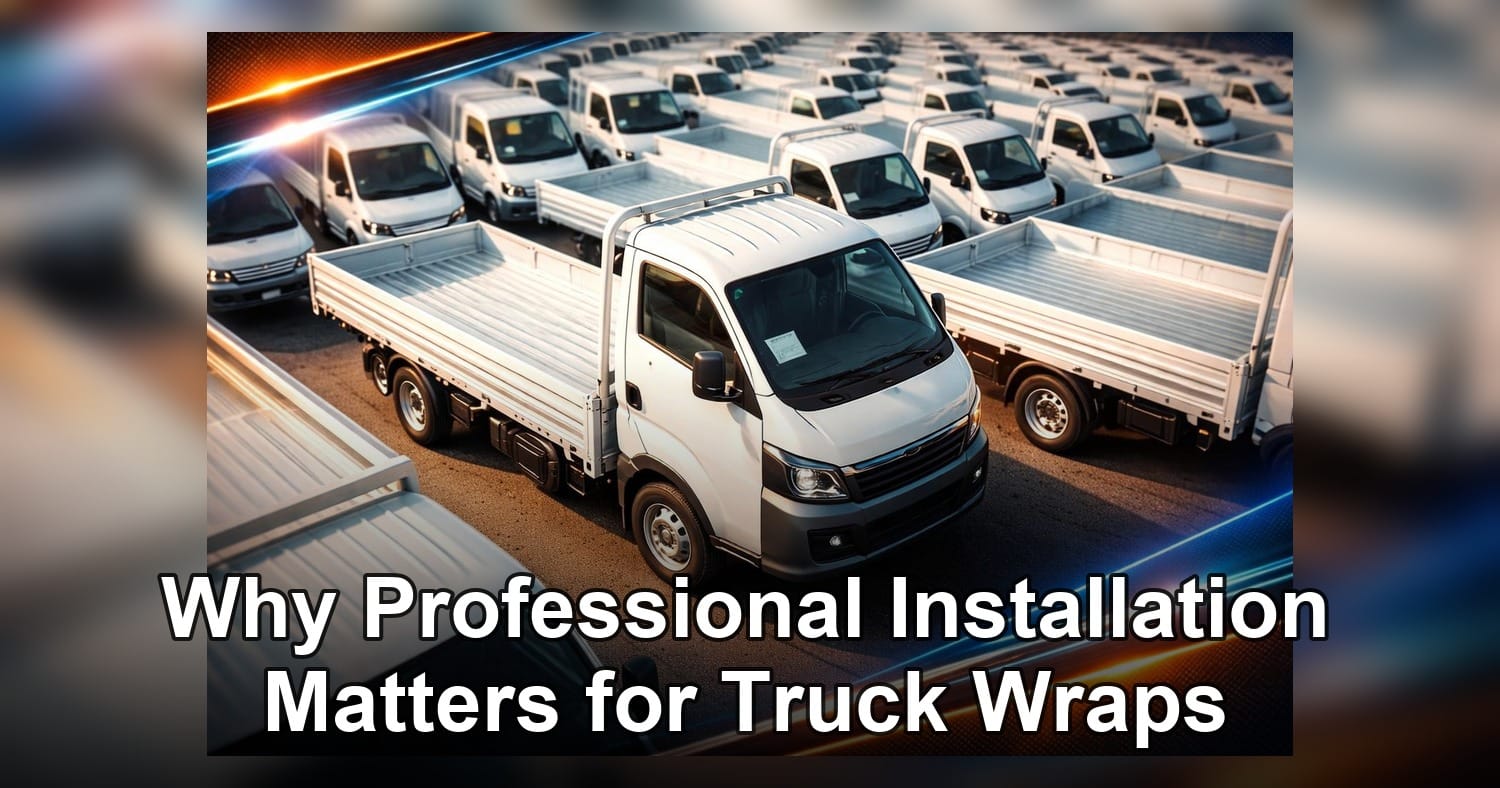
Truck Wraps can be one of the most cost-effective ways for business owners to turn company vehicles into mobile advertising, but the quality of the final result depends heavily on how the wrap is installed. A professionally installed wrap does more than look polished. It helps protect your brand image, improves durability, and reduces the risk of costly repairs, early lifting, and wasted downtime. When your trucks represent your business on the road every day, details like panel alignment, seam placement, surface preparation, and finish quality matter far more than many owners realize.
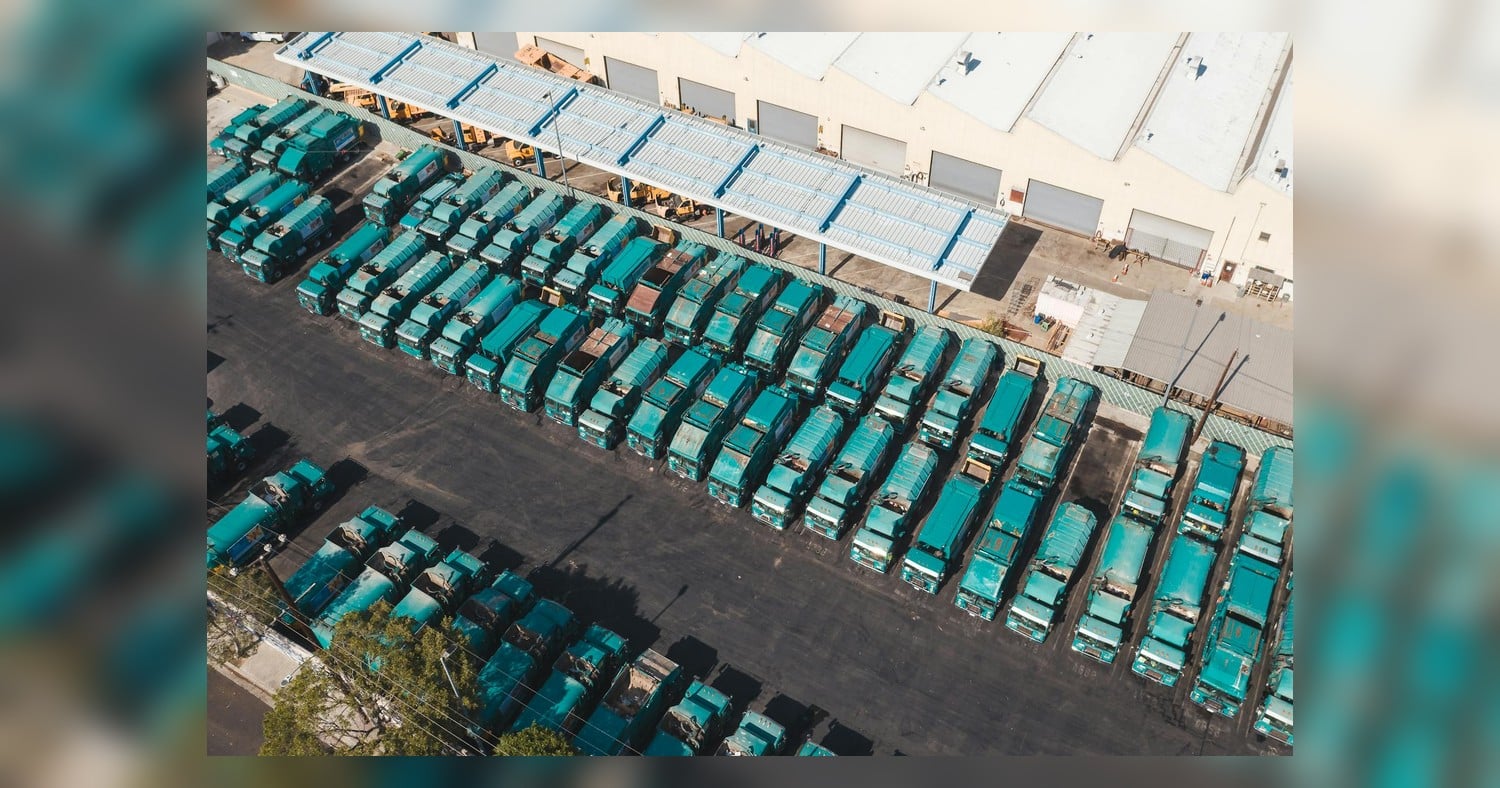
This guide explains why professional installation matters, what can go wrong with poor workmanship, and how the right installer can help you get better performance and longer life from your investment. If you are evaluating wrapped fleet vehicles, comparing paint to vinyl, or deciding between DIY and professional application, understanding the installation process will help you make a smarter business decision.
What Are Truck Wraps and How They Compare to Paint
Truck Wraps are large-format vinyl graphics applied over a vehicle’s exterior to change its appearance, display business branding, or both. For business owners, they are more than a cosmetic upgrade. They are a mobile marketing asset that can turn every service call, delivery, or parked vehicle into visible advertising.
A typical Wrap uses printed or solid-color vinyl film combined with protective laminate. The material is engineered to conform to body panels, doors, and curves while maintaining color and finish. Depending on your goals, a wrap can cover the full truck, a partial section, or specific branded areas such as doors and tailgates.
How Truck Wraps differ from paint
Traditional paint changes the vehicle permanently and usually requires more downtime, more preparation, and a higher commitment if branding changes later. Truck Wraps offer a more flexible option. If your logo evolves, your phone number changes, or you rebrand locations, vinyl can usually be updated more easily than repainting an entire fleet.
- Wraps support detailed graphics, logos, and promotional messaging.
- Paint is better suited to a simple color change, not complex Vehicle Branding.
- Wraps can help protect the original paint underneath from minor wear and UV exposure.
- Paint corrections and custom finishes often take longer and are harder to reverse.
Why this matters for business owners
When you invest in Truck Wraps, you are not just buying material. You are buying visibility, consistency, and a customer-facing impression. A well-designed wrap can make a smaller business look more established and help a growing company present a polished image across multiple trucks.
That is also why installation quality matters from the start. Even the best design and premium vinyl can fall short if the application is rushed or uneven. Clean edges, smooth panels, and accurate logo placement make the difference between a truck that looks professional and one that looks temporary. For a branded vehicle, that difference affects how customers judge your company before they ever speak to your team.
How Professional Truck Wraps Installation Protects Your Brand
Professional Truck Wraps installation is not just a technical step. It is a brand-control step. Your truck may be seen by hundreds or thousands of people each week, so every detail in the finished wrap contributes to how customers perceive your company. If your branding looks sharp, aligned, and well-finished, your business appears organized and trustworthy. If it looks rushed, the opposite message can come through.
Precision affects first impressions
Professional installers align graphics across doors, seams, rivets, handles, and body contours so the final result looks intentional. A logo that is slightly tilted, a phone number split awkwardly across a panel, or a graphic distorted over a curve can make a business look careless. For service companies, contractors, delivery brands, and fleet operators, that first impression matters.
Customers often judge reliability by presentation. A well-installed Wrap suggests attention to detail. A poor install can suggest low standards, even if your actual service is excellent.
Brand consistency across one truck or a full fleet
Vehicle Branding works best when every truck presents the same colors, spacing, and message. Professional installation helps maintain that consistency, especially across multiple vehicle sizes and body styles. This matters when:
- your company operates a fleet in multiple neighborhoods
- you franchise or expand into new territories
- you rely on repeat visibility to build local recognition
- you want the same logo placement and readability on every vehicle
Risks of poor installation
Bad installation can damage brand perception in ways that are easy to overlook. Wrinkles around key text can make contact details hard to read. Improper panel matching can break visual flow. Rough trimming near edges or lights can make a premium brand look cheap.
There is also a practical risk. If the vinyl lifts early, shrinks, or peels around high-visibility areas, your truck quickly starts advertising neglect instead of professionalism. Investing in expert Truck Wraps installation helps protect your design, your message, and the business image you worked hard to build.
Common Installation Mistakes and the Business Costs
Truck Wraps can deliver strong value, but poor installation can turn that investment into rework, downtime, and image problems. Many issues start small and become expensive once the vehicle is back on the road. For business owners, the real cost is not only replacing damaged vinyl. It is also losing time, visibility, and trust.
Typical installation mistakes
- Bubbles or trapped air that create an uneven finish
- Creases caused by overstretching or poor handling
- Misaligned graphics, logos, or text across panels and doors
- Improper trimming that cuts too deep or leaves rough edges
- Weak adhesion from poor cleaning or rushed surface prep
- Failure around curves, rivets, and recessed areas
These mistakes are common in rushed jobs and DIY attempts. Some are visible immediately. Others show up days or weeks later as lifting edges, shrinking seams, or cracked graphics. If you want to understand these issues more deeply, you can read why vinyl wraps bubble and crease.
The business costs behind a bad wrap
A poor Wrap can create several layers of cost:
- Replacement cost for damaged vinyl and labor
- Vehicle downtime while the wrap is repaired or redone
- Lost advertising value during the time the truck is off the road
- Potential paint damage if removal is handled poorly
- Brand credibility loss when customers see a worn or sloppy vehicle
Even if a bad install costs only a fraction of a repaint, the indirect expense can be much larger. A truck out of service for one or two days may affect deliveries, estimates, or booked appointments. A visibly peeling branded vehicle can also make prospects question the quality of your work.
Professional Truck Wraps installation helps reduce these avoidable costs by getting the job right the first time.
Materials, Surface Prep and Site Conditions That Affect Wrap Longevity
The lifespan of Truck Wraps depends on more than design. Longevity is shaped by three core factors: the quality of the vinyl, how the truck is prepared before installation, and the conditions in which the wrap is applied. If any one of these is weak, even a great-looking wrap can fail early.
Material quality matters
Not all vinyl films perform the same way. Premium cast vinyl is generally better suited for commercial Vehicle Branding because it conforms more cleanly to complex shapes and holds up better over time. Lower-grade materials may be harder to apply, more likely to shrink, and less resistant to weather, washing, and UV exposure.
The laminate also matters. It helps protect color, printed graphics, and surface finish from sun, moisture, and abrasion. For trucks that spend long hours outdoors, material choice has a direct impact on how long the wrap keeps its professional appearance.
Surface preparation is critical
Before Truck Wraps installation begins, the vehicle needs to be thoroughly cleaned and decontaminated. Dirt, wax, grease, road film, and residue can interfere with adhesion. Rust, failing paint, or body damage can also limit how well vinyl bonds to the surface.
- Panels should be cleaned beyond a standard car wash level
- Problem areas around seams, edges, and trim need extra attention
- Existing paint must be stable and intact for reliable adhesion
If wraps are peeling prematurely, the root cause is often in prep or bonding conditions. For more on that, see why wraps peel.
Why the installation environment matters
Temperature, humidity, and workspace control affect adhesive performance. Vinyl installed in a dusty, cold, or inconsistent environment may not bond evenly. Professional installers use controlled conditions so the film can be positioned, heated, and finished correctly.
That care helps reduce edge lift, bubbling, and early failure. It also supports better long-term value. If you are planning a branded truck and want realistic expectations, this guide on how long truck wraps last is a useful next read.
Why Hire a Professional: Skills, Tools, and Warranties
For business owners, Truck Wraps are more than a visual upgrade. They are a mobile marketing asset that needs to look sharp, last as expected, and represent your brand consistently. That is why professional installation matters. A skilled installer brings technical ability, specialized equipment, and protection that a DIY approach usually cannot match.
Professional skill affects the final look
A clean Truck Wraps installation depends on much more than lining up printed panels. Installers need to understand curves, rivets, seams, door handles, mirrors, and body contours. They also know how vinyl behaves when stretched, heated, repositioned, and finished at edges.
This matters because small errors can become visible fast. Misaligned graphics, trapped air, lifting corners, and overstretched film can all reduce the impact of your Vehicle Branding.
Pros use tools that improve accuracy
Professional wrap teams typically work with tools and site controls that support better outcomes, including:
- Commercial-grade squeegees and buffers for smooth application
- Heat guns or infrared tools for controlled post-heating
- Knifeless tape for cleaner cuts and less risk to paint
- Surface prep products designed for adhesive performance
- Indoor installation spaces with better temperature and dust control
Those details can make the difference between a wrap that looks premium and one that starts failing early. If you want to understand the causes of common failures, see why vinyl wraps bubble and crease.
Warranties and insurance reduce business risk
Another major advantage is accountability. A professional installer may offer workmanship warranties and may also work with branded materials that carry manufacturer-backed coverage when installed correctly. That can give you a clearer path if peeling, lifting, or adhesion issues appear.
Professional shops may also carry insurance, which matters if your truck is damaged during installation. With DIY, the business owner usually absorbs the full cost of mistakes, reprints, lost vehicle time, and replacement film.
In short, paying for professional installation is not just paying for labor. You are paying for precision, consistency, and protection for a marketing asset that needs to perform on the road every day.
DIY vs Professional Truck Wraps: Risks, Savings and When DIY Makes Sense
Many business owners compare DIY and professional Truck Wraps based on one question: will doing it yourself save money? Sometimes it can, but the answer depends on your goals, timeline, and tolerance for risk.
Where DIY can appear cheaper
A DIY Wrap may lower upfront labor costs. If you already have a vehicle, basic tools, and a simple design, self-installation can look like the less expensive option on paper. For very small branding jobs, that may be true.
But a full cost comparison should include more than vinyl.
- Installation tools and prep materials
- Indoor workspace requirements
- Time away from running the business
- Reprints caused by miscuts or damage
- Shorter lifespan if the wrap fails early
Professional installation usually lowers overall risk
Professional Truck Wraps installation often costs more upfront, but it can reduce expensive errors. A poorly installed wrap may peel at edges, trap bubbles, wrinkle over curves, or show distorted graphics. For a company vehicle, those issues do not just waste money. They can also make your Vehicle Branding look rushed or low quality.
If your truck is customer-facing, consistency matters. A cleaner finish helps support trust, especially for businesses that depend on local visibility and first impressions.
When DIY makes sense
There are situations where a DIY approach may be reasonable:
- You are applying a small decal set rather than a full wrap.
- The vehicle is not a primary brand asset.
- You have prior wrap experience and a controlled workspace.
- You are testing temporary graphics for a short campaign.
For most business owners, full truck wraps are better handled by professionals because the cost of failure is higher than the labor savings. If long-term value is the goal, durability matters as much as price. You can also review how long truck wraps last in Canada to better understand lifecycle value.
Choosing the Right Installer and Questions to Ask
Not all installers deliver the same results. If you are investing in Truck Wraps for your business, choosing the right shop is just as important as choosing the design. A careful vetting process can help you avoid poor workmanship, weak materials, and preventable downtime.
What to look for in an installer
- A strong portfolio of trucks, vans, and commercial fleet work
- Before-and-after examples that show edges, seams, and detail areas
- References or reviews from other business owners
- Clear information about vinyl brands and laminate used
- An indoor, controlled installation environment
- Written workmanship warranty details
- Removal, maintenance, and aftercare guidance
Ask to see work on vehicles similar to yours. A truck with deep contours, rivets, or utility body features requires more skill than a flat panel application. Good installers should be comfortable explaining how they handle those challenges.
Questions business owners should ask
- How much experience do you have with commercial Truck Wraps installation?
- What material brands do you recommend, and why?
- Will the installation happen indoors in a climate-controlled space?
- What is covered under your workmanship warranty?
- How do you prepare the vehicle surface before installation?
- Who installs the wrap: in-house staff or subcontractors?
- How long will the process take, including curing and pickup?
- How should we clean and maintain the Wrap after installation?
Look beyond price alone
The lowest quote is not always the best value. If one installer is using lower-grade film, skipping proper prep, or working in poor site conditions, a cheaper price can lead to earlier failure. A better question is which installer will protect your Vehicle Branding investment over time.
As you evaluate options, it can also help to understand failure points such as edge lift and adhesion breakdown. This overview of why wraps peel can give you useful context before you sign off on a project.
Professional installation helps Truck Wraps look better, last longer, and reflect your business the right way from day one. For business owners, the added expertise, tools, and warranty support often outweigh the short-term savings of cutting corners. If you are planning a new wrap project, take time to compare installers, review past work, and ask the right questions so your vehicles deliver the strongest return possible.
Related Products and Services
If you are planning a similar project, these related options may help.
Helpful External Resources
These sources provide supporting background and additional context.
How long do professionally installed truck wraps typically last?
Quality Truck Wraps installed by professionals typically last about 5–7 years for standard vinyl; with premium films, proper lamination and maintenance they can reach 7–10 years. Lifespan depends on film quality, UV exposure, climate, washing methods and how well the vehicle is stored.
Will a professional install prevent peeling and bubbling?
A professional install significantly reduces peeling and bubbling because installers perform proper surface prep, use correct application temperatures, heat and conform the film into seams, and trim and seal edges. While it minimizes risk, no installation can absolutely guarantee zero issues if the surface is damaged or the vehicle is exposed to extreme conditions.
What should I budget for professional truck wrap installation?
Costs vary by truck size, design complexity and materials: expect roughly $1,500–$3,500 for a partial/small pickup wrap and $3,000–$10,000+ for full commercial truck wraps. High-end films, protective laminates, complex vehicle contours and custom design work increase price; ask installers about warranties and fleet pricing.
Can a wrap be fully removed without damaging my vehicle’s paint?
Yes—professionally applied vinyl can usually be removed cleanly using heat and adhesive removers. Safe removal depends on the paint condition: factory, well-cured paint is rarely damaged, but older, poorly bonded or previously repainted surfaces may lift. Professional removal lowers the risk of paint damage.
How long does professional truck wrap installation usually take?
Installation time depends on vehicle size and complexity: small trucks and partial wraps often take a day, full wraps on larger commercial trucks usually require 1–3 days (including prep and finishing). Complex graphics, disassembly/reassembly and curing time can extend the schedule.