
Custom T-Shirt Printing for businesses is easiest to manage when you make three decisions early: choose the right print method, set a realistic budget, and prepare artwork that is actually production-ready. Whether you are ordering staff uniforms, event shirts, promotional giveaways, or retail merchandise, the smartest orders are the ones that balance cost, quality, and turnaround time without creating avoidable rework.
Last updated: April 2026
This guide breaks down the practical details business buyers care about most. You will learn when screen printing is the best fit, when DTG or DTF is more flexible, what drives pricing, how to avoid file errors, and how to plan a reorder-friendly apparel program. If your design uses artwork that runs close to the edge of the print area, reviewing this bleed vs trim printing guide can help prevent setup mistakes. For a broad look at how decoration methods differ by use case, this custom t-shirt printing overview is a useful reference point.
Get a Free Quote Today
Contact us at +1-(416) 288-8661 or Email us at info@Brandingcentres.com and let’s get started.
Related Products and Services
If you are planning a similar project, these related options may help.
Helpful External Resources
These sources provide supporting background and additional context.
- The Ultimate Guide To Custom T Shirt Printing
- Custom T Shirt Printing What You Need To Know
Custom T-Shirt Printing methods: which one fits your business?
The best Custom T-Shirt Printing method depends on quantity, garment type, design complexity, and the finish you want on the final shirt. For business orders, the goal is not just to get ink on fabric. It is to choose the method that gives you the best balance of unit cost, durability, and turnaround for your specific use case.
| Method | Best order size | Fabric and design fit | Durability and color notes | Best use case |
|---|---|---|---|---|
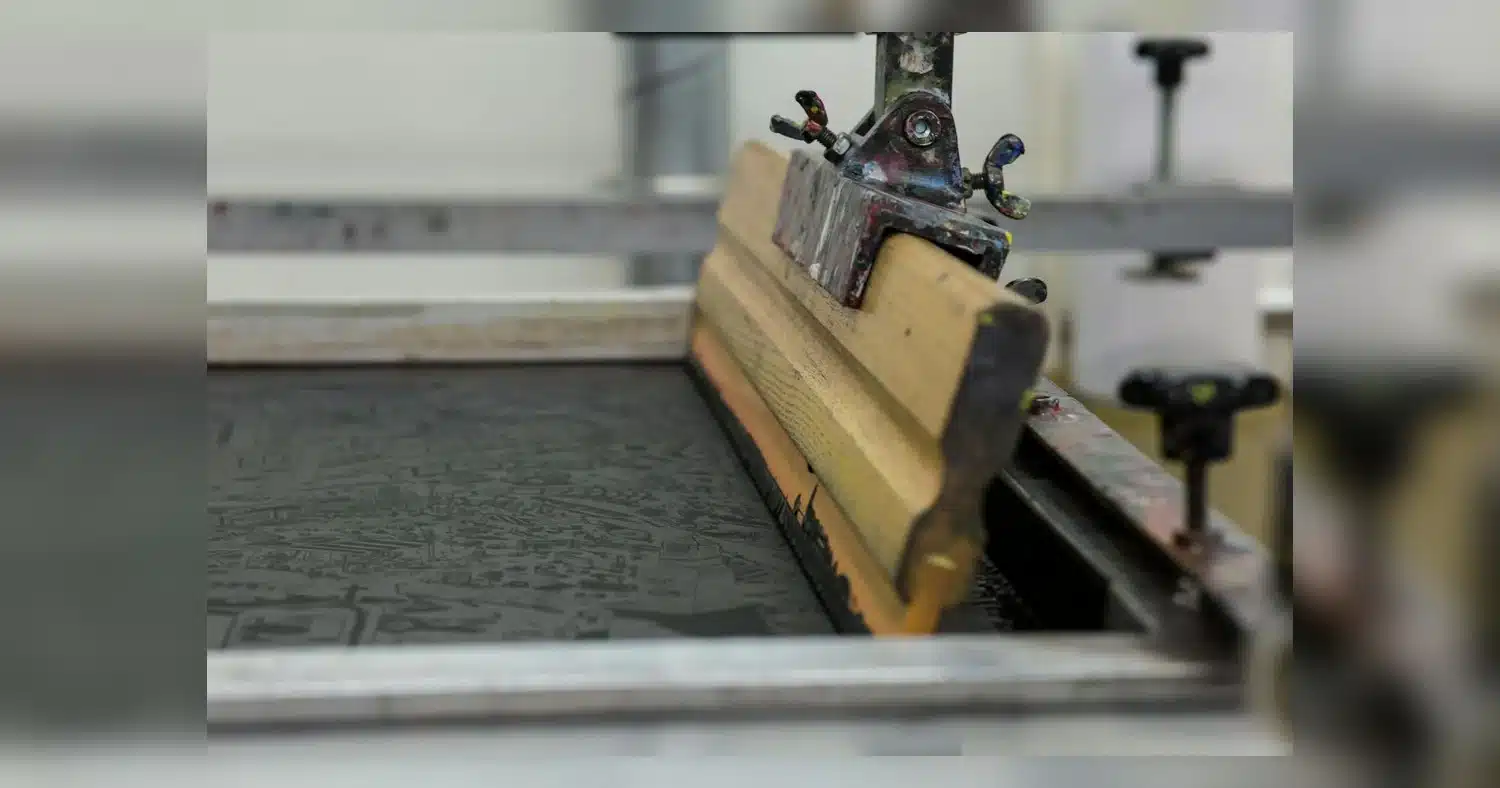
| Screen printing | Medium to large runs | Best on cotton and cotton blends, especially for spot-color artwork | Very durable, strong color opacity, lower cost per piece at volume | Staff shirts, event tees, retail basics |
| DTF | Small to medium runs | Works on many fabrics, including dark garments and blended materials | Good detail, strong opacity, flexible for multicolor art | Detailed logos, mixed fabric orders, short runs |
| DTG | Small runs | Best on 100% cotton or high-cotton garments | Excellent for soft-feel, full-color artwork and photo-style prints | Limited drops, ecommerce samples, art-heavy tees |
| Heat transfer | Small runs and personalization | Useful for names, numbers, and simple graphics on many garment types | Fast and flexible, but finish and wash life depend on transfer quality | Promo shirts, sports numbering, quick-turn campaigns |
| Embroidery | Small to medium runs | Best for polos, caps, jackets, and heavier fabrics | Highly durable and premium-looking, but not ideal for tiny text | Uniforms, corporate wear, branded outerwear |
How to choose quickly
Choose screen printing if you need the lowest unit price on larger quantities and your design uses a few solid colors. Choose DTF if your artwork is colorful, detailed, or needs to work across several fabric types. Choose DTG when you want a soft hand feel on smaller cotton runs. Use heat transfer when names, numbers, or fast personalization matter. Choose embroidery when the goal is a premium, polished look for professional apparel.
Garment selection matters just as much as decoration method. Heavier long-sleeve shirts and workwear often hold logos better than ultra-light tees, and some business programs need a more durable base garment from day one. A product like men’s long sleeve t-shirt can be a stronger choice for cooler-season uniforms or layered staff apparel.
What usually wins by scenario
- 50 to 500 pieces: Screen printing is often the most cost-effective if the design is simple.
- Full-color logo or photo: DTF or DTG is usually the better fit.
- Small pilot run: Heat transfer or DTG helps avoid large setup costs.
- Premium uniforms: Embroidery gives a more upscale and durable look.
- Mixed materials: DTF handles broader fabric compatibility than DTG.
For businesses comparing methods, it helps to think in terms of production efficiency instead of design preference alone. A printer can often recommend the right method faster when you share your quantity, shirt color, fabric type, and intended wear cycle up front.
What drives custom apparel pricing for business orders?
The biggest pricing drivers are quantity, garment type, decoration complexity, and order timing. The quote is not just about the shirt itself. It also includes labor, setup, production method, and shipping, which is why two Custom Apparel orders with similar artwork can produce very different totals.
Key cost factors to budget for
- Quantity: Higher quantities usually reduce the per-unit price, especially with screen printing.
- Ink or thread colors: More colors can increase setup and production time, especially for screen printing and embroidery.
- Garment type: Premium blanks, heavyweight tees, polos, hoodies, and safety wear cost more than basic shirts.
- Print locations: A left chest print, back print, and sleeve print are usually priced separately.
- Setup fees: Some methods require screens, digitizing, or file prep charges.
- Rush fees: Faster turnaround often means premium labor and production scheduling costs.
- Shipping: Bulk orders, split shipments, and expedited delivery can materially change the final invoice.
Businesses often underestimate how much print placement changes pricing. A simple front-only run is cheaper than a front-and-back package because each location adds labor and production steps. Orders for custom safety wear can also run higher because of garment standards, visibility requirements, and placement rules.
Why setup fees matter
Setup fees are common because the printer has to prepare artwork for production. Screen printing may require separate screens for each color, while embroidery may require digitizing the logo into a stitch file. These are often one-time or per-design costs, so reorders can be much cheaper if the artwork stays the same.
How to quote a job accurately
- Confirm garment style, brand, and sizes.
- Count the total number of print locations.
- Identify the number of ink colors or thread colors.
- Ask whether setup, digitizing, or mockup fees apply.
- Check production time, rush options, and delivery method.
- Request shipping estimates before approving the order.
If you want a clearer sense of how pricing changes by order size and decoration type, this Toronto t-shirt printing cost guide can help frame your budget expectations.
Artwork and file setup: how to avoid blurry prints and extra charges
Clean artwork is one of the easiest ways to avoid delays, rework, and unexpected file prep fees. The safest approach is to submit high-resolution files, use vector artwork whenever possible, and confirm placement before production starts.
Best file types to send
- Vector files: AI, EPS, and PDF are ideal for logos, text, and artwork that must stay sharp at any size.
- Raster files: PNG, PSD, and TIFF can work if they are high-resolution and sized correctly.
- Low-resolution files: JPGs pulled from websites or social media are often too small for print and may look blurry.
A good rule is to prepare raster artwork at full print size and at least 300 DPI. Vector files are better because they scale cleanly without losing sharpness. If your logo includes thin text, small details, or fine lines, vector format is usually the safer choice.
Color matching and print expectations
Screen printing and embroidery can usually match brand colors closely, but exact digital-to-fabric matching is not automatic. Share Pantone references if you have them, and tell the printer whether the logo must match a corporate brand guide. Dark garments, textured fabrics, and certain print methods can slightly shift how colors appear on the finished shirt.
Placement, bleed, and production checks
Artwork placement should be confirmed before the job goes live. A front chest logo placed too high or too close to the collar can look unbalanced, while a back print that is too low can interfere with the hem. When designs extend to the edge of a print area, bleed must be handled correctly so no unwanted white edges show. This is especially important for oversized graphics and full-coverage artwork, and the basics are covered in this bleed vs trim printing guide.
What to approve before production
- Artwork dimensions and resolution
- Exact print placement on the garment mockup
- Spelling, numbers, and punctuation
- Color references or approved match notes
- Garment size breakdown and print locations
Always review the proof carefully. Once you approve it, the printer usually treats it as final, and changes after approval can trigger new setup costs or delay the ship date.
Turnaround time, rush orders, and reorders: what to expect
The fastest way to keep a Custom T-Shirt Printing project on schedule is to plan backward from your event date, launch date, or onboarding day. Most business orders need time for quoting, artwork review, proof approval, production, and shipping, and each step can add time if files are incomplete or quantities keep changing.
For standard orders, the quote and proofing stage usually moves quickly when your logo is production-ready. If artwork needs cleanup, placement changes, or a sizing check, allow extra time before production begins. A good rule is to build in a buffer for approval, especially when several stakeholders need sign-off.
Plan for the right timeline
- Launches and promotions: start early so shirts arrive before marketing materials go live.
- Events and trade shows: order with enough lead time to handle size swaps, shipping delays, or add-on pieces.
- Staff onboarding: keep a small reserve so new hires can be outfitted without a new production cycle.
- Seasonal demand: place repeat orders before peak periods when printers and carriers are busiest.
Rush orders are usually possible, but they may limit print methods, garment choices, or shipping options. If you need faster turnaround, choose a style and ink setup that is already proven for your quantity. For complex artwork, timing can also depend on placement accuracy, which is why it helps to review a bleed vs trim printing guide before submitting artwork.
Reorders are typically much faster than first-time orders because the design, placement, and approved sizes are already on file. That makes repeat apparel a smart option for growing teams, franchise locations, and recurring campaigns. Still, confirm whether the same shirt style, color, and blank inventory are available, since seasonal stock changes can affect scheduling.
Businesses comparing timing and budget often use a local pricing reference like Toronto T-shirt printing cost guide to estimate how quantity affects unit pricing and turnaround.
Choosing the right shirt style and fabric for staff, events, and promotions
The best shirt is the one people will actually wear. For staff uniforms, event giveaways, and brand promotions, the right Custom Apparel choice depends on comfort, durability, and how often the shirt will be worn and washed.
Match the shirt to the use case
Staff and retail teams: choose a midweight tee or long sleeve that holds shape through repeated wear. A cotton-poly blend often works well because it feels soft but resists shrinking and wrinkling better than 100% cotton.
Events and promotions: a lighter tee can reduce cost and improve comfort for short-term wear. If the shirt is mostly promotional, prioritize clean printability and broad size appeal over premium fabric weight.
Industrial, warehouse, or safety roles: consider durability, visibility, and garment compatibility with work conditions. In those settings, branded apparel often needs to coordinate with compliance gear, which is why many companies review custom safety wear for industrial and construction teams alongside their shirt order.
Fabric and fit details that matter
- Weight: 4.3 to 5.5 oz tees are common for everyday use; heavier blanks feel more substantial and can look more premium.
- Blend: 100% cotton gives a classic hand feel; poly blends dry faster and often perform better for active teams.
- Fit: unisex cuts simplify ordering, while fitted or women’s cuts can improve comfort and presentation for customer-facing teams.
- Sleeve length: short sleeves suit events and summer staff wear; long sleeves work better for cooler seasons or layered uniforms.
Color choice affects both branding and print contrast. Dark shirts make light logos pop, while light shirts are easier for clean, high-visibility artwork. If your design is detailed or photo-based, choose a shirt color that supports strong contrast without making the print look muddy.
For recurring use, avoid ultra-light fashion tees that stretch out quickly. For giveaways, avoid heavy premium fabrics that increase cost without adding much value. A balanced option is often a midweight, soft-hand tee that can handle men’s long sleeve t-shirt orders, office wear, or casual event use depending on the season.
How to place a business order that scales from 25 shirts to 2,500
A scalable order starts with a clear quote request and ends with a repeatable process. Whether you need 25 shirts for a launch team or 2,500 for a company-wide rollout, the steps are the same: define the product, confirm artwork, break down sizes, approve a proof, and plan delivery.
Start with the order basics
- Request a quote: share the shirt style, color, print locations, artwork, and quantity.
- Provide size breakdowns: list how many small, medium, large, and extended sizes you need, not just the total count.
- Confirm garment options: approve the exact blank style so there are no substitutions later.
- Review the proof: check logo placement, size, colors, and any personalization details.
- Approve production: once approved, the order moves into scheduling and printing.
For small orders of 25 to 100 shirts, planning is often about flexibility. For larger runs, planning is about consistency and inventory control. If you are outfitting multiple departments or locations, build a master size chart so future orders match the first run. That reduces mismatched cuts, inconsistent branding, and reorder confusion.
Scale without losing control
When quantities climb, sample approval becomes more important. A physical sample can help confirm print feel, placement, and sizing before the full run is produced. It also helps decision-makers avoid surprises when the shirts arrive.
Businesses with recurring demand should track approved styles, color codes, decoration locations, and reorder quantities in one place. That makes it easier to replenish staff uniforms, event stock, and promotional inventory without starting over each time. It also helps when your team grows and you need to add sizes, reorder by department, or shift from one campaign to the next.
Large apparel programs also benefit from inventory planning. Keep a small overage for replacements, late hires, and damaged pieces. If your order supports a campaign with shipping deadlines or phased rollouts, stagger the delivery schedule so the right shirts arrive when each group needs them.
Businesses comparing cost tiers and volume planning often use a local pricing reference like Toronto T-shirt printing cost guide to estimate how quantity affects per-unit pricing.
Common Custom T-Shirt Printing mistakes businesses should avoid
The most expensive Custom T-Shirt Printing mistakes usually happen before production starts. Businesses lose money when they choose the wrong print method, guess at size counts, approve artwork too quickly, or order exact quantities with no backup stock.
Choosing the wrong print method for the job
Not every order should be printed the same way. A method that works for 500 one-color staff shirts may be a poor fit for 40 full-color event tees. Different techniques also react differently to fabric blends, dark garments, and detailed artwork, as explained in this guide to custom t-shirt printing methods and fabric compatibility.
- Use simple logo jobs and larger runs to your advantage with methods suited to volume.
- Avoid highly detailed gradients on methods that are better for spot colors.
- Check whether the shirt fabric is 100% cotton, poly-cotton, or performance material before approving the print approach.
Underordering sizes and guessing the size curve
Businesses often order too many medium shirts and not enough XL, 2XL, or women’s cuts. That leaves teams wearing the wrong fit or forces small, expensive reorders. For staff programs, use actual headcount by department, then add a buffer for new hires, damaged garments, and late additions.
A practical rule is to order at least 5% to 10% extra on recurring programs. It also helps to understand how order size affects unit cost before deciding whether a slightly larger run is smarter than a short reorder later.
Ignoring brand colors and garment contrast
Brand colors can shift noticeably from screen to fabric. Navy logos can disappear on black shirts. Light gray ink may look polished on white but weak on athletic heather. Always confirm:
- Pantone or closest brand color match
- Ink color against the actual shirt color
- Whether a white underbase is needed on dark garments
- How the logo reads from 6 to 10 feet away
Skipping a real proof review
A fast approval can create slow, costly problems. Review the proof for print size, placement, spelling, shirt color, and orientation. Ask for dimensions in inches, not just a mockup. For example, a left-chest logo at 3.5 inches wide and a full-back print at 11 inches wide should be confirmed before production.
This is also where artwork edges and positioning matter, especially if your design runs close to the print area. If your team is unsure, review the basics of bleed vs trim before final approval.
Not planning extras for replacements and field use
Ordering the exact quantity is risky for uniforms, promo teams, and jobsite crews. Shirts get stained, mis-sized, or assigned to new staff. For teams that work outdoors or in industrial settings, replacement planning is even more important, especially when ordering programs similar to custom safety wear for industrial and construction teams.
- Add extras in your most common sizes
- Keep 2 to 12 spare pieces per location, depending on team size
- Store final artwork, color specs, and item numbers for consistent reorders
Conclusion
The best business order starts with a simple checklist: choose the use case, confirm quantities and size breakdowns, match the print method to the garment, and submit clean artwork before your deadline gets tight. If you want better pricing and fewer surprises, request a quote early, approve proofs carefully, and plan a small buffer for new hires, event staff, or replacements. When you are ready, gather your logo files, target quantity, garment preferences, and in-hands date so you can move from estimate to production with confidence.
What is the best Custom T-Shirt Printing method for bulk business orders?
For large business orders, screen printing is usually the best choice because it is cost-effective at higher quantities and produces consistent results. If your design has many colors, gradients, or needs to go on mixed fabrics, DTF may be the better option.
How much does Custom T-Shirt Printing usually cost for businesses?
Pricing depends on shirt style, print method, number of print locations, design complexity, and order quantity. Bulk orders usually lower the per-shirt cost, while smaller runs and full-color prints often cost more.
How long does Custom T-Shirt Printing take for staff shirts or event orders?
Many standard orders take about 5 to 10 business days after artwork approval, but larger quantities or specialty decoration can take longer. Rush production may be available if you have a firm deadline.
What file format should I send for Custom T-Shirt Printing?
Vector files like AI, EPS, and PDF are best for clean print quality. If you only have a raster file, send a high-resolution PNG, TIFF, or PSD at full print size whenever possible.
What do I need to prepare before placing a Custom T-Shirt Printing order?
Have your logo or artwork ready, know the shirt color, sizes, quantity, print locations, and deadline. Sharing your budget and intended use also helps the printer recommend the right method and garment.
Can I reorder the same Custom T-Shirt Printing design later?
Yes. Reorders are usually faster and often cheaper because the design, placement, and production notes are already on file. It still helps to confirm that the same shirt style and color are available before you reorder.