
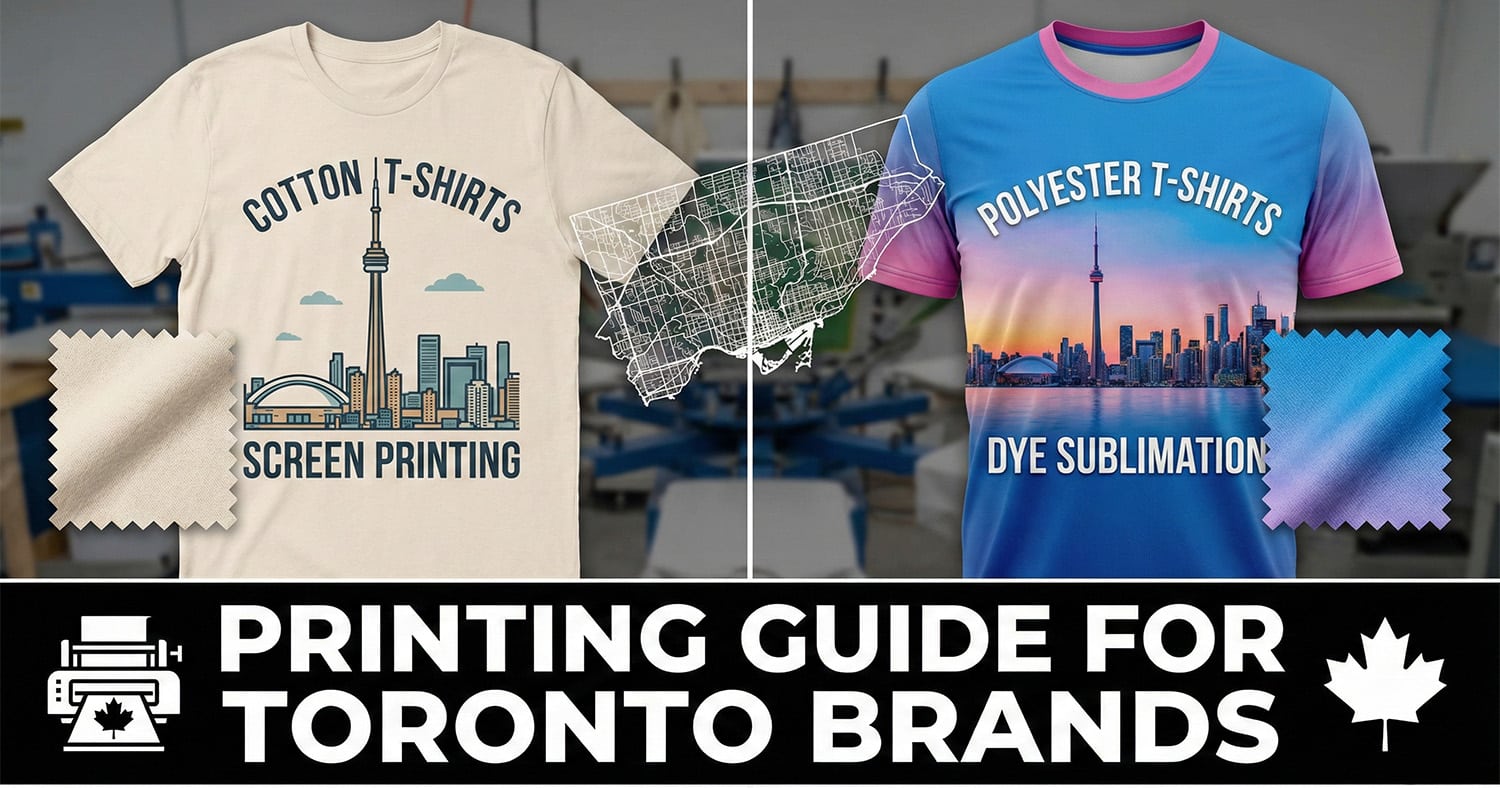
Choosing the right custom apparel is about more than just picking a color and slapping a logo on the chest. For business owners in Etobicoke, event planners in downtown Toronto, and sports league organizers in Mississauga, the decision often comes down to the fundamental composition of the fabric. The debate of Cotton vs Polyester T-Shirts for Printing is one of the most critical discussions we have with our clients.
Your choice of fabric dictates the printing method we use, the longevity of the print, the comfort of the wearer, and the overall perception of your brand. A mismatched fabric and print method can lead to peeling logos, faded colors, or uncomfortable shirts that end up in the back of a closet. At Branding Centres, we believe in educating our clients so you can make the investment that yields the highest return for your brand visibility.
In this extensive guide, we will dissect the molecular differences between these fibers, analyze how they react to different inks, and help you decide which material is perfect for your specific needs in the GTA market.
The Natural Contender: 100% Cotton
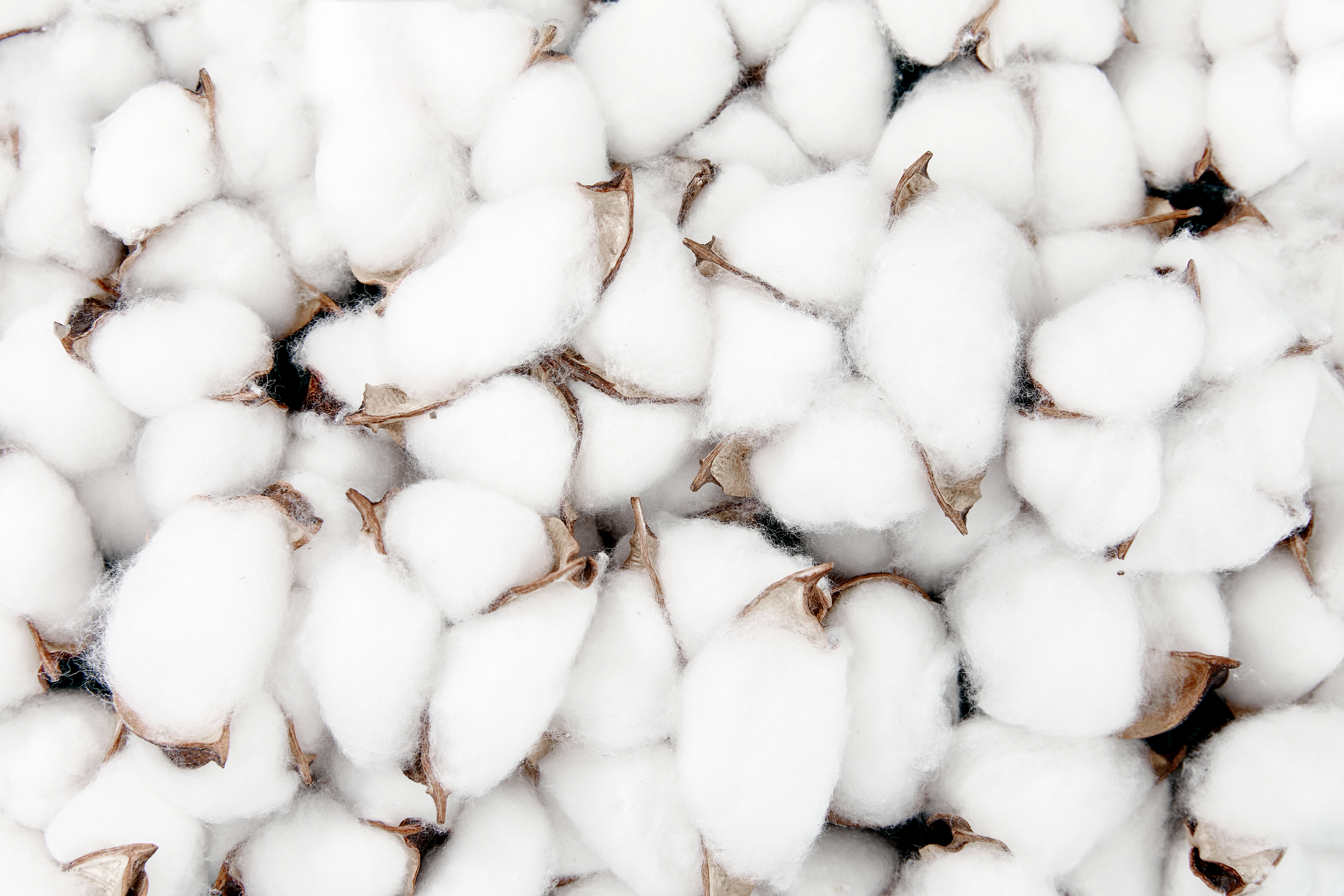
Cotton has been the gold standard for textiles for thousands of years. It is a natural cellulose fiber that is harvested, spun into yarn, and woven into fabric. When we talk about Cotton vs Polyester T-Shirts for Printing, cotton represents comfort, tradition, and print clarity.
The Science of Cotton Fibers
Cotton fibers are hollow and absorbent. This absorbency is what makes cotton feel cool against the skin; it absorbs moisture and allows it to evaporate. However, this same absorbency is what makes it unique in the printing world. Because the fibers soak up liquids, they are exceptionally receptive to water-based inks used in Direct-to-Garment (DTG) printing.
Varieties of Cotton
Not all cotton is created equal.
- Carded Open-End: This is a coarser, cheaper cotton often used for budget promotional giveaways. It has a rougher hand feel.
- Ring-Spun Cotton: This yarn is twisted and thinned to create a smoother, stronger, and softer strand. The smoother surface allows for significantly sharper print detail.
- Combed Cotton: This is the premium option where impurities and short fibers are combed out, leaving only the long, strong fibers. This provides the ultimate surface for high-definition printing.
Pros of Printing on Cotton
- Superior Detail with DTG: Because cotton absorbs water-based ink, Direct-to-Garment printers can lay down photographic levels of detail that won’t sit heavy on the shirt.
- Hypoallergenic: For brands in the wellness or education sectors in Ontario, cotton is often preferred as it rarely irritates sensitive skin.
- Vintage Aesthetic: Cotton tends to fade slightly over time, giving shirts a trendy, vintage look that is highly desirable for fashion brands in Queen West or Kensington Market.
Cons of Printing on Cotton
- Shrinkage: Natural fibers contract when exposed to high heat. Unless you buy pre-shrunk garments, a 100% cotton shirt can shrink by a size if dried improperly.
- Moisture Retention: While it absorbs sweat, it holds onto it. This makes heavy cotton shirts less ideal for high-intensity sports leagues in Vaughan or Brampton where players need to stay dry.
The Synthetic Powerhouse: 100% Polyester

On the other side of the ring is polyester. This is a synthetic polymer, essentially a plastic, that is melted down and extruded into fine fibers. In the battle of Cotton vs Polyester T-Shirts for Printing, polyester represents durability, vibrancy, and performance.
The Mechanics of Polyester
Unlike cotton, polyester is hydrophobic, meaning it repels water. Instead of soaking up sweat, it allows moisture to travel along the surface of the fiber to the exterior of the shirt where it can evaporate. This is the “moisture-wicking” property found in performance wear.
The Dye Migration Challenge
Printing on polyester requires expertise. When polyester is heated to high temperatures (required to cure screen printing ink), the dyes used to color the fabric can turn into a gas and rise to the surface. This is called dye migration. For example, if you print white ink on a red polyester shirt without the proper blockers, the red dye will migrate into the white ink, turning your logo pink. At Branding Centres, we utilize specialized low-bleed inks and grey under-bases to prevent this, ensuring your branding stays crisp and true to color.
Pros of Printing on Polyester
- Durability: Polyester is incredibly strong. It resists shrinking, stretching, and wrinkling. A polyester uniform will look the same after 50 washes as it did after the first.
- Vibrancy: Because the surface is smoother and less absorbent than cotton, plastisol inks sit on top of the fiber, resulting in bright, punchy colors that grab attention.
- Sublimation Compatibility: If you want all-over prints or designs that are infused into the fabric, you must use polyester. Sublimation dye only bonds with polymer molecules.
Cons of Printing on Polyester
- Heat Sensitivity: High heat can scorch the fabric or cause the dye migration mentioned above.
- Breathability Issues: While it wicks sweat, standard polyester weaves do not allow as much airflow as cotton, which can feel hotter in static environments.
The Perfect Compromise: Poly-Cotton Blends
Sometimes the best choice in Cotton vs Polyester T-Shirts for Printing is not choosing one or the other, but choosing both. Blends, such as the popular 50/50 blend or the ultra-soft Tri-Blend (Cotton, Polyester, and Rayon), offer a middle ground.
- The 50/50: You get the softness of cotton with the wrinkle resistance and strength of polyester. These are excellent workhorses for uniforms.
- The Tri-Blend: Rayon adds a silky drape. These creates a textured, “heathered” look that is incredibly popular for lifestyle brands and tech company merchandise in Toronto.
Matching the Method to the Material
At Branding Centres, we don’t just print; we engineer the print to the fabric. Here is how the material dictates the production method.
1. Direct-to-Garment (DTG)
Winner: 100% Cotton DTG printers operate like large office inkjet printers. They spray water-based ink onto the fabric. For the ink to bind, it needs to soak into a natural fiber. Printing DTG on polyester usually results in the ink washing right off or looking dull. For the sharpest, photo-realistic prints, we recommend a high-quality cotton garment.
2. Screen Printing
Winner: Tie (Depends on Ink) Screen printing is versatile.
- On Cotton: We can use water-based inks for a “soft hand” feel where you can barely feel the print.
- On Polyester: We use Plastisol inks with low-cure additives. The ink sits on top of the fabric, creating a durable, vibrant shield. It feels heavier but lasts longer.
3. Dye Sublimation
Winner: 100% Polyester This process turns ink into gas, which bonds with the plastic molecules of the polyester. It is physically impossible to sublimate onto 100% cotton because the dye has nothing to bond with and will wash out immediately. If you need a full-colour jersey for a soccer team in Etobicoke, polyester is your only option.
4. Heat Transfer Vinyl (HTV)
Winner: Both Vinyl sits on top of the fabric using an adhesive. It works well on both, though care must be taken with polyester to avoid “box marks” from the heat press.
Comparative Pricing and Value
When budgeting for your marketing campaign, understanding the cost implications of the base garment is vital. While we cannot provide dynamic daily pricing here, we can look at the relative value of high-end options available at Branding Centres to illustrate the investment level for premium goods.
For example, looking at our premium catalogue options:
- Men’s Cotton T-shirts: High-end bulk packages for premium cotton can be valued up to $150 CAD. This reflects a heavy-weight, ring-spun cotton that serves as a retail-ready merchandise piece.
- Women’s Cotton T-shirts: Specialized cuts and premium soft fabrics in bulk packages can be valued up to $320 CAD, reflecting the demand for fitted, high-quality corporate wear.
- Unisex Fleece Hoodie: For those colder Ontario months, premium fleece options are valued up to $210 CAD, offering a substantial garment that acts as a long-term billboard for your brand.
Investing in higher-quality base materials often lowers the “cost per impression” because the recipient keeps the shirt for years rather than using it as a rag after one wash.
Use Case Scenarios: What Should You Choose?
To help you decide on Cotton vs Polyester T-Shirts for Printing, let’s look at common scenarios we see here in the GTA.
Scenario A: The Corporate 5K Run
Recommendation: 100% Polyester or 50/50 Blend.
Participants will be sweating. A heavy cotton shirt will get wet and heavy. A moisture-wicking polyester shirt enhances their performance. Furthermore, polyester holds its color better under the sun.
Scenario B: The Fashion Brand Launch
Recommendation: Ring-Spun Cotton or Tri-Blend.
Fashion is about “hand feel.” Customers in Toronto retail shops buy with their hands first. A soft, vintage-feel cotton shirt or a trendy tri-blend conveys luxury and style.
Scenario C: Construction Workforce Uniforms
Recommendation: Heavyweight Cotton or 50/50 Blend.
Safety and durability are key. Cotton is breathable for hot summer days but heavier weights resist tearing. However, a 50/50 blend will resist shrinking when employees wash their uniforms in hot water, ensuring the team looks consistent.
Fabric Comparison Table
Here is a quick reference guide to help you compare the properties of these fabrics.
| Feature | 100% Cotton | 100% Polyester | 50/50 Blend |
| Breathability | High | Low (unless mesh) | Medium |
| Moisture Wicking | Low (Absorbs) | High (Wicks) | Medium |
| Shrinkage | High | Minimal | Low |
| Durability | Moderate | High | High |
| Texture | Soft, Natural | Smooth, Slick | Soft, Textured |
| Best Print Method | DTG, Water-Based Screen | Sublimation, Plastisol | Plastisol Screen, Vinyl |
| Wrinkle Resistance | Low | High | High |
Ready to Print Your Vision?
Choosing between Cotton vs Polyester T-Shirts for Printing doesn’t have to be a guessing game. At Branding Centres, we combine local market expertise with top-tier production capabilities to ensure your project is a success. Whether you need 50 cotton tees for a family reunion in Scarborough or 500 polyester jerseys for a league in Markham, we have the machinery and the know-how to deliver.
Don’t let a bad fabric choice ruin your branding. Contact us today to discuss your project, feel the fabrics in our showroom, and get a quote tailored to your exact needs.
Contact Branding Centres Today
- Phone: +1 (416) 288-8661
- Email: info@Brandingcentres.com
- Location: 24 Ronson Dr Unit #1, Etobicoke, ON M9W 1B4
- Service Areas: Toronto, Mississauga, Brampton, Vaughan, GTA, and across Canada.
Visit our showroom or browse our catalog online to start your custom project!
Frequently Asked Questions (FAQ)
-
Which fabric is cheaper, cotton or polyester?
Generally, standard cotton is the most affordable option. However, high-tech performance polyester and premium ring-spun cottons can both reach higher price points. Standard polyester usually sits slightly higher than standard cotton due to the manufacturing process.
-
Can you print vintage style designs on polyester?
It is difficult. Vintage “distressed” prints usually rely on the ink soaking into the fabric, which works best with water-based inks on cotton. Printing on polyester usually results in a shiny, solid layer of ink. For a vintage look on poly, we recommend a sublimation print on a light-colored poly shirt, or using a Tri-Blend.
-
Will my cotton shirts shrink if I order them from you?
All natural fibers shrink when exposed to heat. However, at Branding Centres, we source high-quality blanks that are often “pre-shrunk” to minimize this. We always recommend washing custom cotton apparel in cold water and hanging to dry to preserve both the fit and the print.
-
Why is my black polyester shirt print looking grey?
This is likely due to dye migration. If the white ink was not printed with a bleed blocker, the black dye from the shirt has seeped into the ink. We take precautions to prevent this, but it is a chemical reality of polyester.
-
Which fabric is better for the environment?
Cotton is a natural, biodegradable renewable resource. Polyester is a petroleum product and is not biodegradable, though recycled polyester (rPET) is becoming popular. For eco-conscious brands in Toronto, we recommend Organic Cotton.