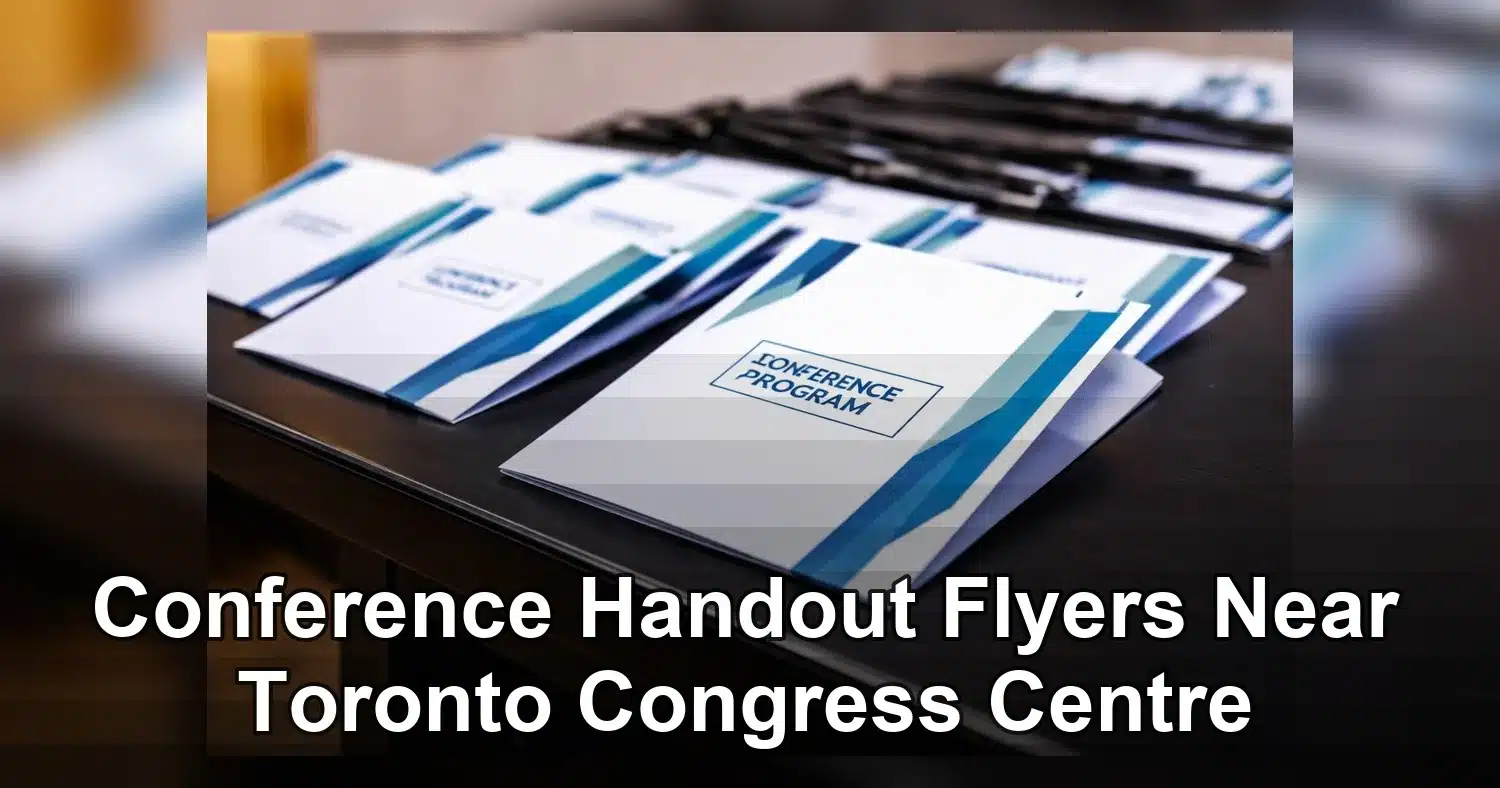
If you are sourcing conference handout flyers near toronto congress centre, the best choice is usually a simple, high-impact piece that attendees can understand in seconds and act on immediately. For booth traffic, demo bookings, session signups, or post-event follow-up, a flyer often works better than a full brochure because it is faster to print, easier to carry, and easier for busy attendees to keep.
Last updated: April 2026
Ready to print flyer printing?
Send your artwork, quantity, and deadline to Branding Centres. We will help confirm specs, turnaround, and the best production option.
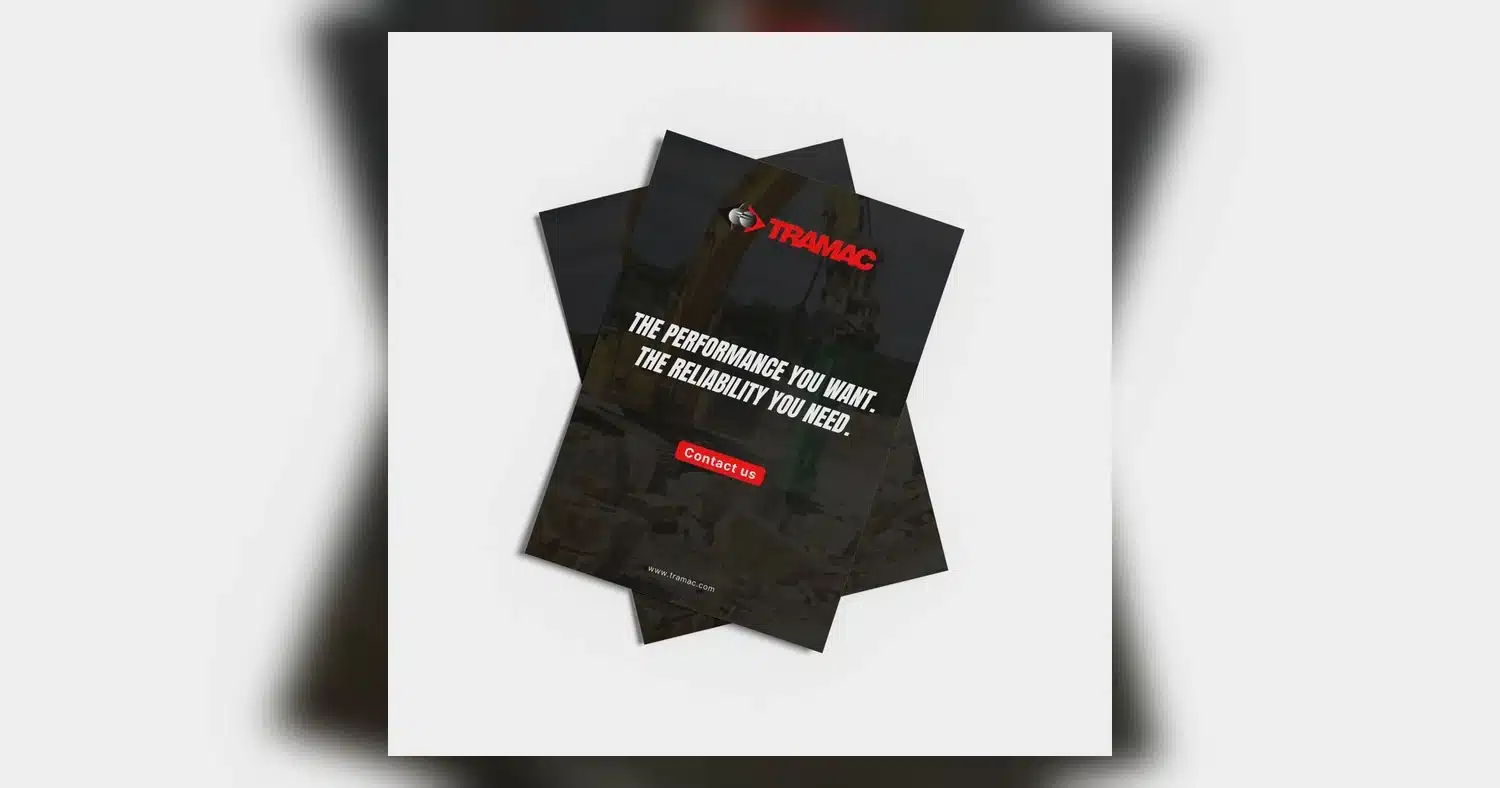
This guide helps you make the practical decisions before you request quotes: which size works best for handouts and welcome kits, which paper stocks balance readability with brand feel, and how to plan for rush timelines around Toronto event schedules. Last-minute print changes are common near major venues, so it helps to know what can be produced quickly without sacrificing quality. If you need handouts that are easy to distribute, easy to scan, and easy to reorder, the sections below will help you choose the right specs with less guesswork.
What conference handout flyers near toronto congress centre buyers should order
Conference handout flyers near toronto congress centre should be short, practical leave-behinds that help attendees remember your booth, register for a session, or take the next step after the event. The strongest flyer is not a mini brochure. It delivers one clear message, one or two actions, and enough brand detail for people to recognize you later without having to read a long page.
Use flyers when speed matters
Choose flyers when visitors are moving quickly past your booth, when you need to hand out information in batches, or when the offer is tied to a simple action such as scanning a QR code, booking a demo, or joining a session. Flyers are useful for registration tables, sponsor counters, reception desks, and crowded aisles at the Toronto Congress Centre where attendees may not stop long enough for a multi-page piece.
Choose brochures only when detail is essential
Brochures make more sense if the handout needs product specifications, multiple service lines, or a longer story. If your team mainly wants attendees to remember a date, a speaker, a booth number, or a follow-up link, a flyer is usually the better fit. It prints faster, packs more easily, and is less likely to be left behind in a hotel room or tote bag.
Match the handout to booth and follow-up goals
Before ordering, decide what the flyer should do after it leaves your hand. For booth traffic, use a headline that is visible from a few feet away and a simple call to action. For session signups, leave room for a QR code, event time, and one short benefit statement. For follow-up, include a single landing page, meeting link, or promo code that sales can reference later.
Local teams often pair flyers with conference flyer products that can be turned quickly and printed in the quantities needed for the event. If the handout is part of a larger package, align the flyer format with the rest of your event materials so everything feels coordinated on the table and in attendee bags.
For busy Toronto events, speed and clarity usually beat length. A simple flyer with a strong message is easier to distribute, easier to replace if quantities run low, and easier for attendees to use after the event.
Flyer specs that work at Toronto Congress Centre events
The best flyer specs for Toronto Congress Centre events are the ones that are easy to grab, easy to read, and easy to pack. For most conference handout flyers near toronto congress centre, standard sizes like 8.5 x 11 in. or 5.5 x 8.5 in. work well because they balance visibility with portability.
Size and orientation
Letter size is helpful when you want room for a speaker bio, program details, a map, or several callouts. Half-letter is better for quick offers, booth traffic, or attendee inserts that need to fit neatly into tote bags. Portrait orientation feels traditional and works for structured information. Landscape can feel more modern and is useful for schedules, comparison charts, or a larger QR code area.
Paper weight and print side
For most event handouts, 100 lb text or a similar midweight stock gives enough substance without feeling bulky. If staff will hand out the flyer repeatedly, a heavier stock can hold up better in pockets, folders, and bags. Single-sided printing is best when the front message must stand alone and stay simple. Double-sided printing is worth it when you need a call to action on one side and supporting details on the other.
Color, legibility, and packing
Use strong contrast and avoid crowding the layout with too many colors. Full color helps with brand recognition on a busy show floor, but high-impact design matters more than decorating every inch. If the flyer must fit inside a badge holder or welcome kit, test the dimensions before you approve the file. A slightly smaller trim size can prevent folding, curling, or wasted space in an event bag.
- Confirm the final trim size before print approval.
- Keep the main message readable from arm’s length.
- Reserve space for a QR code, booth number, or session time.
- Choose a format that matches how staff will hand it out.
When timing is tight, local printing can reduce risk and simplify reprints. It is also common for exhibitors to choose standard flyer specs first, then adjust finishes only after the layout is set.
What to put on the flyer so attendees take action
A flyer works best when the copy is built around a single action. If the goal is booth traffic, lead with a short headline and a reason to stop. If the goal is meeting bookings, make the contact path obvious. If the goal is session attendance, include the session title, time, room, and one sentence on why it matters.
Write for fast scanning
Attendees rarely read conference handouts line by line. They scan for a headline, a date, a location, and a next step. Keep the main headline short, use subheads to separate details, and avoid turning the flyer into a paragraph-heavy page. White space helps the message stand out and makes the piece feel easier to keep.
Place the call to action where it is easy to find
Put the most important action near the top or the bottom, depending on how your layout flows. For a booth handout, the CTA can be a QR code with a short line such as scan to book a demo or scan to get the slides. For a session flyer, the CTA might be register now, visit booth 214, or download the recap.
Use one proof point, not three or four
If the flyer needs credibility, pick one proof point that is easy to absorb quickly. That might be a stat, a client result, a speaker credential, or a single product benefit. Too many claims make the handout feel crowded, while one strong statement gives the design a sharper focus.
When the flyer is built around one action and one message, attendees are far more likely to keep it instead of tossing it into the first recycling bin they see on the way out.
Stock and finish comparison for event handouts
The right stock and finish should make the flyer easier to read, better aligned with your brand, and practical enough for event-day use. For conference handout flyers near toronto congress centre, the main decision is usually whether you want a clean, writable surface or a more polished, attention-grabbing finish.
| Stock or finish | Best for | Readability | Brand feel | Budget and turnaround |
|---|---|---|---|---|
| Uncoated | Session handouts, notes, forms, follow-up pieces | Very good, low glare, easy to write on | Simple, practical, professional | Usually economical and quick |
| Linen | Premium invitations, sponsor pieces, networking events | Good, though texture can soften fine detail | Elegant, tactile, more distinctive | Often mid-range, may need slightly more lead time |
| UV high gloss | Booth handouts, product promos, bold brand campaigns | Strong color pop, but more glare under lights | Glossy, high-energy, attention grabbing | Can be cost-effective, depending on run size |
| Matte or dull-coated | Presentations, premium corporate handouts, readable brand pieces | Very good, reduced shine, clean text contrast | Modern, polished, understated | Typically balanced for cost and production speed |
How to choose the right finish
Uncoated is the best choice when attendees need to jot notes, circle a booth number, or keep the piece in a binder. It also works well if you want a softer, more premium look without sacrificing a writable surface. Linen adds texture that can feel more upscale, but fine typography and small QR codes should be tested carefully because texture can affect crispness.
UV high gloss is useful when the goal is to stand out on a crowded floor and make color graphics look sharper. It suits product launches and promotional handouts, especially when the flyer is meant to be seen quickly rather than annotated. If the event materials need a softer, more restrained presentation, a matte finish usually supports readability better under bright hall lighting.
Budget and turnaround also matter. Uncoated stocks are often the most flexible for local printing deadlines, while specialty textures and coatings can add production steps. If you expect a reprint after the event or need to update a session time at the last minute, keep the finish simple so the job can move faster.
As a quick rule, choose:
- Uncoated for notes, forms, and high-volume handouts.
- Linen for premium networking pieces and invitation-style flyers.
- UV gloss for bold booth traffic and colorful promotions.
- Matte for readable, polished, all-purpose event handouts.
For teams comparing premium versus standard looks, the finish should support the message, not compete with it. If the flyer is meant to help staff start a conversation, readability should win. If it is meant to make a strong brand impression in a welcome kit, the finish can do more of the visual work.
Turnaround planning for rush orders and on-site pickup
Rush conference handouts near Toronto Congress Centre work best when the print schedule is built backward from the event time, not from the order time. Start with the pickup or delivery deadline, then allow time for artwork approval, production, trimming, and packing. For same-day or next-day needs, the fastest jobs are usually simple meeting flyers with one stock choice, standard sizing, and a final press-ready file.
Plan around the approval window
Most delays happen before printing begins. If your event team still needs stakeholder sign-off, reserve enough time for at least one proof round. A clean file can move quickly, but a revised proof can push production into the next day. For last-minute conference handout flyers, send one decision-maker the proof instead of routing it through a large approval chain.
Match the job to the turnaround you need
When the deadline is tight, choose specs that avoid extra setup. Standard sizes such as 8.5 x 11 in. or 5.5 x 8.5 in. are easier to produce than custom formats. Uncoated or matte stocks usually dry and finish cleanly for fast handling, while specialty coatings may add processing time. Simple specs save time when every hour counts.
Use pickup logistics to save time
If you are collecting from local printing near the Toronto Congress Centre, confirm the exact pickup time, contact name, and where the job will be held. Ask whether the order will be boxed or bagged, and whether you need a signature on collection. If a courier is delivering, give the venue address, loading instructions, event room, and a mobile number that will be answered onsite. This matters when conference staff are moving between halls, hotel rooms, and registration desks.
- Send print-ready files as early in the day as possible.
- Approve proofs immediately, ideally within the same hour.
- Keep one backup contact for pickup or delivery changes.
- Choose the simplest stock and finish that still fits the event.
- Label boxes by session, day, or room if multiple handout versions are needed.
What drives pricing for meeting flyers and conference handouts
The biggest pricing driver is quantity. Higher quantities usually lower the unit cost, but the total spend rises if you print more copies than the event actually needs. For conference handout flyers near toronto congress centre, it is often smarter to estimate by registration count, session attendance, or breakout room size rather than by a rough guess.
Core cost factors
- Size: Standard sizes are usually less expensive than custom dimensions.
- Stock: Heavier or specialty paper costs more than basic text stock.
- Finish: Uncoated, matte, linen, and gloss finishes change both price and handling.
- Color coverage: Full-bleed, photo-heavy designs use more ink than simple text layouts.
- Folding: Half-folds, tri-folds, and gate folds add setup and finishing time.
- Revisions: Extra proof rounds can add prepress labor before printing starts.
- Rush service: Same-day and next-day jobs usually carry a premium.
To control cost, choose the lightest stock that still feels credible, keep the layout efficient, and avoid custom folds unless they truly improve the message. If the handout only needs to prompt a single action, a simple flyer is usually the most economical format.
Color coverage also affects how the flyer is built. A one-sided agenda sheet with light branding prints differently from a dense, photo-led event handout. If your design uses heavy dark backgrounds, large images, or a lot of gradients, expect more careful press setup. Folding adds another layer, since a tri-fold meeting flyer needs scoring and alignment checks that a flat flyer does not.
For planning purposes, ask for quotes using the final quantity, exact dimensions, paper choice, and whether you need folding or delivery. That gives a more realistic number before the conference budget is locked.
File setup and proofing checklist before you send artwork
The safest file is a press-ready PDF with correct bleed, CMYK color, and all final copy locked before approval. That is especially important for conference handout flyers near toronto congress centre, where a missed phone number, broken QR code, or low-resolution image can turn into a costly reprint close to show time.
Preflight the artwork
- Bleed: Extend background images and colors past the trim line, usually 0.125 in. on each edge.
- Safe area: Keep text, logos, and QR codes inside a margin so they do not get trimmed.
- Color mode: Set files to CMYK, not RGB, to avoid unexpected color shifts.
- Image resolution: Use 300 dpi for photos and graphics intended for print.
- Fonts: Embed or outline fonts so typography does not change at output.
- QR codes: Test every code at a real size before you approve the proof.
Check the details that matter onsite
For event handouts, the contact details need to work under pressure. Verify the conference name, booth number, session title, date, website, and any call-to-action links. If the flyer will be picked up by attendees, make sure the QR code leads to a mobile-friendly page and that the destination is active before print approval.
Final proof steps
- Review the PDF at 100 percent zoom for typos, spacing, and image quality.
- Confirm all pages, folds, or sides are in the right order.
- Check that colors, logos, and legal text match the approved brand version.
- Approve only after one person has signed off on the final content.
- Save the approved file version so there is no confusion if a reprint is needed.
If you need a same-day turnaround, send the proof and approval in one message thread and keep responses short. Fast approvals reduce the chance of errors and help local printing stay on schedule.
How to choose a local printing partner near the venue
The best local printing partner is the one that can prove speed, answer quickly, show real quality, and make delivery near Toronto Congress Centre easy on event day.
Look for proof of rush reliability
Do not choose a shop based only on a promise of fast turnaround. Ask for proof points that matter to conference marketers:
- What is the cutoff time for same-day or next-day flyer production?
- Can they show recent examples of rush conference jobs?
- Do they offer digital proofs within 30 to 60 minutes for simple flyer orders?
- Can they handle reprints if quantities change after registration numbers shift?
Many vendors advertising local trade show printing in Toronto position their service around event deadlines, which is a useful sign when your handouts need to be ready close to load-in.
Test communication before you place the order
Fast communication is often a better predictor of a smooth job than the cheapest quote. Email or call with a specific question and measure how long it takes to get a clear answer. A strong local printing partner should confirm stock, quantity, trim size, and delivery timing without making you chase them.
If your team is coordinating from a hotel near the airport or from the Toronto Congress Centre area, ask whether one contact person will manage the order from proof approval through pickup or courier handoff.
Review real samples, not just screen proofs
For event handouts, print quality affects credibility. A printer that can show a full flyer product range, recent samples of uncoated flyers, and premium textured pieces is easier to trust than one that only sends digital mockups. Check color consistency, text sharpness, folding accuracy if applicable, and whether the stock feels appropriate for your audience.
Ask about the reprint policy and delivery options
Mistakes happen under conference timelines, so confirm what the printer will do if there is a trim error, color issue, or quantity shortfall. A reliable vendor should explain reprint terms in plain language, including who approves replacement timing and whether they prioritize event-deadline corrections.
Finally, make logistics simple. The best option is usually a printer that offers one or more of these:
- Counter pickup close to Toronto Congress Centre
- Local courier delivery to the venue, hotel, or office
- Scheduled morning drop-off before booth setup
- After-hours pickup by prior arrangement
If pickup or delivery feels vague during quoting, expect problems when the event clock is running.
Before placing your order, lock in your quantity based on expected booth traffic, choose a size attendees will actually keep, confirm stock and finish, and send press-ready artwork with bleed, QR codes, and contact details already checked. That short prep step can prevent rush fees, proof delays, and expensive reprints right before move-in. When the handout is clear, compact, and easy to distribute, it does more work for your team long after the show floor closes.
If you are ready to compare options, start with these flyer printing products, then request a quote with your size, quantity, stock preference, and required pickup or delivery window near Toronto Congress Centre. A reliable local print partner should be able to confirm turnaround clearly and help you choose the fastest, most practical format for your event.
Related Products and Services
If you are planning a similar project, these related options may help.
- Enviro Uncoated Flyers
- Linen Uncoated Flyers
- Uv (High Gloss
- Flyers
Helpful External Resources
These sources provide supporting background and additional context.
What size works best for conference handout flyers?
For conference handout flyers near Toronto Congress Centre, the most practical sizes are 5.5 x 8.5 in. and 8.5 x 11 in. Smaller formats are easy to hand out and tuck into bags, while letter size gives you more room for schedules, offers, and speaker details.
How fast can local printing turn around event handouts near Toronto Congress Centre?
Many local printers can turn around event handouts in 24 to 48 hours, with rush options sometimes available the same day or next day. Final timing depends on quantity, paper choice, finishing, and whether your files are already print ready.
Which paper stock is best for meeting flyers?
Most conference flyers print well on 100 lb text stock for a clean, professional feel. Matte and uncoated stocks are easier to write on, while gloss or UV coatings make photos and colors stand out more on a crowded show floor.
What should be included on a conference handout flyer?
Include the event name, date, time, venue, booth or room number, main message, contact details, QR code, and a clear call to action. Keep the layout simple so attendees can scan it quickly and understand what to do next.
How should I prepare files for flyer printing?
Send a press-ready PDF in CMYK at 300 dpi with 0.125 in. bleed and safe margins. Embed fonts, test every QR code, and double-check spelling, dates, and contact details before you approve the proof.
Get a Free Quote Today
Contact us at +1-(416) 288-8661 or Email us at info@Brandingcentres.com and let's get started.